What are the frequently asked questions about Infertility?
There are many questions arises in the mind of couples who were unable to conceive a baby after having unprotected intercourse for more than a year and these question can be:
Are Women are the Only Cause of Infertility?
It’s a myth that only the women are responsible for the cause of infertility. Infertility is a medical problem that affects both men and women equally. According to the study, around 35% of infertility occurs due to a female factor, around 35% is due to a male factor and in rest, 30% both men and women are dealing with the cause of infertility or sometimes the cause of infertility cannot be explained.
What Causes Infertility in Men?
Infertility in men caused by the following:
Unhealthy or poor functioning of man’s sperm which includes the quality of the man’s sperm.
Low sperm count which can be due to an enlarged vein inside which loses the skin that surrounds a man’s testicles.
Hormone imbalance.
The tube which carries man’s sperms is blockages can cause infertility.
Cancerous or non-cancerous growths.
The quality of man’s sperm can also be affected due to a bacterial infection inside the man’s testicles which can also be a sexually transmitted infection (STI).
Genetic disorders.
Consumption of alcohol, drugs, and smokes.
Radiation and X-rays.
If previously man had any surgery like vasectomy which is a procedure for preventing the sperms from leaving the testicles.
Medicines, especially those treating cancer, fungus, and ulcers.
What Causes Infertility in Women?
The following are the causes of infertility in women and these are:
The women who have problems with her reproductive system such as blocked or damaged fallopian tubes, the abnormal opening of the cervix, cancerous or noncancerous growths in the uterus, enlarged ovaries etc.
A process in which the women egg is collected from her ovary and mix with her partner’s sperm to facilitate fertilization but there are some women who face difficulties while ovulating every month and pregnancy is a challenge for them.
Disease and disorders which include endometriosis. Endometriosis is a disease or disorder in which women face challenges as her uterine tissue will grow outside her uterus where she has enlarged ovaries which contain fluid-filled sacs.
It is difficult for older women to get pregnant as her fertility decrease with increased age.
The women whose menopause stopped before the age of 40 years face challenges to get pregnant and also they face problems like immune system disease, cancer treatments, or a genetic syndrome.
If women had cancer treatments such as radiotherapy and chemotherapy etc. can affect her fertility.
Medicines, especially those treating cancer, fungus, and ulcers.
Consumption of smoke, alcohol or any other drugs can make it difficult for women to get pregnant.
An absence of a monthly cycle can also affect the woman’s fertility.
Body weight of women can also cause infertility. According to the study, too much or too little exercise can affect a woman’s chances of getting pregnant. So, the fertility experts at Fertility Center Nepal suggest the women maintain the ideal weight according to her body mass index (BMI) to achieve the successful results of pregnancy.
How do Women Age Affect her Fertility?
According to the study, women who are in their age of twenties are more fertile and their fertility gradually a start declining in ’30s and after the age of 35 it becomes difficult for them to conceive a baby naturally. The women get frustrated as they are not able to conceive after the age of 35 years, however, there are few women who still able to conceive a baby in their 30’s naturally. But if we see overall there are 90% of the women facing difficulties in their mid to late thirties as compared to the women who are having children during their mid to late twenties. The need for fertility assistance is even more common among women who have reached their forties.
For male members, the age does not play a significant role because men continue to produce their sperms throughout their reproductive lives, whereas women are born with all of the eggs they will ever have. So, the age of women has a high impact for not conceiving a baby as compared to men’s age.
How Will I Know that I Need Fertility Treatment?
The couples after their marriage get curious that how long it can take for them to conceive a baby when they want to have a child. For most of the couples, the fertility experts at Fertility Center Nepal will recommend them to try conceiving a baby naturally for one full year before seeking any medical assistance. If still the couples are not able to achieve the successful results they need to meet their fertility expert who will suggest them some tests and medicines to be taken for several months and it has been found that the couples who are physically and mentally fit can easily achieve the successful results and it is important to try to be patient and realize that, in the majority of cases, there is absolutely nothing to be worried about.
However, still, you face difficulties in conceiving a baby naturally then you need to visit Fertility Center Nepal and get your fertility test and on the basis of your medical reports, the fertility expert at Fertility Center Nepal will suggest the best fertility treatment to fulfill your dream of having an own baby.
What Fertility Tests are Recommended by Fertility Experts?
The fertility experts at Fertility Center Nepal will suggest the following testing and these are:
The fertility expert will suggest the blood tests to check your reproductive hormone levels estradiol (E2), progesterone, follicle stimulating hormone (FSH), luteinizing hormone (LH), thyroid hormone, prolactin etc. and she also suggests the male hormone levels test.
He/she will ask the male member to have a complete semen analysis.
An ultrasound scan will be conducted to confirm the normal appearance of the uterus and ovaries in the woman.
To evaluate the woman’s fallopian tubes are opened or not they will conduct an x-ray or a Sonohysterogram.
How Couples can Identify Whether they are Fertile or Infertile?
It has been found that the couples who have been trying to get pregnant without any medications or have experienced several miscarriages then this is a sign that one of you or both of you may be infertile. This can be very stressful for couples, so it is important to know what stops you getting pregnant.
What are the risks factors that affecting women fertility?
The following are some risks factors that affect the women fertilityand these are:
a) Age of women: The more you grow older the less are the chances of conceiving a baby. This is because the eggs in your ovaries start decreasing with increased age. In addition to that, various other medical disorders that come with progressing age can further affect your chances of having a baby. Generally, the women chances of conception will be reduced by 3 to 7% every year after the age of 30 and there will be a higher reduction after the age of 40.
b) Monitor menstrual problems: Your abnormal period could be a sign of infertility. So in that case you need to monitor the amount of bleeding you experience during every period, the length of the bleeding, the normal cycle you have, etc. are the symptoms that accompany your period. A regular period is that occurs on the days you expect it to come, and you have bleeding for only three to seven days. The signs like menstruating a lot, too little or a bleeding variation, etc. are the signs of an irregular period. Experiencing severe menstrual cramps should be considered an abnormality.
c) Body weight and skin changes: Your unexplained weight gain can be a cause of infertility and you may experience several health issues which include polycystic ovarian syndrome, type-2 diabetes, or hypothyroidism (it is a decreased functioning of the thyroid gland). Women who deal with polycystic ovaries and type-2 diabetes also noticed some skin changes.
Your body weight more than your body mass index (BMI) will reduce your chances of getting pregnant.
Increase in facial hair, oily skin, acne and skin tags which might be developed from dark brown to black and raised skin patches on the face, neck, underarms, back and below the breasts.
d) Medical disorders: Other medical disorders may also affect your chances of becoming pregnant. There are chances that your body produce some anti-sperm antibodies which damage the men sperm due to which you are unable to get pregnant. There are several conditions that can lead to infertility and these are type-2diabetes, hypertension, hyperthyroidism, pituitary tumors, tuberculosis, anemia, folic acid deficiencies, cancers, history of abdominal or pelvic surgery, etc. can affect your fallopian tubes.
e) Unhealthy lifestyle: Smoking cigarettes, consumption of alcohol, etc. can lead to hormonal imbalances in women and affect her fertility. It could also cause miscarriages, fetal birth defects, and premature birth. If you are a smoker then you need to quit smoking as it cause of your fertility.
f) Infections: It has been found that infections may cause infertility. These infections may results in blockage of your fallopian tubes, affect your egg production, and also cause the sperm to become unable to impregnate your eggs. The bacterial infections may change your cervical mucus consistency which can lead to infertility. There are various other infections that reduce your chances of becoming pregnant which include pelvic inflammatory disease, infections in your ovaries, infection in your fallopian tubes or uterus.
What are the risks factors that affecting men fertility?
The following are some risks factors that affect the men fertility and these are:
a) Abnormal ejaculation and sperm count: Your abnormal ejaculation would result in low sperm count or total absence of sperm in your semen. This abnormal ejaculations and unhealthy sperms can result in infertility and this is generally due to an arising issue in your seminal vesicles which produce the sperms and hormonal imbalances. Your enlarged testicular veins or varicocele can lead to abnormal sperm development and this will result in around 30% of infertility cases in men.
b) Monitor erectile dysfunction: Erectile dysfunction is another name of impotence and this is a cause which affects around half of the male population across the world. It can be a result of psychological factors or inherent medical disorders. According to the study around 70 to 80% of erectile dysfunctions are due to medical causes. Some of the common causes are stress, guilt, hypertension, heart disease, hormonal imbalance, pelvic surgery, etc.
c) Medical condition: According to the study there are various underlying medical conditions which can affect your hormone levels and can also affect your sperm count which increases the chances of infertility. These conditions could be anemia, type-2 diabetes, hypertension, congenital adrenal hyperplasia, pituitary disorders, hypothyroidism, testicular torsion, hydrocele, obesity etc.
d) Infections: The study says that there are various infections that can be a cause of male infertility and these are tuberculosis, mumps, brucellosis, influenza, etc. The sexually transmitted disease (STD) such as gonorrhea, chlamydia, etc. can be a reason for low sperm count and sperm motility. Some STDs are the disease that can lead to blocking of the male epididymis which transports the sperms to the seminal fluid and can lead to infertility.
e) Unhealthy lifestyle: It has been found that there are some of the few lifestyle choices and habits which can lead to decreased sperm count and these are:
Unhealthy eating habits, such as junk food, packed food, lacking in zinc, vitamin C and iron, etc. can affect your sperm count.
If you wear tight underwear can also lower your sperm count by increasing the scrotal temperature.
Smoking cigarette and excessive consumption of alcohol can lead to hormonal imbalances which result in low sperm counts and infertility.
An excess amount of stress at your work or at home can also affect your sperm count and hormonal balance.
Excess consumption of steroids also results in infertility from testicular shrinkage and extreme or heavy exercises may also lead to infertility in men.
A woman is born with all the eggs she is going to have in her lifetime. The age of women eggs gets decrease with her increased age. This is the reason that age is an important factor which affects women fertility. According to the study, good health of the women can improve the chance of her to get pregnant and having a healthy baby, however, it does not override the effects of age on the woman’s fertility.
Earlier the women who are in their early to mid-20s have around 65 to 75% of chances of getting pregnant every month but now with the change in scenarios women are busy with their careers, prefer late marriages etc. due to which they start planning the baby in their mid-30’s where generally women fertility starts declining and the decline speeds up after the age of 35. By age 40, the chance of women to get pregnant in any monthly cycle is dipped down to around 20 to 25%.
Generally, people have a misconception that IVF treatment can overcome age-related infertility in women; however, the increased age of women also affects chances of success with IVF. It has been found that the chance of a live birth resulting from one IVF cycle for women of different ages varies from each other. At Fertility Center Nepal, we have fertility experts who make the pregnancy possible for the women above the age of 40 years in one IVF cycle and there are some women who are under the age of 35 have gone through more than 2 IVF cycles to achieve the pregnancy.
The fertility experts at Fertility Center Nepal advice the older women to use the donated eggs from young, healthy and fertile women to increase her chances of pregnancy.
How long it takes a woman to get pregnant depending on her age?
The study says that 8 out of 10 of couples where the women are under the age of 40 years will get pregnant naturally within a year of having regular unprotected sex for every 2 to 3 days.
It has been found that the couples who are having regular unprotected sex:
Around 7 out of 10 women at the age of 30 years will conceive a baby within one year.
Around 5 out of 10 women at the age of 35 years will conceive a baby within one year.
Around 3 out of 10 women at the age of 40 years will conceive a baby within one year.
The fertility experts at Fertility Center Nepal says that there are several other causes for fertility problems, but sometimes we are unable to find the exact cause and this is known as unexplained infertility. Unexplained infertility is rare when the woman is in her 20s but becomes the most common cause of infertility in women over 35 years of age.
At Fertility Center Nepal we have treatments like IVF (in vitro fertilization) which help the women who are facing difficulties in conceiving a baby. It is important for you to meet your gynecologist if you haven’t conceived after a year of trying or within six months of trying to conceive if you are over 36 years.
If you are dealing with any other health concerns related to your fertility for e.g. endometriosis, polycystic ovary syndrome (PCOS) or thyroid problems, etc. then you should consult your doctor at an early stage when you found the symptoms.
It is important to know for everyone that age is not the only thing that affects your fertility, other things like smoking, alcohol, use of other drugs, obesity and sexually transmitted diseases, etc. can also impact your ability to get pregnant.
If you are not ready in your mid-20’s to conceive a baby and thinking about having a baby later in your life then try not to get too stressed as it impacts the age of your fertility.
What if the male partner is older?
According to the study, men’s age also affects the ability to have a baby as it declines with age, but not as much as women’s.
It has been found that it becomes difficult to get pregnant for a woman if the age of the male partner is above 40 and female age is also over 40 years.
Other reasons why older men may have less chance of pregnancy are as follows:
Poor quality or low quality of sperm
Abnormal shape of sperm
The lower level of male sex hormones
Less interest in sex
How does the age of women affect pregnancy?
It has been found that most women over the ideal age of childbearing have healthy pregnancies and babies; however, complications in pregnancy such as miscarriage also increase with their increased age.
The rate of miscarriage occurs in women around:
1 out of 10 pregnancies in women younger than the age of 30 years.
2 out of 10 pregnancies in women between the age group of 35 to 39.
4 out of 10 pregnancies in women older than the age of 45 years.
Women who are over the age of 40 years are at higher risk of problems in pregnancy which includes the following:
Diabetes and high blood pressure
Having twins or more create complications
Stillbirth
Cesarean section or longer labor pain
Baby with Down’s syndrome
Pre-eclampsia this is a very dangerous condition for baby and mother both.
What women do to make her healthy late pregnancy?
The following are the things that you should keep in your mind before you plan to have a baby and these are:
Maintain your ideal body weight and it should not be more or less than your body mass index (BMI).
Stop smoking
Do regular physical activities
Eat a healthy and proper diet
Take folic acid for at least 2 months before conception
Reduce the intake of caffeine
Avoid alcohol or illegal drugs
Speak to your fertility expert about any existing medical problem
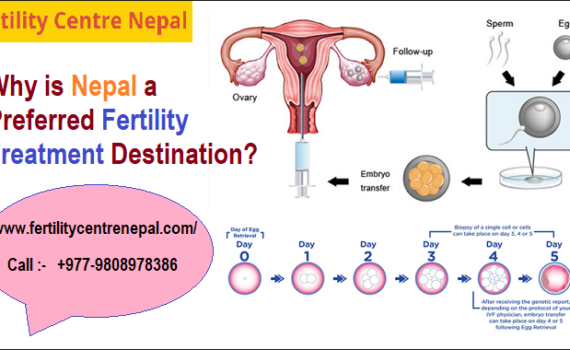
Why is Nepal a preferred Fertility Treatment Destination?
The people across the globe prefer to visit Nepal for their fertility treatment because it is a country where the fertility experts fulfill the dream of the sterile couple possible. IVF is one of the best fertility treatments which have come with an intention to transform the impossibilities into the possibilities. IVF treatment also includes procedures like ICSI and IUI. ICSI is one of the best procedures which are usually performed to treat infertility in men. This is a procedure where the fertility expert will inject the men sperm directly into women egg to achieve successful conception. Similarly, IUI is a treatment in which the fertility expert will directly inseminate the sperms into the uterus. IVF treatment is performed to enhance the fertility for both male and female. Nepal is a country where surrogacy is also an IVF based procedure which is usually performed for the women who are unable to carry the baby in their own womb due to some medical illness.
There are some other reasons as well that people
from other developed countries prefer Nepal as their fertility treatment
destination and these are as follows:
a) Cost: Cost is one of the major reason which attracts the attention of many people from other developed countries to visit Nepal as the cost of the fertility treatment in Nepal is one-third of the cost which the people are paying in the countries like the USA, UK, Australia, Russia, Canada, etc.
b) Success Rates: Success rates of fertility treatment are also very high as compared to the success rates of the other developed countries by performing the same fertility treatment. For e.g. the success rates of IVF in Nepal around 70 to 80%, whereas the same procedure success rates in other developed countries vary between 30 to 45%.
c) Environment:
The environment at the Fertility Center Nepal is
pleasant and comfortable which give the positive energy to the couples and this
will help them in achieving the successful results of the fertility treatment.
d) Behavior: The behavior of the fertility experts at the Fertility Center Nepal is very polite and they treat each individual as their own family member and also examine them properly for the exact cause of infertility which the couples not found in the developed countries like the USA, UK, Russia, Canada, etc.
e) Time:
The fertility expert in Nepal value for your time and
they do not waste your time on unnecessary tests or scans. They will conduct
only those tests or scans which is necessary for the treatment to give a
successful outcome.
How IVF in Nepal has
gained the lost hope of the infertile couples?
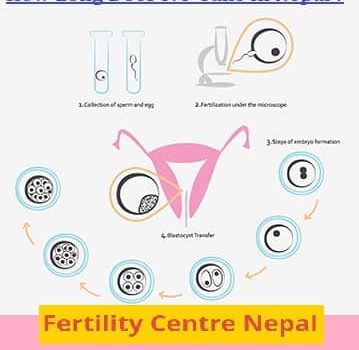
IVF is a treatment which consists of 7
major steps to achieve a successful pregnancy and these are as follows:
a) Suppressing: The fertility expert will give you some fertility drugs through which your monthly cycle gets suppressed and this drug will continue for about two weeks.
b) Egg boosting:
The fertility expert will give you the human chorionic
gonadotropin (HCG). This injection will help in increasing the supply of your
eggs and your fertility expert will continue the injection for about 12 days.
c) Monitoring:
The fertility expert will continuously monitor the
progress of your ovaries by conducting blood tests or ultrasound scans. Once
the tests and scan are completed they will give the human chorionic
gonadotropin (HCG) injection which needs to be trigger between 34 and 38 hours
to mature the eggs before they are ready to be collected from your uterus.
d) Egg collection:
The fertility expert will collect the eggs from your
ovaries by using a hollow needle which is attached to the ultrasound probe.
After the eggs are collected your fertility expert will send them to IVF lab
for fertilization. During the egg collection, you might experience mild
discomfort or pain; the same will be relieved by some pain killer medications
as prescribed by your fertility expert.
e) Egg Fertilization: Your fertility expert will mix the
collected eggs with the sperm of your partner or donor sperm to make an embryo
and they keep that embryo under laboratory for about 16 to 20 hours where the
experts in laboratory will check the growth of your eggs and identify that
whether the eggs are ready for fertilization or not. Once your eggs are ready
your embryologist will choose the best embryo to transfer into your uterus.
f) Embryo transfer: This is the important and very crucial
step where your skilled embryologist will transfer the best-selected embryo
into your uterus and will wait for the symptoms of pregnancy to occur.
g) Pregnancy test: This is the last and final step of the IVF procedure which will be conducted at the Fertility Center Nepal after two weeks of the embryo transfer. If the results of the treatment are positive then your pregnancy will grow as normal and you will be handed to a gynecologist who will be with you until the baby delivers, however, in case the results are not positive then you need not to worry as you can repeat your IVF cycle or you can opt for the other fertility treatment to fulfill your dream of having an own baby.
Summarization that why
only Nepal for fertility treatments
Nepal is a country which offers a reasonable fertility treatment and now it has become the most favored destination for all the people across the globe as they not only offer the reasonable treatment but also a treatment where the fertility experts in Nepal does not compromise the quality of the treatment. They use the equipment that has been purchased from the international market to deliver the highest success rates and in a very short period of time, Nepal has achieved the award for providing the best and reasonable treatment across the globe.
The people for whom having an own baby was a dream only that has been fulfilled by the fertility experts at the Fertility Center Nepal where they properly examine each individual and find the exact cause which is stopping them to enjoy their parenthood. Once the cause has been identified the same will be treated by using the best fertility treatment in Nepal.
IVF is a procedure in Nepal which takes about 6 to 8 weeks to complete one cycle.
You need to wait for a few weeks so that
your egg gets mature. Then you and your husband need to stay for at least half
of the day at the Fertility Center Nepal for your egg retrieval and
fertilization process. You need to visit the clinic again three to five days
later to have the embryos inserted into your uterus and you will be able to go
home that same day.
How does the IVF procedure work in
Nepal?
The IVF procedure involves the following
steps to complete one IVF cycle:
Week 1:
a) Initial consultation: In your first meeting with the clinic, the clinical staff will obtain an extensive medical history of you and your husband, and they will answer to your all questions or concerns you may have at this stage. This is a stage where you can freely ask any questions without any hesitation. You feel well-informed and comfortable before you commit to IVF treatment In Nepal.
b) Clinical consultation: This is an appointment with your clinical coordinator who will
review your diagnosis and accordingly plan the best treatment for you. Your IVF
expert will also help you in learning how to self-administer the medications which
are used in an IVF cycle and accordingly will schedule your key procedures.
c) Consultation on financial aspects: At Fertility Center Nepal we have good counsellors who will provide
the best guidance which is one way to help minimize some stress. This
consultation is provided so that you can review your options for insurance
coverage. If IVF is not covered then the consultant will help you with many
other flexible options to explore, including IVF financing.
Week 2 to 4:
Here your procedure for IVF will begin:
a) Pre-treatment preparation for IVF: Your fertility expert will recommend some comprehensive lab tests
which will give the clear picture of your fertility. The following are some
common pre-IVF tests:
•
Ultrasounds
•
A blood tests
• Uterine evaluation
•
Screening for infectious diseases such as AIDS or Hepatitis B
•
Male fertility tests which include a sperm analysis
b) Start birth controlling pills: The next step followed by your clinical staff is to regulate your
menstrual cycle and prepare your ovaries. Your fertility expert will ask you to
take birth control pills for 2 to 4 weeks after testing and diagnosis and this
mainly depends on the length of your cycle.
Week 5 to 6:
Monitoring and medication will take place during this period:
a) Consumption of fertility drugs: Your fertility expert will give you some oral fertility medications
like Clomid, injectable follicle stimulation hormones such as Follistim and
Gonal-F, etc. are used to stimulate the ovaries so that you will be able to
produce more mature and healthy eggs in one normal cycle. With the help of
fertility drugs, you will be able to produce at least 4 eggs to process a
successful outcome.
b) Monitoring: With
the help of ultrasounds and blood tests your fertility expert will be able to
monitor the development and the growth of your follicles and eggs. This is the
most time-taken part of the IVF process which requires at least 5 to 7 office
visits.
Week 7 to 8
During this period your egg will be
retrieved, triggered and fertilized:
a) Egg retrieval: This is a day procedure which will be performed under local
anesthesia. Your fertility expert will collect the eggs from your ovaries by
using the hollow needle which will be easily inserted through the cervix into
your uterus. If you are going through IVF you’re your partner then he needs to
provide his semen specimen which will be collected on the same day as your egg
retrieval or the sperm could be frozen before.
b) Combining of egg and sperm in the lab: Once the successful fertilization takes place and embryos are
developed then there are several options which can be used at this stage to
increase the chances of a successful pregnancy and these are:
• Assisted hatching: This is a procedure in which a tiny hole is made in an embryo’s
outer membrane which is known as the zona pellucida and it will increase the
rate of implantation after transfer.
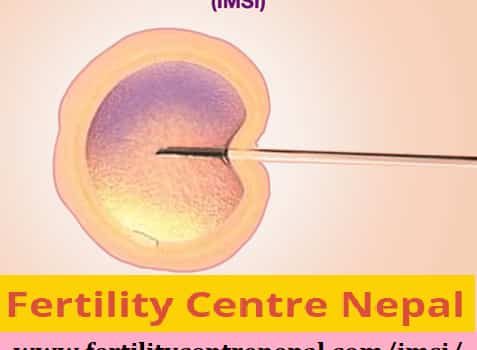
• Intracytoplasmic sperm injection (ICSI): This is one of the best options when male infertility is a factor.
In this procedure, your fertility expert at Fertility Center Nepal will inject
a single healthy sperm directly into an egg.
• Preimplantation genetic screening (PGS) or
Preimplantation genetic diagnosis (PGD): This is a
procedure which ensures that only healthy embryos are transferred because
genetic abnormal embryos can lead to the cause of miscarriage. Usually, this
testing is helpful in cases of recurrent pregnancy loss.
c) Embryo Transfer: This is the final step of the IVF procedure in which your fertility
expert will transfer the best-chosen embryo into the uterus via a thin,
flexible plastic tube, which is gently passed through the opening in the cervix
leading to the interior of the uterus. This procedure is a painless procedure
but in there are some women who may experience mild cramping which will be
taken care through medications.
What after the IVF procedure?
Once the IVF procedure is completed, your
fertility expert at Fertility Center Nepal will recommend you to take a
progesterone supplement which helps in supporting the uterine lining and
encourage implantation. Also, after two weeks of embryo transfer, you need to
visit the center again for the pregnancy test. If the results are positive then
you will be handed-over to OB gynecologist for care, but in case your results
are not positive then you can repeat the IVF cycle or can opt for other
assisted reproductive treatments to fulfill your dream of having an own baby.
Success Rates of IVF
Success rates of IVF Treatment in Nepal performed at Fertility Center Nepal are around 70 to 80% but it depends on the age and the reason for infertility. According to the study, younger women usually have healthier eggs and higher success rates as compared to older women.
Which is the Best Center in Nepal for IMSI Treatment?
The Fertility Center Nepal is the best
center for IMSI treatment because of it a center which has enhanced the
possibility to achieve pregnancy when ICSI treatment failed to provide the
successful outcome. The fertility expert will suggest IMSI treatment in Nepal
to those individuals who are dealing with the following:
•
The quality of sperm is decreased which is released by a male member.
•
The increased proportion of construction of sperm releasing is very
uncommon.
•
Unsuccessful ICSI treatment.
Why IMSI treatment is
performed?
IMSI is a treatment which is performed to
improve the chance of male fertility. This procedure also helps in having
normal embryo development. If you compare the traditional method of selecting
sperm and assessing it, you will find IMSI is a much better procedure which
uses lab tools to select sperm.
How does IMSI procedure
works?
IMSI is a procedure in which the surgeon at
Fertility Center Nepal uses a microscope with high power light which enhanced
by digital imaging and this technique will help your embryologist to magnify
the sample of sperm more than 6,000 times. With the help of this magnify
instrument your embryologist will able to detect the problems which they are
unable to identify through a normal microscope. Your embryologist will now
select the sperm which is normal in shape and have the highest level of
mobility.
IMSI is a procedure which is similar to
ICSI. In this procedure also your fertility expert will give to some fertility
drugs to your wife to stimulate the ovaries so that she will be able to produce
more mature and healthy eggs for fertilization. Once the eggs are grown to
17-22mm in your wife ovaries, the fertility expert will collect her eggs and
will give her a hormone injection of human chorionic gonadotropin (hCG) which
will be given to her around 36 to 38 hours before the egg are collected.
The fertility expert will perform IMSI
procedure under general anesthesia and she will collect the eggs from your
wife’s ovaries by using ultrasound-guided vaginal probe through which she
locates the follicles and aspirates its contents. After this procedure, the
fertility expert will place the women eggs in a culture dish in the IVF
laboratory and then the embryologist will inject a single sperm very carefully
into each egg of women to facilitate fertilization.
To whom IMSI treatment
is recommended
The fertility experts will recommend the IMSI Treatment to those couples who have previously failed IVF cycles, or for the couples where male infertility is an issue which is stopping a fertile woman to get pregnant. IMSI treatment is little expensive as compared to traditional IVF treatment, however, if you compared the IMSI treatment cost in Nepal with other developed countries than you will find that Nepal is the reasonable country to have IMSI treatment with highest success rates. Till date, the success rate of IMSI treatment at Fertility Center Nepal is around 70 to 80% which is quite higher as compared to other developed countries like the USA, UK, Australia, Russia, etc.
Benefits of having IMSI
treatment
IMSI is a treatment which is beneficial for
the couples with the unexplained cause of infertility. This is a treatment in which
your fertility expert will a healthy sperm by using the high power
magnification instrument which gives 6,000 times to magnify the sperm sample
and bypasses all defects which are decreasing the chances of a successful
pregnancy. Also, IMSI is a treatment which provides benefits to those couples
who had failed IVF with ICSI treatment and not able to achieve their goal of a
successful pregnancy.
Is there any risk of
IMSI treatment?
As we all know, that every surgical
procedure is associated with some of the risks, the same goes with the IMSI
Treatment as well it is also associated with some risk factors such as there
can be higher chances of multiple pregnancies in IMSI treatment as compared to
ICSI treatment. It has been found that IMSI is a treatment which is little
expensive than ICSI because while performing IMSI procedure the fertility
expert use the expensive state-of-the-art equipment and they also need
specialized training to perform IMSI procedure.
Is IMSI treatment is
useful for all?
It has been found that IMSI is a promising treatment in terms of improving the outcome of ICSI treatments. The people need to agree that high magnification which has been achieved by IMSI treatment contributes with a better evaluation of the aspirated sperm cell for the injection which provides the encouraging results. On the other hand, special instrumentation, prolonged sperm manipulation and the embryologists who are highly qualified and trained professionals to perform IMSI treatment will increase the cost-effectiveness of the procedure. Taking all the above-mentioned points into consideration, your fertility expert will provide you with the best counseling which helps you in undergoing for IMSI treatment and for a better chance to conceive a baby.
Cost of IMSI treatment
in Nepal
It has been found that the cost of IMSI treatment in Nepal is quite expensive as they use the special state-of-art equipment to perform IMSI treatment and there is some of the cost of ICSI treatment is also added while performing IMSI. IMSI is a treatment which is performed by highly skilled and experienced fertility experts. This is also the reason that the cost of IMSI is little expensive than ICSI treatment, but if you compare the cost of IMSI treatment in Nepal with other developed countries like the USA, UK, Australia, Russia, Canada, etc. then you will find Nepal is a reasonable and affordable country for IMSI treatment. Nepal is a country which is a very peaceful place and the Fertility Center Nepal is a center where you will find the positive energy around you and also you will find that your hope of having baby turning into reality.
Nowadays, Nepal has become the most favored destination for the people across the world because of reasonable IMSI treatment in Nepal as compared to other developed countries and the highest success rates for taking the baby home.
In the Quest for the Best Fertility Centre for IUI Treatment in Nepal
Top-quality IUI treatment in Nepal
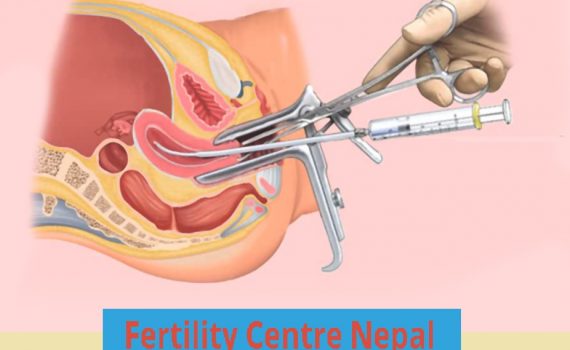
IUI treatment in Nepal is a fertility treatment performed for curing the problem of infertility. Infertility is a problem in which couples fail at achieving conception even after trying to conceive for about six months to a year. It is a primary ART method for treating less severe cases of infertility. It is an immediate fertility treatment that occurs in infertile patients when they think of undergoing fertility treatment. It is the best treatment option for single women who wish to get pregnant without the involvement of a male partner.
IUI is a famous ART (Assisted Reproductive Technology) technique for assisting couples in their quest for parenthood. ART methods include various fertility treatments for making pregnancy achievable with the help of specialized treatment. It is a simple fertility treatment where the sperms are inserted inside the recipient’s uterus with the aid of a hollow needle. This fertility treatment is performed before the patient can opt for other advanced fertility treatments such as IVF. Intrauterine Insemination is done when the male partner is inefficient at producing a sufficient amount of sperms for the process of Insemination due to various reasons.
The main aim of the IUI treatment is to enhance the number of good-quality sperms that reaches and permeates the egg. It also increases the likelihood of the woman attaining conception and success in the fertility treatment.Fertility Centre Nepal is a widely known medical travel agency in Nepal offering economical prices for IUI treatment in Nepal. Our fertility experts have more than 30 years of experience performing the most compelling cases of IUI treatment. They have helped many patients complete their families and remove the tag of infertility from their life. Our patients receive their fertility treatment under the best infrastructure and within a reasonable price range.
Appropriate Candidates for IUI treatment in Nepal
IUI Treatment in Nepal
IUI is a widely performed and uncomplicated ART treatment wherein the patient is artificially inseminated with the sperms received from the male partner or a sperm donor. However, it is not a suitable fertility treatment for patients with severe infertility. They have to take the help of other advanced ART methods such as IVF, ICSI, IMSI, etc., for attaining their dream of parenthood.
Below is the list of suitable
candidates for IUI treatment in Nepal.
Infertile couples with unexplained infertility
where the cause behind infertility is hard to determine.
Female with ovulatory disorders can go for IUI
treatment in Nepal.
Female with uterine problems such as
endometriosis.
Female with abnormal cervical mucus that
prevents the sperms from entering the cervical canal.
Men with ejaculatory problems, erectile
dysfunction, etc.
Couples with severe male factor infertility
where the male partner does not produce a sufficient quantity of fertile
sperms.
How is IUI treatment
performed in Nepal?
During the process of IUI
treatment in Nepal, the doctor thoroughly analyzes the condition of the patient
before performing the IUI treatment. The woman is given fertility medications
such as Clomiphene for triggering her ovulation cycle. Sometimes, HCG injection
is given in combination with the fertility medicines to the patient if the
fertility medicines do not work alone. Once the doctor notices the surge in the
LH hormone, the doctor performs the IUI treatment in which the doctor directly
injects the sperms into the uterus of the female.
Before inserting the sperms, the semen
collection process is done in which the sperms are thawed and washed for
finding the best-quality sperms for insemination. After two weeks, some
pregnancy tests are performed on the woman to confirm pregnancy.
Best Fertility Centre
for IUI treatment in Nepal
Fertility Centre Nepal is the best medical tourism company in Nepal offering the services of well-experienced fertility specialists with over three decades of experience. We offer the best IUI treatment in Nepal at a reasonable price, which is why patients from across the world choose our fertility clinic for the best fertility treatment. Our team at the network hospital makes sure that you receive the best fertility treatment experience at a reasonable cost. We also provide affordable prices for differentfertility treatments such as IVF, ICSI, IMSI, TESA, PESA, Surrogacy, etc.
Do’s and Don’ts for Ensuring Successful Pregnancy Using IVF Treatment
IVF or In Vitro Fertilization is an increasing popular fertility treatment performed to cure infertility issues in couples. The number of infertility cases is on the rise across the world and due to which infertile couples seek IVF treatment in order to have a baby. Infertility is when a couple cannot conceive despite the recurrent attempts of trying to get pregnant for six months to a year.
One of the leading causes behind infertility is unhealthy habits that people are accustomed to, bad lifestyle habits, high-stress levels, health problems, trying to conceive at a later age, etc. Due to these various reasons, the couples fail at conceiving and have to take the assistance of fertility treatment to accomplish their dream of enjoying parenthood. IVF is one of the most famous and extensively performed assisted reproductive techniques to help infertile couples conceive.
In an IVF treatment,
fertilization occurs outside the human body or without the aid of a human body.
This way it bypasses various steps involved in the natural process of attaining
conception due to which the couple were not able to conceive naturally and
makes pregnancy attainable. The male and female gametes that are used in the
fertility treatment are analyzed carefully for finding any anomalies and
removing them for an effective embryo formation and effectuating a healthy
pregnancy, which helps in enhancing the chances of healthy IVF pregnancy.
Infertile couples choose IVF treatment for receiving the best results in their fertility treatment and achieving their dream of having a baby. Fertility Centre Nepalis a prominent medical tourism agency in Nepal offering the services of well-qualified and experienced fertility specialists. We provide a superlative quality IVF treatment at a low cost to all the patients. IVF is a prolonged and emotionally draining procedure and picking the fertility centre for your IVF treatment becomes critical for having the highest chances of success in your treatment.
For increasing your chances of
achieving a healthy IVF pregnancy, there are some do’s and don’ts that the
patient should adhere to in order to acquire success in the IVF treatment.
Maintain a Healthier Lifestyle
Although it is important to adopt
a healthy lifestyle in your life, however, it is most advisable when a couple
chooses to undergo an IVF treatment. The doctor may suggest you incorporate a nutritious
diet into your schedule or abstain from certain habits that may cause trouble
in the effective attainment of pregnancy. The quality of your lifestyle affects
the quality of your eggs and sperms, which together form an embryo that is
placed inside the woman’s womb. Therefore, it is crucial for ensuring a fertile
environment inside your body for assuring better chances of success in the
fertility treatment.
Adopt a nutrition-rich
diet
You should begin by making
alterations to your diet as what you put into your stomach on a daily basis because
it creates a fertile environment inside your body, which increases the chances of
success in your IVF. Opting for a nutrition-rich diet is important for your
fertility and pregnancy and ingesting foods with rich in vitamins, zinc, folic
acids, antioxidants, zinc, and foods with other essential nutrients help in
nourishing your body in the course of your IVF treatment. It is also advisable
to take supplements such as coenzyme q 10, omega 3 fish oil, prenatal vitamin, folic
acid, vitamin A, C, and E, iron, etc for preparing yourself for the IVF
treatment. One of the major causes of failure in IVF cycle is a vitamin D deficiency;
therefore, taking vitamin D supplements is suggested in order to increase the
chances of conception.
Increase your fluid
consumption
The patient undergoing the IVF treatment should increase their water consumption as it helps in detoxifying your body for removing unwanted elements. It aids in dealing with the complications involved in a pregnancy and handling mood swings. Drinking a sufficient quantity of water also helps in reducing the detrimental effects of heavy medication given to the patient during the IVF treatment.
Abstain from rigorous
physical activities
While it is critical to maintaining a healthy body weight for the IVF treatment, it is also important to avoid intense physical activities as it may cause potential damage to the reproductive organs of the patient. Heavy workout can also impact your chances of success in the IVF. However, you can stick to a low-intensity exercising routine that involves walks, yoga, stretching, etc.
Avoid alcohol and
smoking
Consumption of alcohol, smoking, and even smoking has detrimental effects on the quality of sperms and eggs. Alcohol is pernicious to the effective development of a fetus and should be avoided if a couple wishes to have a healthy baby. Also, excessive smoking consumption negatively impacts the health of an individual and decreases fertility. Therefore, it is suggested to the patient to abstain from alcohol and smoking or any other addictions if they want to get pregnant using IVF.
Avoid stress and
meditate
IVF treatment is a long and arduous treatment process and therefore it is important to maintain your emotional balance and keep your energy levels high. While it is normal to feel and doubtful regarding the results of the IVF treatment but it is not helpful in the long-term. It is crucial to stay positive and avoid participating in any type of stressful thinking if you want to experience positive results in your IVF treatment. Try meditating for de-stressing yourself if your stress levels are high.
Are you looking for PGD/PGS/PGTA in Nepal at Low Costs?
In Nepal, In Vitro Fertilisation (IVF) combined with Preimplantation Genetic Diagnosis (PGD) offers couples a comprehensive solution to address genetic concerns and enhance the chances of a healthy pregnancy.
IVF involves fertilising an egg outside the body and transferring the resulting embryo into the uterus. PGD is a technique used to test embryos for specific genetic conditions before implantation, allowing for the selection of embryos free from known genetic disorders.
IVF involves fertilising an egg outside the body and transferring the resulting embryo into the uterus. PGD is a technique used to test embryos for specific genetic conditions before implantation, allowing for the selection of embryos free from known genetic disorders.Success Rates- The most prominent factor for choosing an IVF clinic is the success rate. It is a percentage from previous data collected, successful IVF rate is mentioned through it. It should be more than 60% for a better clinic.
Experts in PGD Services- People have underestimated the services of Nepal, but the country is home to many IVF experts. Services like Preimplantation Genetic Diagnosis are also possible with high laboratory technologies.
Technical Facility- There is a big requirement for technical types of equipment in IVF treatment, and this kind of infrastructure also increases the cost of IVF.
Team Expertise- If a team of doctors or an overall medical team is experienced with smooth hands, then you can choose to stay with the IVF clinic.
Patient Reviews- Honestly is the voice of the population, and you can see the reviews of people while choosing an IVF treatment in Nepal
Cost-Transparency- The price of IVF treatment in Nepalis also a dominating factor in choosing an IVF clinic as people plan everything in their budget.
A crucial reason for several miscarriages or pregnancy failures in many couples is the inherited disorders. It has a high transmission risk to the unborn child. Genetic disorders are common issues transmitted from parent to child or affect fertility. If you have a child with an inherited disorder and want to conceive another healthy child, your expert will recommend pgd treatment in Nepal (IVF with PGD). In-Vitro Fertilization (IVF) and Preimplantation Genetic Diagnosis (PGD) are the best processes to control the transmission of any genetic disorder into the child. You will conceive a healthy child without spearing the issue into the child. It works with the Assisted Reproductive Technique (ART), which collects the eggs and sperm of partners outside the body for fertilization and sends them to the lab for genetic testing.
What is the Role of Success Rate in IVF?
The success rate tells us about the efficiency of doctors and their teams. We can also see it as a probability factor of successful IVF treatment. However, it depends on many other factors like proper diagnosis of the problem and an ovarian study. If the growth of gametes and factors affecting their growth can be seen properly, then the chances of successful IVF are increased.
After implantation, Screening and tests for checking the growth of the foetus are also a factor during treatment. IVF cost in Kathmandu, Nepal, varies to a certain extent, and it also shows the success rate of their IVF procedures.
Success Rate of IVF in Nepal: Fertility Centre Nepal
The IVF success rate in Nepal is higher than in most developed countries. If the procedure is performed sequentially, there are high chances of a High success rate. Some doctors also suggest diet and exercise during the procedure. Maintaining a proper weight during the procedure may also increase the chances of conception.
The success rate of all clinics working under Fertility Centre Nepal is quite high. It is more than 70 per cent. It is maintained by the efforts of doctors and the team, and particular counselling sessions are also provided by management to inform about the procedure. The second important notice is that cryopreservation makes it easy for couples to use one-time gametes during failed IVF.
Why IVF treatment in FERTILITY CENTRE NEPAL?
(a) Several tests and procedures at one destination
Selecting infertility treatments in Nepal is the best decision because of the affordable cost. People from different countries choose treatments in Nepal because of their highly reasonable expenses. The pgd cost in nepal is highly suitable with IVF assistance than in developed countries. It provides a higher chance of healthy pregnancy for partners. The pgd in nepal performs with the advanced technologies and techniques. It helps in many infertility conditions of partners and provides a healthy conception. Many people have questions about the process, such as is PGD legal in Nepal.
Can any person become a parent through PGD etc.? PGD is only legal in Nepal for patients seeking help for genetic disorders presence and transmission to their children.
Can PGD provide a successful pregnancy in Nepal
The pgd in nepal helps
in many infertility conditions, affecting couples’ chances of conceiving a
healthy child. Your chances of having a healthy child will improve because of
the process. If you cannot become a parent, the fertility specialist recommends
treatment for various issues. You have a previous child with a known genetic
disorder that will require the procedure for another healthy child. Your
fertility expert will recommend the PGD process with IVF in the following
conditions:
(1) The maternal age is more than 35 years old, which affects the eggs’ health, and the cells get a genetic mutation that affects the pregnancy results.
(2) The couple has faced miscarriages in the past year without any visible reason. The inherited disorder is the main reason for miscarriages.
(3) Your previous IVF (In-Vitro Fertilization) process not successful provides the pregnancy result.
(4) You have an unexplained reason for infertility that cannot determine with several tests.
(5) The male partner faces infertility conditions like poor sperm production, health, quality, quantity, movement, and morphology.
(6) You have a previous baby with known genetic issues like Down syndrome or others.
(7) You have single-gene disorders like cysts, fibrosis, diseases, or other factors.
What is the process of IVF and PGD in Nepal?
Submit a list of your questions
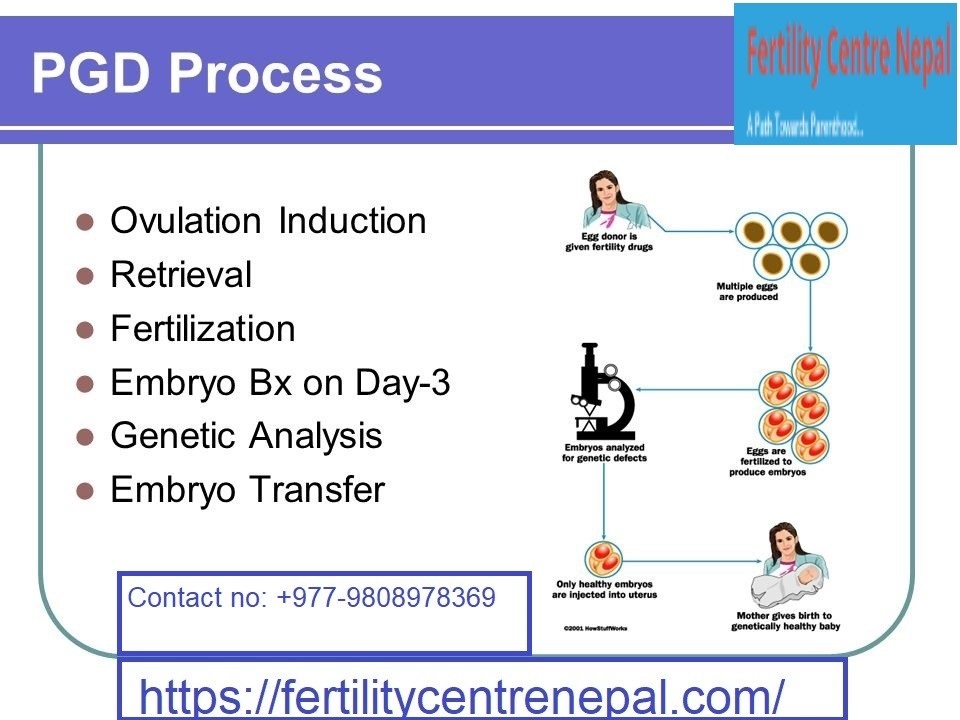
The PGD performs with IVF for the pregnancy results in Nepal. The pgd treatment in Nepal works as the testing of the embryos occurs in IVF with the eggs and sperm fertilization. It fertilizes outside the female womb by the expert retrieving it outside. It provides better pregnancy results for couples facing infertility issues. Various stages accomplish with advanced techniques and technologies. After the negative outcome of genetic testing, the process starts again for a successful conception. The following are the stages of IVF with the PGD process in Nepal:
Ovarian Stimulation: The egg production through the ovaries will increase with the fertility medicines recommended by the fertility expert. It will stimulate the female ovaries to function properly to produce healthy and multiple eggs in ovulation. The hormonal injection will help release the mature eggs inside the uterus.
Egg retrieval: The eggs will collect from the female uterus by the expert. They will use transvaginal ultrasound with a catheter. A speculum will open the cervix wide, and the catheter with light and camera will insert inside the vagina, cervix, and uterus. It will locate the eggs present in the uterus and use a needle to aspirate the eggs from the follicles. The doctor will collect the male semen sample for preparing and selecting healthy sperm.
Fertilization: In the conventional IVF process, the eggs and sperm will place together on a Petri plate and fertilize with each other, but many times, sperm stay outside the eggs. It has an impact on embryo quality & genetic testing outcomes. Your expert will suggest ICSI (Intracytoplasmic Sperm Injection) for improved results. Your expert will fill the healthy sperm injection and injects it directly into the eggs to inseminate the eggs. After four to five days, the fertilized eggs will divide into cells.
Embryo testing: The fertilized eggs in the centre will send to the laboratory for embryo biopsy on the third or fifth day. The top embryologist tests the fertilized eggs to determine the genetic disorder condition. The expert will retrieve one or two cells from the fertilized eggs on the third day. On the fifth day of embryo biopsy, they will collect several cells (more than three to four). The cells will check for the different genetic disorders’ presence.
Transfer: After one or two days, the genetic testing results will confirm negative or positive. It will send to the centre for pregnancy confirmation. If the test results are negative, the fertilized eggs will insert into the female uterus through a catheter. It will stick into the female uterine lining and start growing. The pregnancy result will confirm after two weeks of the fertilized egg implantation.
What are the benefits of PGD with IVF in Nepal?
The pgd treatment in nepal helps with many problems affecting the possibility of partners conceiving a healthy child. It causes several miscarriages and failures in the pregnancy. A couple can have a healthy kid without passing on any genetic disorders using IVF and the PGD process. It has many benefits, such as:
(*) IVF with pgd treatment nepal cost in Nepal is much more affordable than in developed countries.
(*) Doctor can identify and discard the fertilized eggs with a genetic or inherited disorder.
(*) It increases the chances of a healthy and successful pregnancy because of the super quality fertilized eggs transferred into the womb.
(*) You have a lower risk of pregnancy failure or miscarriage with the IVF and pgd treatment in nepal.
How much does IVF with PGD cost in Nepal?
The pgd cost nepal is much lower than in developed countries and does not cause a large hole in the patient’s pocket. The IVF cost in Nepal ranges from NPR 3,40,000 to NPR 3,50,000. It can be more than NPR 5,00,000, which will depend on your fertility conditions and the treatment required. The cost of pgd treatment in nepal will include and affect the IVF cost. Various factors are responsible for the IVF cost influence in Nepal.
The success rate of IVF and the IVF cost in Nepal are directly proportional. This includes medication, consultancy, counselling and laboratory facilities. Sometimes additional IVF may result in more cost. Here is the basic price, separately mentioned in a table:
Treatments
Costs in NPR
IUI
NPR 15,000 to 20,000
IUI with donor sperm
NPR 75,000 to 80,000
IVF
NPR 3,50,000 to 4,80,000
IVF with self eggs
NPR 3,50,000 to 4,80,000
IVF with self sperm
NPR 3,50,000 to 4,80,000
IVF with donor eggs
NPR 5,50,000 to 6,00,000
IVF with donor sperm
NPR 3,90,000 to 4,10,000
TESA
NPR 75,000 to 80,000
IVF with TESA
NPR 4,20,000 to 4,50,000
IVF/ ICSI
NPR 3,50,000 to 4,80,000
Donor’s eggs
NPR 2,50,000 to 2,60,000
Donor’s sperm
NPR 60,000 to 70,000
The best centre for many infertility treatments in Nepal is FERTILITY CENTRE NEPAL. They have advanced procedures and highly up-to-date techniques for treatments. They have had experienced doctors and fertility specialists with higher certifications for many years. Your chances of becoming a parent through the treatments in the centre will increase. You can have affordable costs in the centre through their packages and financial assistance.
What else about us:
FERTILITY CENTRE NEPAL
(a) Utmost assistance at every stage during the treatment
(b) Gametes and embryo cryopreservation facilities
What are the New technologies are Available in Nepal?
Nepal has witnessed significant advancements in In Vitro Fertilisation (IVF) technologies, positioning itself as a leading destination for fertility treatments. Pioneering centres like Slavica IVF & Research Centre in Kathmandu are at the forefront, offering state-of-the-art facilities and personalised care
Key Technological Innovations in Fertility Centre Nepal
Preimplantation Genetic Testing (PGT): This technique screens embryos for genetic abnormalities before implantation, enhancing the chances of a successful pregnancy
Artificial Intelligence (AI) Integration: AI is being utilised to analyse embryo quality and predict implantation success, leading to more personalised and effective treatment plans
Advanced Embryology Labs: Clinics are equipped with cutting-edge embryology laboratories that support techniques like Intracytoplasmic Sperm Injection (ICSI) and embryo freezing, improving success rates
Affordable and Accessible Care: Institutions such as New Life IVF Clinic offer high success rates at lower costs, making advanced fertility treatments more accessible to a broader population
FAQs
How does IVF have such a high rate of success?
The best method is IVF (In Vitro Fertilization), which works. It acts when other processes and typical reproductive consequences have failed. The eggs and sperm from a couple are used in the IVF procedure. The production of eggs from the female partner will first rise. As fertility drugs will aid in the production of healthy eggs. The expert then removes the couple’s gametes from the reproductive system. These will reproduce while being watched. The well developed fertilised eggs also implant into the female uterus to cause pregnancy. Additionally, IVF can include a technique for health issues and infertility. It contributes to a successful outcome.
What can improve the success rate of my IVF?
IVF is excellent, but it requires support from numerous technologies. Additionally, IVF has substantially higher success rates than any other technique. It aids the couple in conceiving a child successfully. IVF success rates, however, are a concern for some individuals. Because the success of IVF is the result of numerous factors. Additionally, you have a chance to improve the success rate of IVF and have a child.
For instance:
· By keeping the ideal weight
· putting emphasis on mental health
· selecting the best IVF facility
· having cutting-edge IVF procedures and methods
IVF: Is it harmful in any way?
No, there is less risk of injury from IVF. Because top-notch help and cutting-edge technology are used throughout the IVF process. Additionally, highly qualified IVF specialists are involved in the procedure. So there are less odds that IVF may have issues. With it, a couple who is older has a better likelihood of success with IVF. Due to the possibility of complications with fertility medications, egg retrieval, embryo implantation, or other diagnoses. Because it entails a minimally intrusive step and affects the likelihood of receiving treatment. However, selecting the ideal setting and procedure might assist you in getting the greatest results.
How to know if IVF is the best for me?
IVF is the top for many infertility conditions. As, the couple can conceive their healthy baby successfully. Also, the procedure can include different stages as per your problems. With it, your expert will perform various tests and checkups. It helps to know your infertility and health conditions. And they can recommend the best method as per issues. IVF is the best option for various problems of male and female partners. As it fertilizes outside the reproductive system and under expert observation. And your expert can change for a better outcome.
How can I determine if IVF is right for me?
The best treatment for many infertility issues is IVF. As the couple is successful in conceiving a healthy child. The process can also have multiple stages depending on your issues. It will be used by your specialist to carry out numerous tests and examinations. Understanding your health issues and infertility helps. They can also suggest the appropriate approach based on the problems. The ideal solution for many issues that male and female couples may encounter is IVF. It ovulates outside of the reproductive system, under the watchful eye of a professional. Additionally, your expert may adjust for a better result.
Best IVF Centre Nepal – A hope of bringing new life with a baby with High Success
Nepal has become a preferred destination for couples seeking affordable and quality fertility treatments. Among these, In Vitro Fertilisation (IVF) is one of the most popular procedures. If you’re wondering about the IVF cost in Nepal and looking for the best IVF centre in Kathmandu, this detailed guide has everything you need.
IVF, or In Vitro Fertilisation, is a type of assisted reproductive technology (ART) that involves combining an egg and sperm outside the body. The fertilised embryo is then implanted into the uterus, increasing the chances of pregnancy for couples struggling with infertility.
The best centre has fertility specialists and doctors with high knowledge and experience performing treatments. Your centre’s process and costs will be transparent, resulting in a low treatment budget. They focus on patient results and pregnancy through the treatment thus have packages for the IVF cost in Nepal. Before starting the IVF process, the best counsellors of the centre provide counselling sessions for couples. It helps in achieving better results with managing stress levels.
Why IVF in Nepal is the best?
Infertility is the
most concerning part in some people during the reproductive phase. It affects
their ability to conceive the baby, become parents, and have happiness. Many
people have problems during pregnancy, some have mild issues that manage
through guidance and other easy processes by experts. They recommend top
Assisted Reproductive Techniques that provide better results in conception. It
helps them manage other problems with infertility and performs by fertility
experts.
IVF (In Vitro
Fertilization) is the leading process of ARTs that provides better results in
different problems. Today, many couples globally select IVF for their desired
outcomes and have healthy children. It is the treatment that performs with the
eggs and sperm of partners to provide the biological child. It accomplishes
beneath the guidance of the latest technologies and advanced procedures.
Nepal is the best place for IVF treatment because many centres are present. The IVF cost in Nepal is highly lower than in developed countries. In comparison to industrialized nations various processes and treatments cost in Nepal are reasonable and do not affect patients budgets. It is the best destination for people from different places because IVF and other infertility treatments have the latest technologies. The egg donor IVF cycle in Nepal is available that provides high results.
How does IVF help infertile couples in Nepal?
The IVF treatment (In
Vitro) means in the lab, so the eggs and sperm of partners remove from their
bodies. It fertilizes in the lab by the fertility expert and advanced
technologies. It provides the best results without a healthy reproduction
system that works outside. After it, the expert transfers the fertilized eggs
inside the female uterus for pregnancy results. The donor eggs or sperm can
help in fertilization, if you do not have healthy self gametes. Other concerns,
such as hereditary abnormalities, male infertility, and so on, can be addressed
through the IVF process. IVF recommends highly in the following conditions of
men and women:-
Partners
have unexplained infertility reasons and cannot conceive the child
The couple
has faced several miscarriages, and conception failure need assistance
The woman
has poor ovulation, ovulation disorder (PCOS) causes poor eggs health
The poor
fallopian tubes health like blockage or damage
The female
has uterine fibroids that cause infertility by affecting the embryo
implantation into the uterus.
The man
has improper function and production of sperm through the reproductive tract
Anyone has
a genetic disorder and risk of transmission into the child
How does IVF work in Nepal?
Before starting the
IVF process, the expert will prepare partners. It will perform through various
screenings or tests. Your specialist will suggest counselling sessions to help
you control your stress and calm your inner revolution. The IVF process
provides successful pregnancy results in different infertility problems of
partners. It takes place in the lab by the fertility expert and uses advanced
technologies for fertility treatments. The IVF treatment cost in Nepal includes
different steps and provides successful conception results to the couple, such
as:
Preparation: Your fertility expert will perform many stages
to prepare you well before the process. It will deliver the best treatment and
healthy child through IVF. It includes the ovarian reserve testing that performs
with the fertility medicines to know the ovaries reaction to medications. The
different infectious diseases will examine that can transmit and affect the
child. Your expert will perform uterus checkups to understand the possibility
of pregnancy. The centre’s counselling team will offer assistance to the couple
and assist them in reducing their stress levels.
Ovulation Induction: It will accomplish through fertility medicines
prescribed by the expert. Your ovaries will produce healthy eggs with high
maturity of IVF. It stimulates the function and increases the production to
release the number of high eggs inside the uterus. Your expert will monitor the
step with a blood test and ultrasound.
Collecting eggs and sperm: After 36 hours of the
last hormonal injection, the expert will collect the eggs from the female
uterus. It will use sedative medicines or general anaesthesia. The retrieval
process will perform with a catheter, a flexible and thin tube with a light and
camera. It will place into the female vagina to inside the uterus. The eggs
will gather through the eggs follicles inside the female uterus. The expert
will take a sample of male sperm and prepare it in the lab to select healthy
sperm.
Mixing: An expert will fertilize
the obtained eggs and sperm in the lab. They place both gametes on a Petri dish
where the moving sperm attaches the head to the egg’s shell and enters the
cytoplasm. It will make eggs divide into cells and take some days to fertilize.
After four to five days, the fertilized eggs and sperm will develop into
embryos.
Transfer and results: Your expert will
check the fertilized eggs’ growth in the lab for selecting healthy. It will
transfer into the female uterus through the vagina using the catheter. It will
implant into the uterus lining for pregnancy, and after two weeks, a blood test
will confirm the pregnancy result of the couple.
IVF Cost in Nepal: Average cost of IVF in Nepal
Choosing a hospital or demanding for best IVF doctors in Nepal requires cost guidance. There are different packages provided by the hospitals, but we will try to break down the cost of the procedures. In comparison to the cost of European countries, Nepal and India are more affordable options. The country has also made technical advancements in recent years. The experienced doctors are performing procedures to treat infertility naturally, rather than they fo to an IVF procedure.
IVF Procedure Element
Estimated Cost (NPR)
Notes
Initial Consultation
1,000 – 2,000
Standard procedure including egg retrieval & embryo transfer
Fertility Testing
10,000 – 20,000
Used for male infertility where a single sperm is injected into the egg
IVF Medications (Hormone Injections)
80,000 – 1,50,000
Screens embryos for chromosomal abnormalities
Egg Retrieval + Embryo Transfer
1,00,000 – 1,50,000
Includes donor egg and recipient IVF cycle
Ultrasound + Monitoring
10,000 – 20,000
Includes surrogate care, IVF, and legal processes
Embryo Freezing (if needed)
30,000 – 50,000
Preserves fertility for future use
IVF with Donor Sperm
200,000 – 300,000
IVF using sperm from a sperm bank
IVF with SSR (Surgical Sperm Retrieval)
250,000 – 350,000
Used in cases of azoospermia (no sperm in semen)
Assisted Hatching
220,000 – 300,000
Helps embryo implantation by thinning the outer layer
IVF with Laparoscopy
250,000 – 350,000
Diagnostic and corrective surgery before IVF
Best IVF Doctors in Nepal: Doctors and Their Speciality
Doctors are the diamond of Hospitals and a light for society. In the case of fertility treatments, they give hope to the patients who can no longer fight for themselves. There are many different situations, like azoospermia in males and blocked tubes in females. Sometimes a female can only provide an environment in the uterus for the development of an embryo, but can’t produce gametes. In all of the above cases doctor has a tough role to assist the patient both psychologically and medically.
The best IVF Doctors in Nepal are keeping the same promise in medical assistance. You can check the mentioned doctors, they are the top 10 IVF doctors in Nepal.
Doctor Name
Specialty
Clinic Name
Dr. Nikita Dhakal
IVF, Obstetrics & Gynaecology
Slavica IVF & Research Centre
Dr. Rashmi Shrish
Advanced Infertility & Endoscopic Surgeries
Angel Fertility Clinic
Dr. Swasti Sharma
IVF, Obstetrics & Gynaecology
Hope Fertility and Diagnostics
Dr. Sushila Jha
IVF, Reproductive Medicine
Nepal Fertility Centre
Dr. Pramila Koirala
IVF, Obstetrics & Gynaecology
Pramila IVF Centre
Dr. Sushma Koirala
IVF, Obstetrics & Gynaecology
Sushma Koirala Memorial Hospital
Dr. Ranjana Koirala
IVF, Reproductive Medicine
Vatsalya Natural IVF
Dr. Manju Koirala
IVF, Obstetrics & Gynaecology
Vardhan IVF Centre
Dr. Sunita Koirala
IVF, Obstetrics & Gynaecology
RISAA IVF Nepal
Dr. Poonam Koirala
IVF, Reproductive Medicine
Sishu Fertility Clinic, Chitwan
Best IVF centre in Kathmandu: Best IVF Hospitals in Nepal
Nepal is already famous for its fertility treatment, and the clinics and hospitals are providing services with a high success rate. Their are best scope for the hopeless patients, even for the weak health couples. The other speciality is Genetic diagnosis for diseases and genetic problems in the child. If any couple is suffering from sexually transmitted diseases, a new newborn could also be affected by the disease, it is better to take IVF for non-contact birth. One of the best choices for couples is Fertility Centre Nepal, which we will mention separately. Here is the list of IVF clinics in Nepal.
Clinic Name
Location
Specialty
Slavica IVF & Research Centre
Kathmandu
IVF, Egg Freezing, ICSI, Egg Donation
Angel Fertility Clinic
Kathmandu
IVF, IUI, Male Infertility, Surrogacy
Hope Fertility and Diagnostics
Kathmandu
IVF, Egg Freezing, Sperm Donation
Nepal Fertility Centre
Kathmandu
IVF, Egg Donation, ICSI, Surrogacy
Pramila IVF Centre
Kathmandu
IVF, Egg Freezing, Sperm Donation
Vatsalya Natural IVF
Kathmandu
IVF, Egg Freezing, IUI, Surrogacy
Sushma Koirala Memorial Hospital
Kathmandu
IVF, Obstetrics & Gynaecology
RISAA IVF Nepal
Kathmandu
IVF, IUI, Surrogacy
Sishu Fertility Clinic
Chitwan
IVF, IUI, Egg Freezing, Surrogacy
Hardik IVF and Fertility Centre
Kathmandu
IVF, ICSI, Egg Donation
These hospitals are the best choices for the mentioned specialities. They cover all kinds of personal diseases in their treatment. These clinics are among the best in Nepal, offering a wide range of fertility services.
Fertility Centre Nepal: Best IVF Centre in Nepal
Fertility Centre Nepal is widely regarded as one of the best IVF centres in Nepal. Located in Kathmandu, it is known for its exceptional success rates and facilities. The centre offers comprehensive fertility services, including IVF (In Vitro Fertilisation), ICSI (Intracytoplasmic Sperm Injection), egg donation, sperm donation, and surrogacy. With a team of highly experienced specialists, Nepal Fertility Centre provides personalised care for each patient, ensuring that all treatments are tailored to the individual’s needs. The unique characteristics of the clinic are:
Personalised approach towards the patient for diagnosis.
Various fertility solutions like IVF, IUI, and ICSI are under the same roof.
Best IVF doctors in Nepal with their unique specialities and experience in the International centres.
Providing high standards of patient care and advanced technologies and techniques to help couples achieve their dream of parenthood.
They offer services like genetic screening, egg freezing, and male infertility treatments, making it a one-stop destination for all fertility needs.
Cryopreservation, vitrification, and Embryo freezing are some gifts of technical advancements provided by the clinic.
Psychological and medical assistance by the doctors.
Free Consultancy with the doctors regarding the IVF procedure and other related procedures.
Highest success rate for IVF procedures.
For those seeking the highest quality in IVF treatments, Nepal Fertility Centre is an excellent choice, backed by years of expertise and a commitment.
Assistance for medical, psychological, and family counselling for the procedure.