
Endometrial Biopsy in Nepal With Cost and Hospital
Endometrial biopsy has a different purpose if performed by doctors, and endometrial biopsy in Nepal is possible with various modern techniques. The very first question is whether it is a painful procedure or can be performed easily, and the answer is that discomfort can happen, but not very painful. There are different procedures which is used to diagnose the exact cause of infertility in females, one is an endometrial biopsy.
It is also used to detect the endometrial cancer of the initial stage, and endometrial thickenings indicate, chances of a healthy pregnancy. Some females are unable to conceive because of less thickness. The biopsy was very relevant to the diagnosis, and we will discuss the different possibilities that led the doctor to suggest this diagnosis. It sounds like a hard decision, but it takes only 15 to 20 minutes.
The uterus is lined by the special type of tissue known as Endometrium. An endometrial biopsy involves removal a 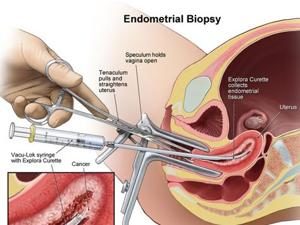 small piece of tissue from the lining of the uterus.
The sample of tissue is analyzed under a microscope in the laboratory by the doctors to find out the problems in the endometrium. An endometrium biopsy also helps doctors to determine the hormone levels.
An endometrial biopsy is also used to determine the cause of abnormal uterine bleeding when the patient experiences a change in her normal pattern of menstrual bleeding or when bleeding is unexpected.
Looking for a free cost estimate for treatment abroad.
Click to know More
It can also be done to help evaluate the cause of infertility. This test is also used to check the cancer of the uterus. An Endometrial biopsy takes 15-20 minutes.
An endometrial test should be scheduled during a certain time in your menstrual cycle. Doctor will insert a speculum into the vagina to hold it open so that your cervix can be viewed.
The Cervix is washed with a special solution. Doctors will insert a metal tool through the cervix to theuterus.
A small piece of the inner lining tissue is collected from the uterus and thetool is removed from the uterus.
Sometimes a local anesthesia is spray or injected into your cervix. The sample tissue is put into the fluid and sent to a laboratory for analysis.
The sample is examined under a microscope by the doctors. The results will come out after the 5-6 days of the test.
This test is designed to evaluate whether the lining of the uterus (endometrium) has been properly stimulated hormonally to allow a fertilized egg to implant and grow into a pregnancy.If the abnormal tissues are detected in the results, your doctor will recommend a course of medical or surgical treatment.
What Is an Endometrial Biopsy?
An endometrial biopsy is a simple medical procedure used to collect a small tissue sample from the lining of the uterus, called the endometrium. The purpose is to examine the tissue under a microscope to identify any abnormal cells, infections, or hormonal imbalances that could affect a woman’s menstrual cycle or fertility.
The biopsy is typically done in a doctor’s office and takes about 10–15 minutes. The patient lies on an examination table, and a speculum is inserted into the vagina (similar to a Pap test). A thin, flexible tube called a pipelle is inserted through the cervix into the uterus to collect the tissue sample. Some women may feel mild cramping or discomfort during the process, but it usually subsides quickly. Key features of this biopsy are:
- Investigate irregular or heavy menstrual bleeding
- Diagnose endometrial hyperplasia (thickening of the uterine lining)
- Check for endometrial cancer or precancerous changes
- Evaluate the uterine lining before fertility treatments like IVF
- Determine whether ovulation is occurring normally
Mild cramping or spotting may occur for a day or two, which is normal. Most women can return to their usual activities immediately. It’s advised to avoid tampons, douching, or sexual intercourse for 24–48 hours after the test.
The biopsy results help doctors diagnose potential issues like endometrial inflammation, hormonal imbalance, infection, or early signs of cancer. In fertility evaluations, it helps assess whether the uterine lining is suitable for embryo implantation.
What Happens if My Endometrial Biopsy is Abnormal?
There are different possibilities of endometrial biopsy, which depend on the situation for which it is suggested to a female. To know the exact cause of uterine bleeding or overbleeding, in case of repetitive abortion, the reason could be the endometrial lining.
If your endometrial biopsy results are abnormal, it means the tissue sample from your uterine lining shows changes that are not typical. The results don’t always mean cancer — there are several possible causes, and your doctor will interpret them carefully.
Hormonal Imbalance:
The lining may show that it isn’t responding normally to hormones like estrogen or progesterone. This can cause irregular periods or infertility and is often treated with hormonal therapy.
Endometrial Hyperplasia
This means the uterine lining has grown too thick. It can be due to excess estrogen and sometimes increases the risk of endometrial cancer. Your doctor may suggest medication or, in rare cases, further testing.
Infection or inflammation
The biopsy may detect conditions like endometritis (inflammation of the uterine lining), which is usually treated with antibiotics.
Precancerous or cancerous cells
If the biopsy shows abnormal or malignant cells, your doctor will recommend additional tests — such as a hysteroscopy, ultrasound, or dilation and curettage (D&C) — to confirm the diagnosis and decide on treatment options.
Inadequate sample
Sometimes, the sample isn’t large enough to give clear results, and the test may need to be repeated.
In short, an abnormal biopsy isn’t always a sign of something serious, but it does mean further evaluation is needed to find the exact cause. Your doctor will discuss the results in detail and suggest the best treatment or follow-up plan for your specific situation.
What Does a Patient Have Option If Diagnosed with Such Problems?- Endometrial Biopsy in Nepal
When an endometrial biopsy shows abnormal findings, it can be worrying, but the good news is that most conditions are treatable with proper care. Treatment depends on the cause of the abnormality, the patient’s age, symptoms, and future fertility goals. Below are the main options for managing these issues, including fertility-related treatments.
Hormonal Therapy
If the biopsy indicates a hormonal imbalance or endometrial hyperplasia (thickened uterine lining), the first line of treatment is usually hormone-based medication. Doctors may prescribe:
- Progesterone therapy to balance estrogen levels and thin the uterine lining.
- Oral contraceptives are used to regulate menstrual cycles and control bleeding.
- Hormonal intrauterine devices (IUDs) deliver progesterone directly to the uterus.
For women trying to conceive, hormonal therapy can help restore normal ovulation and prepare the endometrium for implantation.
Treating Infections or Inflammation
If the biopsy reveals endometritis (infection of the uterine lining), it is treated with antibiotics. Early treatment is essential to prevent scarring or complications that may affect fertility. In some cases, your partner may also need evaluation and treatment to prevent reinfection.
Surgical or Minimally Invasive Procedures
When precancerous changes or thickened endometrial tissue are found, minor surgical procedures may be necessary. These include:
- Dilation and Curettage (D&C): To remove excess tissue and stop abnormal bleeding.
- Hysteroscopy: A camera-assisted procedure to identify and remove polyps or fibroids inside the uterus.
- Endometrial ablation: For women who do not wish to conceive, this can remove or destroy the uterine lining to control bleeding.
Fertility Treatments
If the biopsy findings are linked to infertility, various fertility treatments can help:
- Ovulation induction using medications like clomiphene or letrozole.
- Intrauterine Insemination (IUI) is performed if the uterine lining becomes receptive after treatment.
- In Vitro Fertilization (IVF) for women with endometrial issues that prevent natural conception.
- Endometrial Receptivity Testing (ERA) may be recommended before IVF to determine the best time for embryo transfer.
Lifestyle and Follow-Up Care- Endometrial Biopsy in Nepal
Maintaining a healthy weight, balanced diet, and stress-free lifestyle supports uterine health. Regular follow-ups and ultrasounds help monitor progress and ensure the lining returns to normal. In summary, an abnormal endometrial biopsy doesn’t always mean something severe. With timely treatment, most women recover fully and can achieve both hormonal balance and healthy fertility.
What to do for Conceiving if the Endometrial Biopsy Abnormal Results are Observed?
If any female is diagnosed with cancer or a malignancy, then it will be an extreme case. Inflammation and infections in the endometrium can be treated with different methods. If any intended couple follows this method for conceiving a problem, then they can choose different options for pregnancy and carrying a baby.
You can choose surrogacy or IVF, and IVF is more recommended because it is allowed in Nepal, but surrogacy is not. There are many options, and every possibility has been expanded because of modern technology and the best doctors. In the next portion of the article, we mention some methods through which you can have a child even after an abnormal endometrial lining.
An abnormal endometrial biopsy result can feel discouraging for women hoping to conceive, but it doesn’t mean pregnancy is impossible. The biopsy helps identify underlying issues in the uterine lining (endometrium) that may interfere with implantation or embryo development. Once the cause is known, proper treatment can often restore fertility and improve the chances of conception.
Intrauterine Insemination (IUI)
IUI is often the first-line treatment when the uterus and fallopian tubes are healthy, but conception is delayed due to mild hormonal imbalance, cervical issues, or low sperm motility.
- During IUI, specially washed and concentrated sperm are placed directly into the uterus around the time of ovulation.
- This shortens the sperm’s journey and increases the number of sperm reaching the fallopian tubes, improving the chance of fertilization.
- Doctors usually prescribe ovulation-stimulating medications before IUI to ensure mature egg release.
IUI is simple, less invasive, and can be repeated for a few cycles before considering more advanced procedures.
In Vitro Fertilization (IVF)
IVF is one of the most successful treatments for women with endometrial or ovulatory issues. It involves several carefully controlled steps:
- Ovarian Stimulation: Hormonal injections are used to produce multiple mature eggs.
- Egg Retrieval: The eggs are collected from the ovaries using a minor procedure under mild anesthesia.
- Fertilization in the Lab: The eggs are combined with sperm in a lab setting to create embryos.
- Embryo Culture: The embryos are monitored for quality over several days.
- Embryo Transfer: A healthy embryo is placed into the uterus once the endometrial lining is optimally prepared.
If an endometrial biopsy previously showed an unresponsive or thin lining, doctors often perform Endometrial Receptivity Analysis (ERA) before IVF. This test determines the exact timing when the uterus is most receptive for embryo implantation, significantly improving success rates.
Intracytoplasmic Sperm Injection (ICSI)
ICSI (Intracytoplasmic Sperm Injection) is an advanced version of IVF, primarily used for male infertility or when previous IVF attempts have failed.
- In this technique, a single healthy sperm is directly injected into a mature egg under a microscope using a fine needle.
- This bypasses many natural barriers that might prevent fertilization, such as low sperm count, poor motility, or abnormal sperm shape.
- Once fertilization occurs, the embryo is transferred into the uterus as in a regular IVF cycle.
ICSI has revolutionized fertility care, giving hope to couples who may have struggled with severe male factor infertility. It offers high fertilization rates and excellent success in cases where traditional IVF may not work.
Hormonal and Nutritional Support
During ART procedures, women are given progesterone and estrogen support to ensure the uterine lining remains thick, vascular, and ready for embryo attachment. Nutritional supplements like folic acid, vitamin E, and omega-3 fatty acids also enhance endometrial health.
Egg Donor and Sperm Donor Programs
When abnormal endometrial biopsy results or other fertility factors make conception difficult with a couple’s own eggs or sperm, donor-assisted reproduction becomes a highly effective option. These treatments are often combined with IVF or ICSI to achieve pregnancy safely and reliably.
Egg Donation
Egg donation is recommended when a woman’s ovaries cannot produce healthy eggs due to age, hormonal imbalance, or medical conditions. It’s also used if multiple IVF cycles with her own eggs have failed.
- The Process: A healthy, young donor (usually between 21 and 30 years old) undergoes ovarian stimulation to produce mature eggs. These eggs are retrieved, fertilized with the partner’s or donor’s sperm in the laboratory, and then transferred into the recipient’s uterus.
- Recipient Preparation: The recipient (intended mother) takes hormones like estrogen and progesterone to prepare her uterine lining for embryo implantation.
- Success Rate: Since donor eggs are usually from younger, fertile women, success rates are significantly higher — often above 60–70% per IVF cycle.
Egg donation is a wonderful option for women with premature ovarian failure, poor egg quality, or genetic disorders, offering them the chance to experience pregnancy and childbirth.
Sperm Donation
Sperm donation is suggested when the male partner has low sperm count, poor motility, or abnormal sperm morphology, or if there is a risk of passing on genetic diseases.
- The Process: Donor sperm is carefully screened for infections and genetic conditions before use. It can be used for IUI, IVF, or ICSI, depending on the couple’s fertility condition.
- In IUI, donor sperm is directly placed into the uterus at ovulation.
- In IVF or ICSI, donor sperm fertilizes the eggs in the lab before embryo transfer.
Using donor sperm gives couples or single women a safe and reliable way to conceive when other treatments are not possible.
Fertility Centre Nepal For Endometrial Biopsy in Nepal
For couples struggling with conception or menstrual irregularities, Fertility Centre Nepal in Kathmandu has become a trusted name in reproductive care. The centre provides advanced fertility treatments supported by skilled doctors and modern equipment. Among its specialized services, the endometrial biopsy plays a vital role in diagnosing uterine lining problems that often affect fertility. By examining the uterine tissue, doctors can identify inflammation, hormonal imbalance, or abnormal cell growth that might prevent implantation.

Endometrial Biopsy
Located in Mid-Baneshwor, Kathmandu, the centre focuses on both diagnostic accuracy and personalized fertility planning. Women with abnormal endometrial biopsy results receive comprehensive care — from hormonal therapy to advanced assisted reproduction techniques like IVF, ICSI, and donor programs.
Key Highlights of Fertility Centre Nepal
- Offers a complete range of fertility services, including endometrial biopsy, IVF, ICSI, IUI, egg and sperm donation, surrogacy, and embryo transfer.
- The biopsy procedure is performed using modern, minimally invasive methods that reduce discomfort and provide quick recovery.
- Doctors use biopsy results to customize fertility treatment plans depending on uterine health and hormone response.
- Provides both diagnostic testing and therapeutic solutions under one roof, saving time and travel for patients.
- The centre’s medical team consists of experienced gynecologists, fertility experts, embryologists, and counselors, ensuring both physical and emotional support.
Benefits of Choosing Fertility Centre Nepal
- Comprehensive diagnostic support: The clinic uses biopsy results to tailor fertility treatments such as hormonal therapy, ovulation stimulation, or IVF cycles.
- Advanced laboratory setup: Equipped for procedures like IVF, ICSI, ERA testing, and embryo freezing, ensuring top-quality reproductive care.
- Affordable treatment plans: Compared to Western countries, fertility treatments in Nepal are cost-effective, with IVF cycles averaging NPR 300,000–450,000.
- Personalized care: Every patient receives a customized plan designed to enhance uterine health before conception attempts.
- High success rates: Due to skilled specialists and modern reproductive technologies, many patients achieve pregnancy even after previous failures.
Why Patients Trust This Centre?
Fertility Centre Nepal combines medical precision with compassionate care. It is ideal for women who have undergone abnormal endometrial biopsy results and want to pursue pregnancy through professional guidance. By integrating diagnostic testing, hormonal management, and fertility procedures in one centre, it provides a complete reproductive care journey — helping couples achieve their dream of parenthood in a supportive and affordable environment.
Endometrial Biopsy Cost in Nepal
The cost of an endometrial biopsy in Nepal generally ranges between NPR 5,000 to NPR 15,000, depending on the fertility centre, location, and medical facilities involved. At reputed clinics like Fertility Centre Nepal in Kathmandu, the procedure is performed by skilled gynecologists using sterile and advanced equipment to ensure accuracy and comfort.
The cost usually includes the doctor’s consultation, procedure charges, and laboratory testing. Additional expenses may apply if hormone evaluations or ultrasound monitoring are required. Compared to other countries, Nepal offers this diagnostic test at a very affordable rate with reliable and professional medical care.
Apart from the different diagnosis procedures, there are fertility measures that you can take as an intended couple. For a decent estimate, you should plan for around NPR 300,000–450,000 for one full IVF cycle in Nepal, with potential for more if your case has extra complexity.
If you like, I can check the latest cost list for the top 3 clinics in Kathmandu for you right now, so we can compare which might suit you best.
Best Hospital for Endometrial Biopsy in Nepal
When it comes to women’s reproductive health, Nepal offers several reputed hospitals that specialize in diagnostic procedures like endometrial biopsy. Among them, Paropakar Maternity and Women’s Hospital in Kathmandu stands out as the most trusted choice. It has a well-established gynecology department, advanced laboratory facilities, and experienced specialists who handle fertility evaluations with care and precision. The hospital provides both affordable and reliable diagnostic support for women dealing with infertility or hormonal issues.
Other leading hospitals such as Norvic International Hospital, Grande International Hospital, and Vardhan Fertility Centre also offer comprehensive fertility and women’s health services, including ultrasound-guided biopsies and hormonal assessments. These hospitals combine advanced technology with personalized treatment plans, ensuring accurate results and effective management.
| Hospital | Location | Specialization |
| Paropakar Maternity and Women’s Hospital | Thapathali, Kathmandu | Women’s health and fertility |
| Norvic International Hospital | Thapathali, Kathmandu | Gynecology & advanced diagnostics |
| Grande International Hospital | Tokha, Kathmandu | Fertility and laparoscopic care |
| Mediciti Hospital | Bhaisepati, Lalitpur | Reproductive health & testing |
| Go IVF Surrogacy | Mid Baneshwor, Kathmandu | Gynecology & fertility treatments |
| Indira IVF Centre | Panipokhari, Kathmandu | IVF and reproductive care |
| Vardhan IVF Nepal | Kathmandu | Endometrial & IVF diagnostics |
| Hardik IVF & Fertility Center | Sinamangal, Kathmandu | Fertility procedures |
| Clinic One | Jawalakhel, Lalitpur | Women’s health diagnostics |
| Nepal International Fertility & Laparoscopic Centre | Kathmandu | Fertility & endometrial care |
Modern Technology for Endometrial Biopsy- Endometrial Biopsy in Nepal
Endometrial biopsy is a key diagnostic tool in assessing uterine health, particularly for women experiencing infertility, abnormal bleeding, or hormonal imbalance. With advances in medical technology, modern endometrial biopsy procedures are safer, more accurate, and minimally invasive. These improvements ensure better patient comfort and faster recovery.
Pipelle Biopsy Devices
The most common modern tool for endometrial biopsy is the pipelle device. This thin, flexible tube allows doctors to collect a tissue sample directly from the uterine lining without the need for anesthesia in most cases. Advantages include:
- Minimal discomfort compared to older methods.
- Quick procedure, typically under 10–15 minutes.
- High accuracy for detecting abnormalities such as hyperplasia or early-stage cancer.
Ultrasound-Guided Biopsy
In some cases, especially when the endometrial lining is thin or irregular, ultrasound guidance is used to improve precision. This modern approach:
- Helps the doctor target the exact area of the lining.
- Reduces the risk of inadequate sampling.
- Provides real-time visualization to avoid injury to the uterus.
Automated Suction Devices
Some advanced fertility centres use automated suction biopsy systems, which combine gentle vacuum pressure with tissue collection. These systems:
- Increase the quantity and quality of the tissue sample.
- Minimize patient discomfort and cramping.
- Enable faster lab analysis for quicker results.
Laboratory Advances
Modern biopsy procedures are complemented by high-tech laboratory testing. Digital pathology and molecular analysis can detect subtle abnormalities, infections, or hormonal issues that were harder to identify in the past. This allows doctors to:
- Tailor fertility treatments based on precise endometrial health.
- Monitor responses to hormone therapy before IVF or other assisted reproduction techniques.
With pipelle devices, ultrasound guidance, automated suction systems, and advanced laboratory testing, modern endometrial biopsy technology ensures accurate diagnosis with minimal discomfort. These innovations are crucial for women planning conception or undergoing fertility treatments, providing the foundation for effective and personalized care.
Endometrial Biopsy Tools
Endometrial biopsy is a key procedure for evaluating the uterine lining, and the tools used have evolved significantly to improve safety, accuracy, and patient comfort.
Pipelle Device
The pipelle is the most commonly used tool for endometrial biopsy. It is a thin, flexible plastic tube that can be inserted through the cervix to gently suction a small sample of the endometrial tissue. Its advantages include minimal discomfort, no need for anesthesia in most cases, and rapid tissue collection. The pipelle provides accurate results for detecting hormonal imbalances, inflammation, or abnormal cell growth.
Dilation and Curettage (D&C) Instruments
While less commonly used today for routine biopsies, D&C involves surgical instruments to scrape the uterine lining. This method may be preferred if the pipelle fails to obtain an adequate sample or when a more extensive tissue collection is required.
Suction and Vacuum-Assisted Devices
Modern clinics sometimes use automated suction or vacuum-assisted biopsy tools. These devices collect tissue efficiently while minimizing discomfort and reducing the risk of incomplete samples.
Ultrasound Guidance Tools
For precise sampling, especially in women with thin or irregular endometrium, ultrasound-guided instruments are used. They allow the physician to visualize the uterine lining in real-time and target the area accurately.
Best Lifestyle for Better Fertility
Fertility is influenced not just by medical treatments but also by overall lifestyle. A healthy routine can enhance reproductive health for both men and women, improve hormone balance, and increase the chances of conception. Here are the key factors to consider for optimizing fertility naturally.
Balanced Nutrition
- Eat a variety of fruits, vegetables, whole grains, and lean proteins.
- Include foods rich in folic acid, iron, zinc, and omega-3 fatty acids to support reproductive health.
- Avoid excessive sugar, processed foods, and trans fats that can disrupt hormone balance.
Maintain Healthy Weight
- Being underweight or overweight can affect ovulation and sperm quality.
- Aim for a BMI within the healthy range through a balanced diet and exercise.
Regular Physical Activity
- Moderate exercise like yoga, walking, swimming, or cycling helps regulate hormones.
- Avoid excessive strenuous workouts, which can negatively affect fertility in women.
Stress Management
- Chronic stress can disrupt menstrual cycles and sperm production.
- Practice meditation, deep breathing, yoga, or mindfulness techniques.
Limit Alcohol and Avoid Smoking
- Alcohol and tobacco can impair ovulation and sperm quality.
- Reducing or eliminating these habits improves reproductive outcomes.
Sleep and Rest
- Aim for 7–8 hours of quality sleep per night to support hormonal balance.
- Good sleep helps regulate cortisol and other hormones related to fertility.
Regular Medical Checkups
- Routine fertility and hormonal evaluations can detect problems early.
- Vaccinations, screenings, and timely treatment of infections help maintain reproductive health.
Adopting these lifestyle practices not only improves fertility naturally but also prepares the body for healthy conception and pregnancy. A combination of proper nutrition, exercise, stress management, and medical guidance creates the ideal environment for reproductive success.
Frequently Asked Questions:
- What do abnormal endometrial cells mean?
Ans. Abnormal endometrial cells indicate that the tissue lining the uterus has changes that are not typical. These changes may result from hormonal imbalances, inflammation, infection, endometrial hyperplasia, or in rare cases, precancerous or cancerous conditions. While not all abnormalities are serious, they signal the need for further evaluation and treatment to prevent complications and improve fertility or overall uterine health.
- What is a normal endometrial biopsy result?
Ans. A normal endometrial biopsy result means the uterine lining is healthy and shows no signs of infection, inflammation, abnormal cell growth, or cancer. It indicates that the endometrium is responding appropriately to hormonal cycles, with the tissue thickness and structure matching the phase of the menstrual cycle. Normal results suggest that the uterus is suitable for implantation and fertility is unlikely to be affected by lining-related issues.
- What is the red flag for endometrial cancer?
Ans. A red flag for endometrial cancer is typically abnormal uterine bleeding, especially in women over 40 or postmenopausal. Other warning signs include unexplained pelvic pain, unusual vaginal discharge, persistent spotting between periods, or a sudden change in menstrual patterns. If an endometrial biopsy shows atypical or precancerous cells, it warrants immediate evaluation. Early detection through these signs significantly improves treatment outcomes and survival rates.
- What is high-risk endometrial cancer?
Ans. High-risk endometrial cancer refers to cases with a greater likelihood of aggressive behavior, recurrence, or spread. Risk factors include advanced age, obesity, diabetes, hypertension, family history of cancer, certain genetic mutations (like Lynch syndrome), and high-grade tumor cells. These cancers often require more intensive treatment, including surgery, radiation, or chemotherapy, and careful follow-up to monitor for recurrence, compared to low-risk endometrial cancers.
- What is the early stage of uterine cancer?
Ans. The early stage of uterine (endometrial) cancer typically refers to stage I, where the cancer is confined to the inner lining of the uterus (endometrium) or slightly into the muscular wall (myometrium) without spreading to nearby lymph nodes or other organs. Symptoms often include abnormal uterine bleeding, spotting between periods, or postmenopausal bleeding. Early detection is crucial, as stage I cancers are highly treatable, usually with surgery, and have excellent prognosis and survival rates.