
IVF Clinic Biratnagar – Serving the best fertility treatments

Best IVF Clinic Biratnager _ Fertility Centre Nepal

IVF Clinic Biratnagar is a specialized clinic which is serving the best fertility treatments available to all the couples who are unable to conceive naturally due to the cause of infertility. IVF Clinic Biratnagar now becomes one of the most favored destinations for all those couples who are seeking the help of the IVF clinics to fulfill their dream of having their own baby. IVF Clinic Biratnagar is a fertility clinic which is best known for their services and treatments which they offer to each individual who visit Biratnagar city and they use the best quality of drugs and disposables which are used for the fertility treatment.

What is an IVF treatment?

To proceed further, you should know about the IVF treatment. IVF treatment is one of the most commonly used procedure at IVF Centre Biratnagar in which the fertility experts will collect your egg and your husband sperms and then fertilize them in culture dish outside the women body but in the IVF laboratory under specific circumstances. Once the fertilization occurs the fertilized egg will be placed by your embryologist into your uterus to establish the successful pregnancy. With the help of this procedure, more than 80% of the women are able to achieve the pregnancy at IVF Centre Biratnagar. If in case you are unable to achieve the successful result in one cycle than you can repeat the IVF cycle at IVF Centre Biratnagar as most of the women have undergone for more than two IVF cycles to fulfill their dream of having their own baby.

Why people prefer IVF Clinic Biratnagar for their IVF treatment?

The following are the reasons which make the IVF Clinic Biratnagar are the most favored destination for IVF treatments:

  1. a) Services Offered: The services which have been offered by the IVF Clinic Biratnagar such as counseling, personal and medical care before and after the treatment, transparency in the treatment, maintenance of all the documents properly so that you will not face any difficulty when you visit the IVF Clinic Biratnagar again for the follow-ups.
  2. b) Appearance: The appearance of the IVF Clinic Biratnagar will give you the positive energy at the time you will enter in the clinic. You will find that all the doctors including other staff members are properly coordinating with you and will speak with you with all due respects and politely as they are treating their own family member. You will feel and experience the warm in the atmosphere at IVF Clinic Biratnagar.
  3. c) Location of the IVF clinic: The IVF Clinic Biratnagar is situated in the middle of the city and it can be easily accessible by you which will save your lot of money and travel time.

Success Rate of IVF Clinic Biratnagar

The success rate of IVF Clinic Biratnagar for taking the baby home is around 70 to 80% which is quite high when you compared the success rate of other well-developed countries. Every year people traveling to Biratnagar are increasing rapidly because here they get the high success rate with low-IVF cost treatment.


Total Fertility Rate in Nepal

Total Fertility Rate in Nepal with Success Rate & Cost 

Total Fertility Rate in Nepal

The total fertility rate in Nepal is 1.9 per woman; there is also a replacement fertility rate for Nepal. We are currently focusing on IVF treatment for the replacement fertility rate. IVF  is a hopeful journey for many intended couples, and most of them are hectic during their first meeting with the doctor. The basic problem in the medical procedure is a lack of understanding of the procedure. IVF is a series of complex procedures and needs the patience of both parents and the doctor. It is used for women with blocked fallopian tubes and multiple cysts in the ovaries. Depending on the situation, it may require gametes from other people and result in additional costs to the intended couples. 

While moving slowly in the journey towards becoming a parent, one should consider all angles like cost, ethical issues, and the rules of IVF in that native country. Nepal is the best option for parents who are looking for IVF at a low cost, and technical advances in medicine have been introduced in the country in recent decades. In the further sections of the article, you can check the best IVF center in Nepal. 

What is Fertility Rate?- Why should the fertility rate be maintained? 

The best fertility rate is maintained with the help of awareness and baby- planning. Maintaining a balanced fertility rate is important for the long-term stability of any country. When birth rates fall too low or rise too high, it can create economic and social challenges. A stable fertility rate helps maintain population balance, supports the workforce, and ensures that resources are used sustainably. Governments and health systems often focus on maintaining a reasonable fertility level so that societies can grow in a healthy and manageable way.

  • Balanced population growth: A stable fertility rate prevents sudden population decline or excessive population growth, both of which can strain national planning.
  • Sustainable workforce: When enough children are born, they eventually become part of the working population, supporting industries, services, and economic productivity.
  • Support for ageing population: In many countries, fertility decline leads to a larger elderly population. Adequate birth rates ensure there are enough younger people to support social systems.
  • Economic stability: Balanced population growth helps maintain tax revenues and supports pension and healthcare systems.
  • Social stability: A healthy population structure with balanced age groups helps maintain stable communities and social institutions.
  • National development planning: Governments can plan education, healthcare, housing, and employment more effectively when fertility levels remain stable.

Stepwise Procedure of IVF

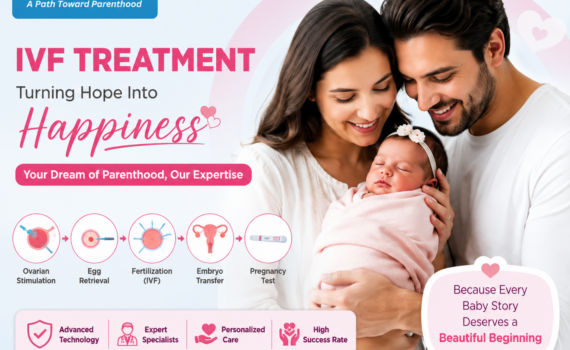
The procedure of IVF involves several key steps. To select IVF Nepal, it is better to understand the whole procedure and cross-check the requirements. The IVF may vary from clinic to clinic and also depend on the modern types of equipment. It is also the reason to choose one which is the best IVF center in Nepal. The steps in IVF:

  1. Couples meet with the doctor and tell about the problem in conception, and after that doctor decides on their treatment procedure. 
  2. The next step includes several tests in which ultrasound and MRI are also involved to see the actual condition of the internal reproductive organs. 
  3. Now the ovary of the female is stimulated by giving hormones to release multiple eggs; it also depends on the health factor of the female. 
  4. The fourth step is the retrieval of eggs from the reproductive tract. 
  5. The sperm are collected from the male donor or male partner.
  6. Both male and female gametes are fused in the test tube to ensure fertilization. 
  7. The fertilized eggs after the blastocyst stage are implanted into the womb of the female. 
  8. Continuous monitoring of the Eggs is also done, and nutrition is also measured with time. 
  9. After 9 months of gestation period, child delivery and care are also done by the doctors.

Treatment Option Other Than IVF

IVF is not only a treatment for infertile couples, it is a terminal option for patients who can’t produce normal or healthy gametes to meet the need for fertilisation. Other than IVF many options can be used for fertilisation of gamete. Most of these treatments are based on intra-uterine transfer of gametes.

  1. Mini IVF
  2. IVF for HIV patients
  3. ICSI
  4. IMSI
  5. PGD
  6. IUI
  7. PICSI
  8. IVM

All these treatments are provided by Fertility Centre Nepal. Other section includes medication and hormone-based treatment of male and female infertility. In the case of surrogacy female fertility is taken care of, to reduce the chances of an abortion. IVF centres in Kathmandu also take care of the food intake of the mother during pregnancy and implantation. 

IVF Cost in Nepal 

The IVF cost depends primarily on the health factor and secondarily on the age, hormones, and the vitality of reproductive organs. The next big part is played by the success rate of IVF; if there are maximum chances of successful IVF, then there is no need for a second cycle, which automatically reduces the cost. 

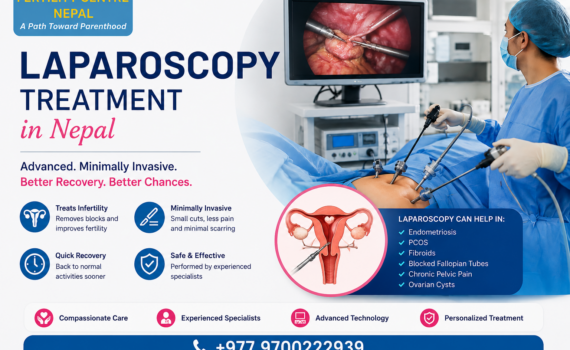
The general cost of IVF in Nepal is 3,50,000 to 9,80,000, and it excludes the cost of gametes. IUI (Intrauterine Insemination),  IVF (In Vitro Fertilization), ICSI (Intracytoplasmic Sperm Injection IVM (In Vitro Mature Freeze Embryo Transfer (FET), Laparoscopic,  IMSI/PICSI are some techniques that may be required during the IVF treatment.

Fertility Treatment Approximate Cost (NPR)
Basic IVF Cycle 3,00,000 – 4,50,000
IVF with ICSI 4,00,000 – 5,00,000
IVF with Egg Donor 4,50,000 – 6,00,000
IVF with Sperm Donor Up to 3,90,000
Frozen Embryo Transfer (FET) 1,50,000 – 2,50,000
Embryo Freezing (1 year) 40,000 – 60,000
PGD / Genetic Testing 2,00,000 – 11,30,000
IUI Treatment 15,000 – 25,000

Fertility Centre Nepal 

If you are a person who failed in several attempts of IVF and has no options left, then you can try Fertility Centre Nepal. With a high success rate of 60%, it has maintained a reputation in the list of the best fertility centres in Kathmandu. It is not about the capital city only, there are several centres at different locations. Kathmandu Fertility Clinic has given hope to many couples who are facing hectic situations. 

During IVF treatment, all people face issues and don’t understand the complex procedures involved. Here are some unique key points mentioned by the clinic itself:

  1. Several tests and procedures at one destination
  2. Top counselling sessions for a better process.
  3. Guaranteed treatment packages.
  4. Suitable IVF cost in Nepal.
  5. State of the ART technologies and methods.
  6. The highest IVF success rate in Nepal.
  7. Top-knowledgeable doctors for IVF treatment in Nepal.

Which is the best fertility centre in Nepal? 

At the same cost as mentioned in the above sections, Fertility Center Nepal is giving a new life to many intended couples to become parents. Many of them face severe infertility issues and also face failed IVF treatment in their journey. The clinic is designed to give benefits to all kinds of patients, irrespective of their caste, religion, and country

How to Choose the Best IVF Treatment in Nepal

Choosing the best option is everyone’s priority, and it sounds difficult because searching in other countries for IVF is like filtering water through a sieve.  When surrogacy is required as an additional procedure for in vitro fertilisation, it becomes more costly. 

The average cost of IVF in India lies between 1.2 lakh to 2.5 lakh, and it depends on certain factors.

IVF treatment in India needs careful evaluation before moving into further procedures. You can consider the following factors while choosing one for you: 

  • Success Rates- The most prominent factor for choosing an IVF clinic is the success rate. It is a percentage from previous data collected, successful IVF rate is mentioned through it. It should be more than 60% for a better clinic. 
  • Technical Facility- There is a big requirement for technical types of equipment in IVF treatment, and this kind of infrastructure also increases the cost of IVF. 
  • Team Expertise- If a team of doctors or an overall medical team is experienced with smooth hands, then you can choose to stay with the IVF clinic. 
  • Patient Reviews- Honestly is the voice of the population, and you can see the reviews of people while choosing an IVF treatment in India 
  • Cost-Transparency- The price of IVF treatment in India is also a dominating factor in choosing an IVF clinic, as people plan everything in their budget. 

How To Maintain a Good Fertility Rate? 

IVF is a top art technique whose effectiveness depends on medical professionals, technological advancements, and patient hands. Your serious infertility issues may limit your ability to conceive and result in failure. IVF therapy can boost your chances of getting pregnant. It requires fit female partners and healthy gametes, which is not possible in the case of a recent lifestyle.

Additionally, it can be helpful to keep a watch on several factors. You must start by selecting the top IVF clinic with the best aids and techniques. Then select the best remedy for your needs that is suitable for many diseases. Next, keep your physical and mental circumstances in good shape. The outcome of treatment can be impacted by any problem condition. A doctor may also suggest some medication or a food chart before entering into the procedure. 

Success Rate of IVF in Nepal

The IVF success rate in Nepal is higher than in most developed countries. If the procedure is performed sequentially, there are high chances of a High success rate. Some doctors also suggest diet and exercise during the procedure. Maintaining a proper weight during the procedure may also increase the chances of conception. 

The success rate of all clinics working under Fertility Centre Nepal is quite high. It is more than 

70 per cento. It is maintained by the efforts of doctors and the team, and particular counselling sessions are also provided by management to inform about the procedure. The second important notice is that cryopreservation makes it easy for couples to use one-time gametes during failed IVF. 

What is the Role of Success Rate or Fertility Rate in IVF?

The success rate tells us about the efficiency of doctors and their teams. We can also see it as a probability factor of successful IVF treatment. However, it depends on many other factors, like proper diagnosis of the problem and an ovarian study. If the growth of gametes and factors affecting their growth can be seen properly, then the chances of successful IVF are increased.

After implantation, Screening and tests for checking the growth of the foetus are also factors during treatment. IVF cost in Kathmandu, Nepal, varies to a certain extent, and it also shows the success rate of their IVF procedures. 

Conclusion 

Total Fertility Rate in Nepal is reducing because of the lifestyle issues and not having a proper awareness about personal life issues. IVF success rate in Nepal is higher than most of the developing countries making it a preferred destination for infertile couples. You have to choose a clinic according to the success rate and it is also a suggestion not to prioritise cost. 

You have to choose one of them according to your needs. Surrogate mother price in Nepal also differs, it may be because of health issues and associated hormonal therapy. It is suggested to take a view of legal formalities before entering into the procedure of surrogacy. Certain guidelines from doctors and clinics should also be followed by patients


Does stress affect the fertility of couples

Does Stress Affect the Fertility of Couples?

Fertility in Nepal

The couples, who are struggling with the cause of infertility, for them not only infertility, cause stress, but stress may affect their fertility. It has been found that people who are unable to conceive a baby feel more stressed and not able to concentrate on their day-to-day life. The study says that fear about infertility can also lead to tension with your partner, and this can reduce your chances of pregnancy even further.

As we understand, coping with infertility is stressful, but it doesn’t mean that you give up and not try for better results. If your doctor is unable to find out the reason for your ovulation problems then you need to meet some good fertility expert who will help you in finding the causes which are stopping you to become parents and also help you in learning the better ways to cope with the anxieties that come with infertility.

What are the tips to reduce stress to increase fertility?

The fertility experts at Fertility Center Nepal will provide the best tips which help in reducing your stress and increase your fertility chances and these are:

•    Firstly, you both need to accept that you have no control over the past or the future. It means that you need to make a deal with yourself to live in the present and deal with the diagnosis.

•    Keep communicating with your partner.

•    Try to get emotional support which you can take from a couples’ counselor, books, internet or support groups, which can help you to cope with infertility issues.

•    Try to do some stress-reduction therapies such as meditation or yoga.

•    Avoid taking caffeine and other stimulants.

•    Exercise is the best way to release your physical and emotional tension, so for better results exercise regularly.

•    Discuss the medical treatment plan with your partner, including your financial limits.

•    Try to gather more and more information on the causes of your infertility and search for the best treatment option which helps you in conceiving a baby.

•    Do not leave your job to reduce your stress level as it will increase your stress level. To make yourself comfortable try to be with your friends which distract your mind and supports you.

•    And finally, remember to be your own best friend. Stop blaming yourself and your partner, treat yourself and your partner with consideration and respect which you give to others.

What is artificial insemination?

 Artificial insemination is a simple procedure which has few side effects, and this procedure helps many couples who were unable to conceive a baby. Artificial insemination is a procedure in which the fertility experts at Fertility Center Nepal will directly insert the sperm of your husband into your cervix, fallopian tubes, or uterus. The most common method of artificial insemination is the intrauterine insemination (IUI) where the fertility expert will place the sperm of your husband into your uterus. This is a very helpful procedure for the couples who are unable to conceive a baby as this procedure makes the trip shorter for the sperm and gets around any obstructions. Your fertility expert may suggest this method as the first-line treatment for infertility.

What type of infertility is treated with artificial insemination?

Artificial insemination is a procedure which can be used to treat many fertility problems. For example, in cases of male infertility, where the sperm counts are low or when sperm are not strong enough to swim through the cervix and up into the fallopian tubes, etc. can be treated with artificial insemination. When the issue is with female infertility, where the women have a condition called endometriosis or she has abnormal reproductive organs then this method may be right for the women if she has unreceptive cervical mucus. This means that the mucus which surrounds the cervix prevents sperm from getting into women uterus and fallopian tubes. Artificial insemination is a procedure where the sperm skip the cervical mucus entirely and the fertility experts often suggest this procedure when they are unable to find out the reason a couple’s infertility.

What happens before artificial insemination?

The fertility expert will use ovulation kits, blood tests and ultrasound to make sure that women are ovulating when they get artificial insemination. After that, your husband needs to provide his semen sample. Your fertility expert will advise your partner to avoid intercourse for 2 to 5 days before the procedure so that he is able to produce a high count of the sperm. When your husband semen sample is collected it will be properly washed in a laboratory within one hour of ejaculation.

What to expect during artificial insemination?

During this procedure first, your fertility expert will wash your husband sperm in the laboratory to remove the chemicals in the semen which may cause discomfort for you and raises the chances of getting pregnant. The lab technicians liquefy your husband sperm at room temperature for 30 minutes and after that, he or she will add a harmless chemical which separates out the most active sperm. After this, your fertility expert will place the sperm in a thin tube called a catheter and put through your vagina and cervix into the uterus. Artificial insemination is short and a painless procedure. You may experience some cramping during the procedure and light bleeding afterward the procedure is completed. Once the sperm properly set into your uterus you can go back home and resume your normal activities. There are some cases where your fertility expert will give some fertility drugs before the procedure so that you are able to produce more healthy and mature eggs.

Success rates of artificial insemination

The success rates for artificial insemination may vary individual to individual. There are some reasons where this procedure provides the lower success rates and these are:

•    Age of the women is above 35 years.

•    The couple has a poor quality of egg or sperm.

•    A severe case of endometriosis.

•    There may be a lot of damage to women fallopian tubes, usually from long-term infection.

•    Blockage of women fallopian tubes.


IVF Clinic Biratnagar- A solution for all types of infertility

IVF Clinic Biratnagar is a clinic which offers the solution to all types of infertility to couples who are dealing with the cause of infertility and unable to conceive naturally after having an unprotected intercourse for more than 12 months. The IVF Centre Biratnagar uses the latest and advanced techniques to treat the cause of infertility in couples whether it is complex or rare. The IVF Centre Biratnagar has the well-qualified and experienced fertility experts in the field of fertility management which helps a childless couple in conceiving a baby. The IVF Clinic Biratnagar offers a wide range of fertility treatments which allows couples to enjoy their parenthood happily.

Fertility treatments at IVF Clinic Biratnagar

Following are the fertility treatments which are offered by the IVF Clinic Biratnagar to conceive a baby:

  1. a) IUI: At IVF Clinic Biratnagar the fertility experts offer this treatment to you which are very cost-effective. In this procedure, the semen of your husband is processed with special culture media and kept in the incubator for a swim. After that, the fertility expert picks up the fast moving sperm and placed inside your uterus to facilitate fertilization. With this procedure the number of sperms increases and able to reach your fallopian tubes which will increase your chances of successful pregnancy.
  2. b) IVF: IVF is the most commonly used procedure at IVF Clinic Biratnagar where your eggs and your partner sperm or sperm of sperm donor will be mixed together in the laboratory under specific circumstances for fertilization and after that, the resulted embryo will be placed into your uterus.
  3. c) Egg Donation:  The IVF Clinic Biratnagar uses the egg donation procedure for those women who are unable to conceive with their own eggs and need the assistance. In such cases, the IVF Clinic Biratnagar borrow the eggs of young, healthy and fertile women who is between the age of 21 to 28 years without any medical illness and donate her eggs to the women who required for conception. In this procedure, the fertility experts at IVF Clinic Biratnagar will artificially inseminate the donated eggs with your husband sperm or sperm donor and the resulted embryo will be implanted into your uterus to achieve the successful pregnancy.
  4. d) ICSIICSI is a procedure at IVF Clinic Biratnagar which mostly use where male member is affected by the cause of infertility. In this procedure, the fertility experts at IVF Clinic Biratnagar will directly inject a single sperm of your husband or sperm donor into each egg for fertilization and after that, the resulted embryo will be placed into your uterus.

Success Rate

The success rate of IVF Clinic Biratnagar is around 75 to 85% which is quite higher, however, the success rate majorly depends on the age of the women; the young the women is the more are the chances of the successful pregnancy.

Mission & Vision of IVF Clinic Biratnagar

The main aim of the IVF Clinic Biratnagar is to offer the best fertility treatment throughout their journey at IVF Clinic Biratnagar and allow couples to live their life happily with their own baby.


infertility treatment nepal

Is a Woman alone Responsible for infertility?

What is  Woman  alone  Responsible for Infertility?

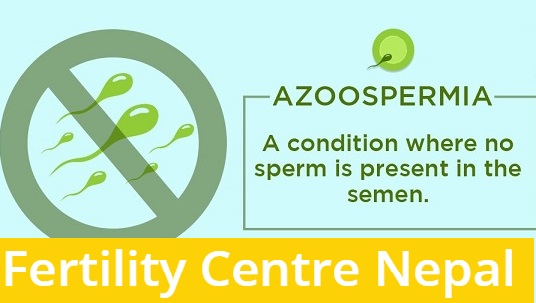
This is a myth that women are always responsible for the cause of infertility. Infertility is a disorder of hormones which can affect the men and women fertility; hence both are equally responsible for the cause of infertility. According to the study, about one-third of infertility cases are caused by women’s problems. Another one-third of fertility problems are due to the man and the rest of the cases are caused by a mixture of male and female problems or by unknown problems. But we are leaving in a male dominating society where they do not accept that men are equally responsible for not conceiving a baby. When they meet their doctor and came to know that not only women but men also dealing with the cause of infertility which means there is poor or low sperm count, sperm not present in ejaculate etc. can be the reason. After that, they decide to undergo some fertility treatments to fulfill their dream of having their own baby.

What is infertility?

Infertility is an ability not to conceive a baby after having regular intercourse for more than 12 months. Women who can get pregnant but are unable to stay pregnant may also be infertile. But with the advancement in medical science, the Fertility Center Nepal has various fertility treatments which help infertile couples to conceive a baby.

What are the factors that cause men fertility?

The following are the factors that cause man’s fertility and these are:

  • Poor functioning of man’s sperm that includes the quality of the man’s sperm.
  • Changes in man’s hormone levels.
  • Blockage in man’s tube which carries sperms can cause male infertility.
  • Low sperm count which can be due to an enlarged vein inside that loses the skin surroundings of man’s testicles.
  • Cancerous or non-cancerous growths.
  • Genetic disorders.
  • Radiation and X-rays.
  • The sperm quality can also be affected if there is any bacterial infection inside the man’s testicles which can convert as sexually transmitted infection (STI).
  • High intake of alcohol, drugs, and smokes can also affect the man’s fertility.
  • If the man had undergone for any surgery like vasectomy which is a procedure for preventing the sperms from leaving the testicles.
  • Medicines, especially those treating cancer, fungus, and ulcers can also be a reason for men infertility.

What are the factors that cause women fertility?

The following are the factors that cause women fertility and these are:

  • The women who are dealing with the problems to their reproductive system such as blocked or damaged fallopian tubes, the abnormal opening of the cervix, cancerous or noncancerous growths in the uterus, enlarged ovaries etc. can affect woman’s fertility.
  • A procedure where the fertility experts at Fertility Center Nepal collect the women eggs from her ovaries and mix with her partner’s sperm to facilitate fertilization, however, there are some women who face challenges while ovulating every month and for them, pregnancy is a big challenge.
  • Disease and disorders which include endometriosis. Endometriosis is a disease or disorder due to which women it becomes difficult to conceive as her uterine tissue will grow outside the uterus where she has enlarged ovaries that contain fluid-filled sacs.
  • Age is a major factor which affects the fertility of women as the older women face challenges while getting pregnant as her fertility decrease with increased age.
  • There are many women whose menopause stopped before their age of 40 years and they face challenges to get pregnant, also they face the other problems like immune system disease, cancer treatments, or a genetic syndrome.
  • The women who had undergone for the cancer treatments like radiotherapy and chemotherapy etc. can affect her fertility.
  • Medicines, especially those treating cancer, fungus, and ulcers can affect women fertility.
  • Access consumption of smoke, alcohol or any other drugs will harm the egg production which makes difficult for women to get pregnant.
  • An absence of woman regular periods can also affect her fertility.
  • Body weight of women can also be a reason for infertility. According to the study, overweight and underweight, both cases can affect a woman’s chances of getting pregnant. So, the fertility experts at Fertility Center Nepal suggest the women who are undergoing for the fertility treatment to maintain the ideal weight according to her body mass index (BMI) to achieve the successful results of treatment.

How fertility experts at Fertility Center Nepal treat infertility?

The fertility experts at Fertility Center Nepal treat infertility using medicine, surgery, artificial insemination or assisted reproductive technology. Many times they combine these treatments to achieve the highest success rates of the pregnancy. In most cases, infertility is treated with drugs or surgery.

Fertility experts at Fertility Center Nepal recommend specific treatments for infertility based on:

  • Blood test reports and ultrasound scans
  • How long the couple has been trying to get pregnant
  • The age of man and woman both
  • The overall health of the partners
  • Preference of the partners

Fertility experts at Fertility Center Nepal often treat infertility in men in the following ways:

  • Sexual problems: Male member who are dealing with impotence or premature ejaculation. In such cases, the fertility experts at Fertility Center Nepal use the behavioral therapy and/or medicines to treat infertility in men.
  • Too few sperms: Sometimes there are chances that surgery can correct the cause of the problem. However, in other cases, the fertility experts at Fertility Center Nepal can remove the sperms surgically directly from the male reproductive tract. They use antibiotics to clear up infections affecting sperm count.
  • Sperm movement: There are chances that men semen has no sperm because of a block in the man’s system. In such cases, surgery is the best option to correct the problem.

The fertility of women can be corrected with surgery. The fertility experts at Fertility Center Nepal use medicines to treat women with ovulation problems. Before taking these medications it is important that you should speak to your fertility expert about the pros and cons of these medicines. You should understand the possible dangers, benefits, and side effects before you consume any medications as it is a matter of your health.


The Infertility Voice- Fertility Centre Nepal

Category : Uncategorized

What is  Infertility in Nepal?

Infertility can be a lonely place. It’s hard to find others in your “real life” who are living this experience, but fortunately there are many couples those are facing same infertility problem. If you’ve ever felt silenced, lost or even shamed as you struggled to gain your bearings in the complicated world of infertility, this blog will help you to understand what exactly infertility is ?
Infertility is defined as the inability to conceive or carry a pregnancy to term after 12 months of trying to conceive.  If you are over the age of 35, the time of trying to conceive is reduced to 6 months. Infertility is a disease that results in the abnormal functioning of the male or female reproductive system. If you are trying to have a baby and it is not happening as quickly as you expected, you may wonder if you have an infertility issue.
Infertility may be due to physiological factors present in the both man and women. Infertility problem is not only related to the woman but it is related to both men and women. There are many infertility tests that can be taken to identify the cause of the problem. Some infertile couples have more than one cause of their infertility. Your doctor will usually begin a comprehensive infertility examination of both you and your partner.

Fertility Centre Nepal

Aspect Details
Definition Infertility in Nepal is Infertility treatment includes tests Clomiphene, Letrozole, hormonal injections Fertility Centre  Nepal
Prevalence Infertility affects an estimated 10–15% of couples in Nepal.
Male Infertility Causes Low sperm count, poor sperm motility, hormonal imbalance, infections, smoking, alcohol use, and stress.
Female Infertility Causes PCOS, blocked fallopian tubes, endometriosis, hormonal disorders, age-related factors, and infections.
Common Symptoms Irregular menstrual cycles, hormonal issues, sexual dysfunction, and inability to conceive.
Diagnosis Methods Semen analysis, blood tests, ultrasound, hormone tests, hysterosalpingography (HSG).
Available Treatments IUI, IVF, ICSI, Male Fertility,  Embryo Freezing/FET,
Fertility Clinics in Nepal Available mainly in Kathmandu, Lalitpur, and major cities.
Treatment Cost Range IVF treatment in Nepal generally ranges from NPR 300,000 to NPR 500,000 (varies by clinic).
Social Challenges Stigma, emotional stress, lack of awareness, and limited access to fertility care in rural areas.
Lifestyle Factors Poor diet, obesity, smoking, alcohol consumption, and stress can increase infertility risk.
When to Seek Help After 12 months of unsuccessful attempts (or after 6 months if the woman is over 35).
Prevention Tips Healthy diet, regular exercise, avoiding smoking/alcohol, timely medical checkups.

Fertility Treatment in Nepal 

A fertility specialist can speak to you about the recommended course of action based on your unique medical history and fertility situation. It is important to note that every couple’s fertility situation is different. Infertility is not an uncommon issue and regardless of age, couples are encouraged to seek help sooner rather than later. Starting early and getting the right advice and guidance will put you back in control and on the path to achieving your dream of having a baby.

Couples seeking fertility treatment often prefer to start with intrauterine insemination (IUI), which is seen as a less invasive and less intrusive procedure than in vitro fertilization (IVF). Simply put, IUI involves the insertion of a prepared sperm directly into the woman’s uterus close to the time of ovulation and during the fertile window. IVF has become, generally only one embryo needs to be transferred to achieve a successful pregnancy. In special circumstances, the couple and their doctor may decide to transfer two embryos into the uterus but either way they do not have to leave it to fate as they would when seeing how many eggs will be fertilized during IUI. If excess embryos result from an IVF cycle, these are frozen so further treatment can be achieved through the use of these “younger embryos” when the woman is older.
Although IVF treatment is widely considered to be a less costly fertility treatment option, the costs can add up if multiple IUI cycles are needed. Sometimes, a couple may have to undergo three or four IUI cycles to achieve the same success rate as a single cycle of IVF.


Fertility Center Nepal – A marvelous station for infertile couple

What is Infetility in Nepal?

Fertility center Nepal is really a marvelous station for the infertile couple because during the seeking hour of fertility center people are in a great dilemma and Nepal is the country achieving elite services in their fertility centers. Fertility center is such premises which provide the treatment related to fertility disorder. Fertility is the term which illustrates the potentiality to reproduce and when there is any problem such as hormonal imbalance or disorder in the reproductive system either in husband or wife then victim must visit the best gynecologist situated near to him/her. Fertility center Nepal is working for those infertile females and male who are being not able to conceive due to their biological problem.

Fertility center Nepal utilizes the number of the alternative procedure to achieve a successful pregnancy which leads happiness in those victims life. The most important is IVF that is in vitro fertilization. Here in vitro fertilization is such a procedure in which fertilization proceed outside human body that is in laboratory site. In vitro fertilization comprises the number of technique among them most preferred technique is:

  • Hysteroscopy
  • ICSI(Intracytoplasmic sperm injection)
  • IUI (Intrauterine insemination)
  • Surrogacy

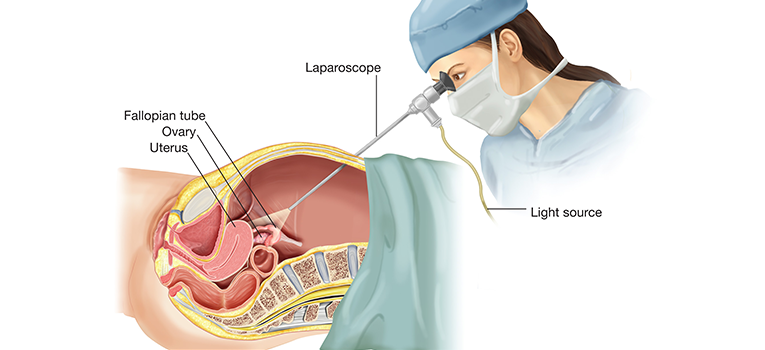
Hysteroscopy is that methodology that permits experts to interpret current situation around the uterus so that they can investigate and proceed the treatment of the disorders. Hysteroscope is an instrument which assists while processing hysteroscopy.

ICSI treatment is for recovery of infertility of male and it is determined as successful treatment among any other. In ICSI individual sperm of male is injected directly into an egg. IMSI is such a treatment method which is utilized when ICSI is found as unsuccessful. IUI treatment is also a part of fertility treatment but in this treatment, sperm is directly placed into women’s uterus whereas IMSI is a method employed in IVF treatment to interpret and recommend the sperm by assisting with high magnification digital imaging microscope for microinjection into an egg. Fertility center Nepal is situated in different cities of the country such as Kathmandu, Biratnagar, Pokhara, and Birgunj.

The Fertility clinic in Kathmandu includes highly skilled and experienced doctors to succeed the treatment. Kathmandu has been a wonderful station among all other station because Kathmandu is the capital city of Nepal possessing overall services and people feel easy to travel either that is international or national. The Fertility clinic in Kathmandu offers very reasonable cost as compared to other clinics because the major objective of the entire team of the center is to assist in increasing possibility of pregnancy. Kathmandu is that city which will you’re your life full of happiness by helping you in achieving child. The Fertility clinic in Kathmandu is situated in the different location of Kathmandu so that victims would not face problem during traveling.


IVF Cost in Nepal – Ease the fertility treatment for infertile couples

IVF Cost in Nepal

The IVF Cost in Nepal depends majorly on the age of the women which is one of the very important factors which affects the success rate of pregnancy. A woman under age of 35 years is more fertile than the woman over the age of 35 years because as she grows older she requires the high dosage to stimulate her ovaries and sometimes the eggs she produces is of bad quality which of no use.

Two IVF cycles are always expensive than one IVF cycle. If you are unable to achieve the successful result in one cycle then you have to go for the second one to achieve the successful results. Most of the women have undergone for more than two IVF cycles to achieve the goal of having their own baby.

If in case alone is not able to give you the successful result then you can opt for IVF with an egg donor, IVF with surrogacy, IVF with PGD or IVF with FET (frozen embryo transfer) this will increase your basic IVF Cost in Nepal, however, also increase the chances of successful pregnancy.

IVF Cost in Nepal before IVF Cycle

The IVF Cost in Nepal before IVF cycle includes the following:

  • Initial Visit: Initial visit means to meet up with the fertility expert who will review your case and examine the exact cause of your infertility by using tests and scans. Your initial visit also includes a consultation with financial experts to review the IVF Cost in Nepal, financing options etc.
  • Sonohysterogram: It is an ultrasound procedure which will detect if there are any abnormalities inside your uterus which can affect the pregnancy.
  • Trial Transfer: This is also an ultrasound procedure where your fertility expert will place a tiny catheter inside your uterus to determine the length and the direction of your uterine cavity before they begin with IVF cycle.
  • Semen Analysis: This is done especially to check the volume and the sperm count of the male member, in case if they require the advanced treatment such as ICSI for successful fertilization.
  • Semen Culture: This is done to identify in case any bacteria is existing in the semen which can affect the success of IVF treatment.
  • FSH Level: FSH means Follicle Stimulating Hormone which is present in women body and this test is done by the blood draw, basically on the second or third day of the periods. This test provides an indirect indicator of egg quality.

IVF Cost in Nepal is divided into 3 categories:

Pre- Existing Expenses:

  • Complete IVF/ ICSI procedure
  • Egg Pick-up
  • Airport Transfer
  • Doctor’s fee
  • Blood tests, scans, male and female blood investigation

IVF Cost in Nepal per IVF Cycle:

  • Lab charges
  • Before and after counseling
  • Consultation with IVF expert
  • Only standard medicines

Note: IVF Cost in Nepal only includes standard medicines. The medicine which requires stimulating ovaries will cost you extra.

Advanced IVF Cost in Nepal:

If you need the advanced treatment with advanced diagnoses than the basic IVF Cost in Nepal will increases accordingly.


IVF Specialist in Nepal

IVF  Specialist in Nepal — A Complete guide for Couples looking for Hope

Category : blog

IVF Specialist in Nepal

The journey towards parenthood can be a complicated path for many couples. When natural conception doesn’t happen, easily assisted reproductive technologies, like in Vitro Fertilization, open the door to the possibility. Nepal, with its growing medical infrastructure and increasingly skilled fertility specialists, is becoming an option for couples from within the country and region. This long-term guide will help you understand what an IVF specialist does, how to choose one in Nepal, the services and treatment they provide, and what to expect from IVF opens a door of possibility. Nepal, with its growing medical infrastructure and skilled fertility specialists, is becoming an option for couples from within the country and the region. This long-form guide will help you understand what an IVF specialist does, how to choose one in Nepal, the services and treatment they provide, what to expect from the IVF process, legal and ethical considerations, costs and logistics, emotional support, and smart questions to ask before you begin treatment. 

What is an IFV Specialist?

An IFV specialist, often called a reproductive endocrinologist, fertility or assisted reproductive technology (ART) physician, is a doctor trained in diagnosing and treating infertility. Their expertise combines reproductive medicine, endocrinology, obstetrics and gynecology, and assistive reproductive procedures. Typical competencies include: 

  • Evaluating causes of infertility for both partners ( Female and male ) 
  • Designing individualized fertility plans.
  • Performing procedures such as ovarian stimulation monitoring, egg retrieval, embryo transfer, and intrauterine insemination (IUI) 
  • Working closely with embryologists, andrologists, nurses, counselors, and geneticists
  • Interpreting complex hormonal tests, ultrasound scans, and genetic screen results. 
  • Ensuring ethical and safe practice of fertility treatment and adherence to patient counseling protocols.

Why see an IVF specialist — common indications

Couples or individuals should consider consulting IVF specialists. when –

They have been actively trying to conceive for 12 months without success 

There is known tubal disease, blocked or damaged fallopian tubes.

Severe male factor infertility 

Recurrent pregnancy loss or repeated implantation failure after earlier ART attempts.

Ovulation disorders 

Advanced maternal age or diminished ovarian reserve.

Genetic concerns that may require PGT.

Need for donor eggs, sperm, or surrogacy arrangement.

What Makes a Good IVF Specialist?

When evaluating an IVF specialist, look for a combination of strong medical, extensive clinical experience, advanced laboratory support, and genuine patient-centered care.

  • Formal training in reproductive medicine or Art, beyond general gynecology 
  • Clinical experience and case volume- Greater cycles handled often correlate with better outcomes.
  • Laboratory standards and affiliations: The specialist should work within a high-quality IVF lab or have access to one.
  • Transparent success rates: credible clinics/ specialists should work within a high-quality IVF or have access to one.
  • Patient communication and empathy: fertility treatment is emotionally taxing; a specialist who communicates clearly and supports patients psychologically is valuable.
  • Multidisciplinary collaboration: Good specialists coordinate with embryologists, geneticists, endocrinologists, and counselling teams.
Clinic / Center Location(s) Key Features / Remarks
Vatsalya IVF Kathmandu Focuses on natural IVF, claims 15+ years’ experience, 9,000+ cycles, 30+ specialists. 
National IVF Kathmandu Offers IVF, ICSI, IUI, and fertility preservation; emphasizes compassionate care and modern labs. 
Indira IVF Kathmandu Has registered fertility specialists like Dr. Neha Homagai, recognized brand. 
Angel Fertility Clinic (Kathmandu and others) Co-founded by Dr. Rashmi Shrish, offers a suite of infertility services. 
Slavica IVF & Research Centre Nepal Provides advanced ART services and research orientation. 
Shubhashree IVF Clinic Kathmandu Committed to ethical infertility treatment. 
Sishu Fertility Clinic & IVF Center Nepal Known to have good patient reviews, modern labs, and comprehensive services. 
International Fertility Centre (NIFC Kathmandu) Kathmandu Offers IVF, ICSI, IUI, and egg donation under “reasonable prices with no hidden charges.” 
Prime IVF Centre (Nepal branch) Nepal Delivers diagnostic assessments, customized plans, and advanced IVF treatments. 

Each clinic has its strengths and limitations. Patients are encouraged to visit, ask questions, and compare before deciding. 

Challenges and Barriers in IVF in Nepal 

While progress has been made, the field in Nepal still faces multiple constraints.

  • Cost and affordability: Though relatively more affordable than in many affluent countries, IVF remains expensive for the average Nepalese household. Many patients have to pay out of pocket or via medical loans. 
  • Lack of Insurance coverage: Most insurance companies in Nepal do not cover infertility treatments or procedures. This leaves couples vulnerable  to bearing the full cost themselves
  • Access and geographic disparity: Most advanced IVF centers are in urban areas. Patients from remote districts may face travel, lodging, and logistical challenges.
  • Regulation and Standardization: While some clinics maintain high lab standards and transparent data, others may lack stringent oversight. Without a strong national regulatory framework, patients may find variation in Quality, practical, and ethical standards 
  • Emotional, psychological, and Social stress: Infertility often carries stigma in many South Asian societies. Emotional support, counseling, and managing expectations are crucial but sometimes underprovided.

What Couples should know before choosing an IVF Specialist in Nepal?  

Given the technical, emotional, and financial stakes, couples should do careful due diligence. Here is the guide-

  • Medical Evaluation and second opinion-  Before committing to IVF, ensure a full infertility workup.
  • Set Expectation: Understand that IVF is guaranteed. Know the success rate, limitations, and risks.
  • Budgeting and financing: Ask clinics for full package costs. ( medication, lab, etc). See whether they offer EMI or installment plans.
  • Clinic Visit and team feel:  Visit the clinic if possible. Meet the doctor, ask questions, gauge lab conditions, and discuss backup plans.
  • Lab and technology Audit: Inquire about the lab.
  • Transparent success rates: Ask for clinic-specific data and what they consider a  “successful cycle. 
  • Support and services: Check whether the specialist/ clinic offers counselling. Psychological support, nutritional guidance, and holistic care 
  • Follow-up & Aftercare: How will monitoring, embryo transfer, and pregnancy follow-up be handled?

Choosing Fertility Centre Nepal for IVF 

Nepal has emerged as a growing destination for fertility treatments, attracting both local and international patients. The country offers modern fertility centres equipped with advanced technology, skilled specialists, and comprehensive services including IVF, ICSI, egg donation, and surrogacy programs. Many centres provide a supportive and patient-focused approach, ensuring couples have a comfortable experience throughout their fertility journey.

  • Advanced Technology: Most centres are equipped with state-of-the-art IVF laboratories, embryology labs, and genetic screening tools.
  • Experienced Specialists: Fertility doctors in Nepal have expertise in complex infertility cases and follow international best practices.
  • Comprehensive Services: Services include IVF, ICSI, IUI, egg and sperm donation, surrogacy, and fertility preservation.
  • Affordable Treatment: Compared to countries like the UK or USA, Nepal offers cost-effective fertility treatments without compromising quality.
  • Personalized Care: Centres focus on individualized treatment plans and emotional support, with counseling services for couples.
  • International Patient Support: Many clinics assist overseas patients with accommodation, travel, and documentation, making the process seamless.
  • High Success Rates: Leading fertility centres in Nepal maintain competitive success rates for women under 35 and offer donor programs for advanced cases.

Couples choosing fertility treatment in Nepal benefit from a combination of affordability, high-quality care, and compassionate support, making it a promising destination for those seeking effective infertility solutions.

Questions to Ask an IVF Specialist/Clinic

  • What is your experience in handling difficult/ complex infertility
  • How many cycles do you perform annually?
  • What is your live birth rate by age group?
  • Do you offer embryo freezing, PGT, donor egg, or sperm programs?
  • What is your policy if the first cycle fails?
  • Are there hidden costs ( medication, monitoring, lab work ) not included in the quoted package?
  • What is your cancellation policy?
  • What kind of emotional/ psychological support do you provide? 

Tips for patients considering IVF in Nepal?

  • Research well: Don’t choose based on cost alone. Visit clinics, talk to previous patients if possible
  • Start Early: Female fertility declines with age; earlier evaluation is better
  • Optimize health: Maintain BMI, control diabetes or thyroid, avoid smoking/ pollutants.
  • Ask about Backup Plans: What if no eggs are retrieved? What if the embryo fails to implant?
  • Request Transparency: Ask for success rates ( live birth, per cycle, by age), cancellation policies, and itemized costs. 
  • Emotional support: Seek counselling, peer groups, or mental health professionals to manage stress.
  • Understanding legal and ethical Constraints: Especially donor programs, embryo storage, and surrogacy.
  • Plan logistics: For out-of-town patients, consider travel, stay, and follow-up convenience. 

Success of Stories and Patients’ Journey:

Stories of hope and success are among the most impactful. Some clinics tout their success

  • Vatsalya IVF: More than 9000 IVF treatments and 15,000 plus “ miracle” ( family assisted ) over 1,500.
  • National IFV: Testimonial highlight “ wonderful service”, “ friendly doctors”, and top-notch  Facilities.
  • Angel Fertility Clinic: The clinic lists successful cycles, stories of couples overcoming 

infertility and the involvement of experienced embryologists.

What Sets Nepal’s IVF Specialists Apart

Nepali IVF doctors are known for their empathetic approach. Rather than treating patients like numbers, specialists often spend extended time explaining procedures, discussing outcomes, and listening to personal concerns. This patient-centered approach helps reduce emotional stress and builds mutual trust- one of the most important factors for a successful IVF experience.

For example, Dr. Rashmi Shirish from Angel Fertility Clinic and Dr Sabina Shrestha from Vatsalya IFV are widely recognised for this compassionate, women-focused counseling – making 

Patients feel supported both medically. 

Global training and Certification: Most IFV doctors in Nepal have pursued advanced ART training in India, Singapore, or Europe, ensuring global-level competency.

Multidisciplinary Collaboration: Doctors work closely with embryologists, endocrinologists, and genetic counselors to ensure precision in every IFV cycle.

Focus on Ethics and Transparency: Nepal’s reputed specialists emphasize clear costs of structures, informed consent, and honest communication with success rates 

Personalized attention: Unlike crowded clinics in major global cities, Nepal’s IFV centers maintain smaller patient volumes, enabling doctors to offer more individualized and compassionate care.

International patient care Units: Dedication teams handle everything from visa documents to post-treatment teleconsultation, ensuring smooth medical tourism.

The Rise of Fertility Tourism in Nepal: A New Hub for International Patients

With time, Nepal has quietly emerged as a rising destination for fertility tourism, attracting couples from neighbouring countries such as India, Bangladesh, Bhutan, and even from Western nations seeking affordable yet advanced reproductive care. The blend of modern IVF infrastructure, internationally trained specialists, and personalized patient attention has positioned Nepal as a competitive hub in South Asia’s fertility map. 

Why International Patients are Choosing Nepal

Neapl is a fertility hub these days, although there is no surrogacy allowed in the country, still ranking high. The main reason behind it is fertility specialists and technological advancements with law regulations. Here are some reason that has strong foundations for choosing Nepal for IVF and other Assisted Reproductive Technologies: 

1. Cost Advantage without Compromising Quality: 

The cost of a complete IVF cycle in Nepal is significantly lower compared to the U.S, U.K., or Singapore, often ranging from 30% to 50% less. Despite the affordability, clinics maintain high-quality laboratory standards and global safety protocols. 

2. English-speaking and multilingual medical staff-

Communication is one of the biggest hurdles in cross-border fertility care. Most leading IFV centers in Nepal have English-speaking doctors, coordinators, and counselors, making it easier for international patients to navigate their journey.

3. Simplified Legal Environment 

Nepal offers a relatively clear legal pathway for IVF treatments involving self-Gametes. Though surrogacy remains restricted, the country provides legal transparency for procedures such as IFV, ICSI, and donor gametes under medical supervision.

4. Holistic Support for Medical Travelers 

Recognizing the emotional and physical toll of infertility treatment, many clinics have established medical tourism desks. These teams help with visa documentation, airport transfers, accommodations, local translation, and follow-up teleconsultation. Patients from distant countries can thus experience tension in fertility care.

5. Scenic Recovery and Emotional Healing-

Nepal’s serene environment, surrounded by the Himalayas and spiritual landmarks, provides a therapeutic setting for couples undergoing IVF. Clinics often recommend wellness packages, yoga, and stress relief programs to enhance emotional resilience during the treatment process.

6. A Global Future for IVF in Nepal 

With continuous advancement in embryology labs, cryopreservation, and AI-based embryo selection. Nepal’s fertility sector is set to expand beyond regional borders. Partnerships with Indian and European fertility institutions are already in place, enhancing knowledge exchange and technology transfer.

Preventive Fertility Care: How IVF Specialists in Nepal Are Promoting Early Awareness. 

One of the most progressive trends emerging in Nepal’s fertility landscape is the shift from reactive to preventive reproductive care. IFV specialists are no longer waiting until couples face years of infertility- they are now promoting fertility awareness, early diagnosis, and reproductive preservation as a proactive step towards parenthood. 

Educating the Younger generation 

In collaboration with health organizations, programs in schools, universities, and workplaces. The goal is to educate young adults about.

  • The impact of age and lifestyle on fertility.
  • Common causes of infertility in both men and women.
  • The importance of early reproductive health checkups
  • Options for egg and sperm preservation for those planning delayed parenthood.

Fertility Screening and Early Intervention-

Top clinics such as Vatsalya IVF and Prime IVF centre now offer fertility assessment packages that include hormonal profiling, ovarian reserve testing (AHM), and semen analysis. These screenings help identify potential issues early, allowing couples to seek timely treatment or make informed family planning decisions before it is too late.

The Rise of Fertility Preservation 

With more professionals delaying marriage or parenthood, IVF specialists in Nepal are seeing rising interest in egg freezing and embryo cryopreservation. These technologies allow individuals to safeguard their fertility during their most fertile years and pursue parenthood later, without compromising egg or sperm quality. 

Lifestyle and Wellness Integration

Beyond medical intervention, IVF doctors are increasingly emphasizing fertility-friendly lifestyles. Through dietary counseling, exercise guidance, and stress reduction programs, specialists help patients enhance their natural fertility potential. 

Building a culture of awareness 

This preventive approach marks a turning point for reproductive health in Nepal. By empowering individuals to understand and monitor their fertility early, IVF specialists are not only treating infertility but actively helping prevent it. This mindset shift is helping couples take control of their reproductive journey. 

Ethical and Legal Considerations in IVF Treatment in Nepal

Navigating the legal and ethical landscape is a critical part of fertility treatment, especially for couples considering IVF, donor programs, or surrogacy. Nepali IVF specialists ensure that patients are fully informed and protected through the process. 

Legal framework for IVF in Nepal 

Nepal has clear regulations regarding fertility treatment involving self-gametes. While surrogacy is restricted, procedures such as IVF, ICSI, and donor gametes under medical supervision are permitted. Specialists guide patients to comply with legal requirements, ensuring all treatments are safe and lawful.   

Informed Consent

Before any procedures, patients are provided with detailed information about risks, success rates, and alternatives. Informed consent is a cornerstone of ethical practice, ensuring couples make educated decisions about their fertility journey. 

Donor gametes and embryo handling

For couples requiring donor eggs, sperm, or embryos, IVF clinics in Nepal maintain strict confidentiality. Ethical sourcing and proper screening protocols. Clinics follow best practices to ensure donor anonymity, health, and legal compliance.

Embryo storage and cryopreservation 

Cryopreservation of eggs, sperm, and embryos is widely practised. Specialists explain storage duration, usage rights, and disposal procedures, helping couples understand the legal and ethical implications of long-term storage.

Counseling and ethical guidance 

Beyond regulations, Nepal IFV specialists provide counseling on sensitive issues, such as multiple embryo transfers, selective reductions, or genetic screening results. This ensures patients make morally and emotionally informed choices.

A Commitment to Transparent Care

By going by legal standards and ethical guidelines, IVF clinics in Nepal are creating a trustworthy and patient-centered enviroment, where couples can pursue parenthood with confidence and peace of mind, where couples can pursue parenthood with confidence and peace of mind 

The Growing Awareness of Male Infertility in Nepal: A Shared Responsibility in IVF Success

For many years, infertility was seen primarily as a woman’s issue. However, evolving research and awareness campaigns in Nepal are helping couples understand that male infertility contributes to nearly 40-50% of all infertility cases. IVF specialists across the country are now emphasizing a shared approach to diagnosis and treatment plans 

Conclusion 

Finding the right IVF specialist in Nepal can make all the difference in your parenthood journey. With growing advancements in fertility technology and a team of highly experienced reproductive experts, Nepal has become a trusted destination for couples seeking safe, ethical, and affordable IVF treatment plans that suit their medical and emotional needs. 


IVF process in Nepal

IVF process in Nepal – Fertility Centre Nepal

Category : blog

Your guide to IVF process in Nepal – 

It is not easy for any couple to deal with infertility. Thankfully, there are advanced features like ivf 

( IN Vitro Fertilization) that has brought hope to families. A lot of attention has been given to the IVF process in Nepal because of its affordability, evolving medical structure and high amount of success rate. This blog will cover all the crucial topics related to the IVF process in Nepal.

Introduction to IVF process in Nepal

The IVF process in Nepal involves fertilizing an egg with sperm outside the human body in a controlled laboratory environment. After fertilization the embryo is cultured for a few days before being transferred to the uterus, where it implants and develops into pregnancy. Couples all over the world are now considering IVF Treatment in Nepal because of the brilliant facilities like advanced fertility centers, affordable treatment packages. IVF cost in Nepal is lower than in many western countries., while maintaining quality global standards.

Why choose IVF treatment in Nepal?

There are a lot of reasons why IVF treatment in Nepal is considered a great choice both for domestic and international couples.

  • Cost of IVF in Nepal-

The cost of IVF in Nepal is among the lowest in Asia, ranging from USD 3,000 TO USD 4,500 per cycle. This includes consultations, medications, laboratory charges, and embryo transfer.

  • IVF Cost in government Hospital-

There are patients who want affordable care,  Hence they can opt for public hospitals. The cost ranges between USD 2,000 to USD 3,000, depending on treatment complexity, Government hospitals maintain basic but highly effective IVF Services. 

  • Top- notch infrastructure 

The best IVF centers in Nepal are equipped with modern IVF laboratories, advanced imaging systems, genetic testing etc.

  • Skilled specialists

Choosing the Best IVF Doctor in Nepal ensures expertise in handling complex infertility cases. Many doctors have international training and experience in modern reproductive techniques. 

  • Peaceful Environment

Nepal’s calm, natural help in reducing stress 

  • Convenient Location

For couples from India and South Asia, Nepal is easily accessible and travel is straightforward.

IVF process step by step

This process typically spans from 4-6 weeks from start to pregnancy testing-

Step 1 Initial consultation and fertility assessment

The first stage involves-

  1. Review of medical history 
  2. Blood test for hormone levels 
  3. Ultrasound to assess ovarian reserves and uterine health.
  4. Semen analysis for sperm count, motility, and morphology 

Step 2: Ovarian Stimulations 

Hormonal medications stimulate multiple egg production 

  • Regular monitoring through ultrasounds and blood tests ensures eggs develop properly.
  • The number and quality of eggs directly affect the success the success rate of IVF in Nepal
  • Proper stimulation helps the embryologists have multiple embryos to select  the healthiest for transfer. 

Step 3 : Egg retrieval 

  • A minor surgical procedure performed under light
  • Ultrasound guidance helps retrieve mature eggs from the ovaries
  • Eggs are immediately sent to the laboratory for fertilization

Step 4 Sperm Collection and preparation

  • Male partner provides a semen sample 
  • In male fertility, sperm may be collected via TESA techniques-
  • Only the healthiest sperm are selected to increase fertilization chances.

Step 5  Fertilization 

  • Eggs and sperm are combined in vitro for fertilization
  • If sperm quality is low, ICS ( sperm injection) is used.
  • Embryos start forming, marking an important stage in the IVF process in Nepal.

step: 6  Embryo Culture and development

  • Embryos are cultured 
  • Specialists  monitor cell division, morphology and growth.
  • High quality embryos are selected for transfer after 3-5 days.

Step 7: Embryo Transfer

  • Selected embryos are transferred into the uterus
  • Generally, .one or two embryos are transferred to minimize the risk of multiple preganancies 
  • Extra embryos are cryopreserved for future for multiple pregnancies

Step 8 Pregnancy testing and follow up 

  • Blood test is performed 14 days post transfer 
  • Positive results lead to continuous hormonal support and prenatal monitoring 
  • If successful, frozen embryos can be used in subsequent cycles.

Ivf Cost in nepal 2025 

The IVF cost in Nepal 2025 varies depending on clinic, complexity, and additional procedures 

Like icsi or donor eggs 

Component Estimated Cost (USD)
Initial Consultation 50–100
Hormonal Medications 800–1,200
Egg Retrieval & Lab Charges 1,000–1,500
Embryo Transfer 500–800
Embryo Freezing (Optional) 300–500

Even with advanced procedures, the total cost remains far lower than in western countries.

Success rate of IVF in Nepal

Depends upon-

  • Female age and egg quality 
  • Male sperm health
  • Uterine environment
  • Clinic expertise
  • Lifestyle factors 

Average success rates  

Women under 35- 60-70% 

Women 35-40- 40-50%

Women over 40- 25-30% 

Advanced lab techniques help boost the success rate of IVF in Nepal to international standards

6. Best IVF Center in Nepal

Some of the Best IVF center in Nepal include:

  1. Om Hospital and Research Centre, Kathmandu
  2. Grande International Hospital, Kathmandu
  3. NMC Fertility Centre, Kathmandu
  4. Vayodha Hospitals, Kathmandu
  5. Norvic International Hospital, Kathmandu

Choosing the Best IVF doctor in Nepal ensures expert handling of complex fertility cases and improves success rates.

7. Additional Fertility treatments 

Nepal offers 

  • Icsi – for severe male infertility 
  • UIU- for mild fertility
  • Egg or embryo donation programs
  • Surrogacy services ( where legal)

This makes Nepal an ideal hub for fertility treatment.

8. Preparing for IVF in Nepal 

Preparation tips for couples

  • Balanced diet rich in vitamins and antioxidants
  • Avoid smoking, alcohol and caffeine 
  • Moderate exercise for maintain health
  • Stress reduction through yoga , meditation, or counseling
  • Follow all the instruction of doctors

 Nepal is accessible and affordable 

Future of IVF in Nepal

With Ai- assisted embryo selection, improved cryptopreservation, and genetic screening. The IVF process in Nepal continues to evolve. Nepal is becoming a leading fertility destination in Asia, combining affordability with global standards.

Fertility options in Nepal

Fertility treatments have advanced a lot, giving couples hope facing infertility. The right treatments depend upon age, health, cause of infertility and how long the couple has been trying. Here, are the main fertility options in Nepal 

Ovulation Induction ( OI) 

For women who don’t ovulate regularly, medications help stimulate the ovaries to release eggs. It is usually the first step and can be combined with timed intercourse.

Intrataurine Insemination (IUI)

In IUI, processed sperm is placed directly into the uterus during ovulation to improve chances of fertilization. It normally works well with mild male infertility, unexplained infertility, or cervical issues.

In vitro- fertilization (IVF)

It is one of the most powerful treatments. Eggs are retrieved and fertilized with sperm in a lab. And the embryo is transferred to the uterus.

Donor programs 

Donor eggs, sperm or embryos can be used when one or both partners cannot healthy gametes. This is generally for older couples or those with genetic concerns 

Surrogacy 

If the female partner is not capable of carrying a frequency, another woman ( surrogate) can carry the baby. Surrogacy is helpful for women with uterine problems or repeated pregnancy losses. 

The role of advanced technology in Boosting IVF Success in Nepal-

The IVF process in Nepal has evolved significantly over the past decade not just because of skilled fertility specialists but also because of great technology. Modern Fertility treatment depends upon technology to improve the success rate of IVF in Nepal. Here is how advanced technology is making a difference.

  • Time- Lapse embryo monitoring 

Traditional IVF requires periodic checks on embryos, which may disturb the environment. In contrast, time lapse time lapse embryo monitoring allows continuous observation without reducing embryo from the incubator. 

  •  Preimplantation Genetic Testing (PGT) 

Genetic abnormalities are now one of the major reasons for IVF failure. PGT screens embryos for genetic disorder before implantation. Making sure only healthy embryos are transferred  

     3     Advanced incubators 

Modern incubators simulate the natural conditions of the uterus, providing optimal temperature, humidity and gas concentrations for embryo growth. The use of these incubators in Best IVF in Nepal that use this technology help couples reduce the risk of unsuccessful technology.

    4. Integration with AI and predictive analysis 

Some leading fertility centers in Nepal are now exploring artificial ways to predict embryo viability and optimize treatment protocols. AI helps in analyzing embryo images, hormonal responses, and previous cycle data to make personalized recommendations, further increasing success rates.

5. Benefits for international patients

Advanced technology also attracts couples from Bhutan, India and beyond. Couples also benefit from personalized care plans tailored to their specific fertility needs. 

Medical Tourism and IVF in Nepal – A Rising Fertility Destination in Asia

In recent years, Nepal has become a fertility tourism hotspot for couples across India, Bhutan, Bangladesh and even in western countries. The combination of affordable IVF cost in Nepal 2025. Internationally trained fertility experts and compassionate care makes the country an ideal destination for assisted reproduction. Unlike other destinations, Nepal offers transparent IVF pricing, world class fertility in Kathmandu and Pokhara and multilingual medical support, making international treatment smoother and stress free. 

As fertility awareness grows, medical tourism for IVF in Nepal is expected to rise by over 25% by 2025 with more couples choosing Nepal not just for affordability but also for the country’s serene environment that helps reduce treatment stress. A factor directly to higher IVF success rate.  

Understanding IVF Regulations and Legal Guidelines in Nepal

The section will help readers understand the legal and ethical aspects of IVF in Nepal. 

Legal Framework for IVF

Nepal has clear regulations to ensure ethical fertility treatment. All IVF clinics must be licensed by Nepal Medical Council and follow international standards. For patient safety and laboratory procedures. 

Guidelines for Donor programs-

Egg, sperm, and embryo donors must undergo medical screening for patient safety, donor identities remain confidential. Clinics maintain strict records and follow ethical protocols. 

International patient considerations

Foreign patients seeking IVF in Nepal must comply with visa requirements and clinic documentation. 

Ethical consideration in IVF

Clinics Avoid unnecessary multiple embryo transfers. Only medically justified procedures are recommended. Patients receive informed consent before every step, including medication, embryo transfer and freezing..

Emotional and Psychological support during IVF in Nepal

The journey through infertility and IVF can be emotionally challenging. Many couples experience stress, anxiety or depression during treatment. Due to this IVF centers in Nepal now integrate emotional and psychological support programs alongside medical care.

  • Counseling services for couple: 

Top fertility clinics in Nepal offer professional counselling sessions where psychologists help patients manage emotional ups and downs, strengthen partner communication and stay motivated through the IVF process step by step. 

  1. Support Groups and Peer interaction:

 Many hospitals encourage participation in IVF support groups, where couples share their journey, challenges, and victories. These communities reduce feelings of isolation and build emotional resilience. 

  • Mind-Body Programs-

Therapies like yoga, meditation, mindfulness and acupuncture are gaining popularity in Nepal’s fertility centers. These techniques reduce cortisol levels, improve blood circulation and promote relaxation. 

  • Why emotional wellness matters-

Research shows that couples who receive psychological support during Ivf are more likely to stay consistent with their treatment and have higher chances of success. A balanced emotional state directly influences hormonal health 

Eco-friendly IVF Practises in Nepal 

As global awareness about sustainability grows, some fertility centers in Nepal are  now updating eco-friendly practices. The unique angle focuses on how clinics are reducing their environmental footprints while delivering world class IVF treatment-

What are eco-friendly IVF Practises-

  • Energy efficient labs-

Ivf labs are traditionally energy extensive due to incubators, air filtration, and climate control

Modern clinics in Nepal are adopting energy efficient equipment to minimize consumption.

  • Green waste management

Proposal disposal and recycling of medical waste, culture media in order to reduce environmental impact. 

  • Digital Record keeping

Replacing paper records with secure digital systems reduce paper usage while improving patient data management.

  • Eco friendly consumable 

Use of biodegradable or recyclable lab material and reduced single used plastic where possible.

  • Sustainable patient care Programs 

Encouraging patients to reduce travel emissions with teleconsultations, optimizing appointments and combining multiple procedures in a single visit.

Why Sustainability Matters in IVF

  • Reduces carbon footprint while maintaining high-quality care.
  • Promotes a healthier environment, which indirectly benefits patients’ well-being.
  • Positions Nepal as a modern, responsible destination for fertility treatment.

Conclusion

The Ivf process in Nepal offers affordable, advanced, and ethical fertility care. Choosing the best IVF center in Nepal is not that hard a task. Take the first step towards realizing the dream of parenthood..

Faq’s ( frequently asked questions)

  • What makes the  IVF  process in Nepal unique?

The IVF process in Nepal stands out for its balance affordability, advanced technology and ethical care. Fertility centers here combine modern lab techniques from skilled fertility doctors.

  • How long does a complete IVF cycle take in Nepal?

A typical IVF cycle in Nepal takes about 4 to 6 weeks from the first consultation to pregnancy confirmation. The timeline includes ovarian stimulation ( 10-`12) days egg retrieval, fertilization and embryo transfers. After two weeks a pregnancy test is done to check the results. The exact duration may vary slightly depending upon each patient’s treatment plans. 

  • What is the average IVF cost in Nepal in 2025?

The cost in Nepal ranges between USD 3,000 to 4,500 per cycle, making it one of the most affordable fertility destinations in Asia. 

  • How successful is IVF treatment in Nepal ?

The success rate in IVF Nepal has significantly improved due to modern technology .

  • Is IVF treatment in Nepal safe?

Yes, IVF in Nepal is completely safe and regulated by Nepal Medical Council (NMC). Fertility clinics follow international protocols for lab quality. These are performed by trained specialists using FDA- approved equipment, ensuring the safety and health of both the mother and lady.


GET A QUOTE

    Attach Files


    We Provides Smile Over Faces

    Treatments

    Contact Us

      Attach Files