
ivf treatment in nepal

IVF treatment in Nepal

How does the IVF treatment in Nepal best?

IVF treatment in Nepal – IVF Cost In Nepal is the estimated cost of the best IVF treatment in Nepal is around NPR 3.40,000 per cycle, And the price will increase as per the number of IVF cycles used. Also, the IVF treatment cost in Nepal depends on the place the IVF procedure has taken place, age of the couples, cause of infertility, previous medical history, body weight, eating habits, etc.

Why go for IVF treatment in Nepal?

IVF treatment in Nepal is the topmost process. It helps in couples’ infertility conditions. And you can achieve top pregnancy outcomes. Many issues have managed with the best method. Because it has advanced technologies. And the experienced doctor performs it. Moreover, the couple can top process as per issues. Since, various approaches are present. These help in top procedures and results.

IVF (In Vitro Fertilization) involves the top method. As it involves the top process. It helps in the couple’s gametes’ fertilization. The expert collects the couple’s eggs and sperm. And these fertilize under their observation. Then, they choose the top embryo for implantation. And the transfer provides the pregnancy outcome. And you will conceive a healthy baby.

Moreover, the IVF best treatment in Nepal is suitable. Because it is more affordable than in developed nations. And couples can have the top method. Since, they cannot afford it in western countries. It is the top process for your pregnancy. So, you can choose the best process. Then, top-notch techniques are available. For it, you can select the best IVF centre in Nepal. They have a high IVF success rate in Nepal.

IVF Treatment in Nepal


Why IVF treatment in Nepal at FERTILITY CENTRE NEPAL? 

(1) Several tests and procedures at one destination

(2) Top counselling sessions for better process

(3) Guaranteed treatment packages 

(4) Suitable IVF cost in Nepal 

(5) State of the ART technologies and methods

(6) The highest IVF success rate in Nepal 

(7) Top-knowledgeable doctors for IVF treatment in Nepal 

(8) Call us at +977-9808978369

(9) Or mail us at [email protected]

Are You Looking for IVF Treatment in Nepal?

Submit a list of your questions

What is the IVF process in Nepal?

There are five steps involves in completing the best IVF treatment in Nepal. These are: Best IVF treatment in Nepal. These are:

1. Suppressing the monthly cycle:

It is an initial step toward the best IVF treatment in Nepal. The fertility experts in the Fertility Center Nepal suppress women’s monthly cycle by giving the fertility drug called Lupron. It is a fertility drug that helps control a woman’s body from ovulation so that the clinic experts can retrieve the eggs on the 14th day after Lupron begins.

2. Egg collection:

In this step of the IVF treatment in Nepal, the fertility experts will retrieve the eggs from the woman ovaries using a hollow needle called a catheter that can be easily inserted through the cervix into the uterus of the woman. Egg collection will be performed under local anaesthesia to reduce the discomfort while collecting the eggs. There are cases where women experience mild cramping and pain during egg collection and treat it by giving the painkillers.

3. Egg fertilization:

It is the most crucial step in the IVF treatment in Nepal in which the fertility expert will mix the eggs and sperm of the biological father or donor sperm in the Petri dishes in the IVF lab, and the experts will monitor the eggs to confirm the fertilization has taken place. Once it is established, the egg will be considered as an embryo.

4. Embryo transfer:

On the day of the embryo transfer, the woman will be taken to the labour room, where the embryologist will transfer the healthy embryo/s into the woman uterus and wait for the pregnancy to have occurred.

5. Pregnancy test:

On the 14th day after the embryo transfer, the couple needs to visit the Fertility Center Nepal for the pregnancy check-up. The fertility expert will conduct an ultrasound to scan the woman ovaries to see a sac in them, and also they hear the heartbeat of the infant, which shows that the pregnancy is confirmed and the good news for the couples are on board. After pregnancy confirmation, the team will be released from the Fertility Center Nepal to their local obstetrician, and she will continue with the further treatment.

Treatments at Fertility Centre Nepal: 

You can have top approaches and procedures for various infertility conditions. These provide the best opportunity to achieve pregnancy outcomes. You can have the best treatment as per issues. It helps in successful conception. Moreover, you will have the utmost facilities and methods in one place. It will provide you utmost care and comfort. 

(a) Male infertility treatments and diagnoses 

(b) Female infertility treatments and diagnoses 

(c) IUI (Intrauterine Insemination) 

(d) IVF (In Vitro Fertilization)

(e) ICSI (Intracytoplasmic Sperm Injection)

(f) IVM (In Vitro Maturation)

(g) Freeze Embryo Transfer (FET)

(h) Laparoscopic 

(i) IMSI/PICSI  

What’s the best IVF treatment in Nepal costs?


The best IVF treatment in Nepal is a reasonable procedure that each individual can afford, and the estimated cost of IVF in Nepal is around INR 3.75 lakhs per cycle. The price can increase as per the number of cycles is used to achieve the successful result of the procedure. Few factors can impact the IVF treatment in Nepal cost. These are:

  1. Age of the couples:

IVF treatment in Nepal is mainly recommended for the couples below 35 years of age because, with the increased age, the quality and quantity of eggs are declining, due to which couples need a high dosage of fertility drugs to stimulate the ovaries to produce more eggs for fertilization. The more significant amount of dosage will increase the cost of IVF treatment in Nepal.

2. Lifestyle changes:

If couples are consuming alcohol or chewing tobacco, their fertility is at stake. They cannot produce enough eggs and sperms for fertilization which means they need the high dosage of fertility drugs that can increase the overall cost of IVF treatment in Nepal. Couples should quit smoking and alcohol at least a month before IVF treatment.

3. Body weight:

If couples are overweight or underweight, both will impact fertility. They need fertility drugs in a more significant amount to stimulate the ovaries, increasing the cost of IVF treatment in Nepal. The fertility experts in Fertility Center Nepal advise the couples to maintain an ideal body weight according to their body mass index (BMI) to achieve the best results by spending the minimum cost of the IVF treatment in Nepal.

Our success rates for IVF treatment in Nepal: 

IVF treatment in Nepal is the topmost for better pregnancy results. You can have the highest IVF success rate in Nepal. FERTILITY CENTRE NEPAL has top assistance in performing infertility treatments. These help in managing different conditions and provide the top outcome. 

Still, your success rate of IVF in Nepal depends on various factors. For instance:

(1) Your age because advanced age has fewer conception chances.

(2) The couple gametes have poor conditions.

(3) Your IVF process is as per infertility issues.

(4) The IVF centre in Nepal you choose 

Your IVF success rates in Nepal will be as per age. Such as:

(1) The female partner at the age of 30 has 50% chances

(2) The female partner at the age of 35 has a 40% chance.

(3) The female partner at the age of more than 38 has 32% chances

(4) The female partner at the age of the 40s has 29% chances

(5) The female partner at the age of 45 has 23% chances

What are the non-medical charges for IVF treatment in Nepal?

The IVF process in Nepal has various stages. It helps in a successful pregnancy. Also, the procedure starts with many non-medical processes. These make the treatment better. As you have high conception chances with the treatment. Your expert will recommend them. And only the best IVF centre in Nepal provides it. The following are the non-medical stages of IVF:

(1) Checkups: The expert performs various tests. It helps to know the conditions before starting. You can have the best method. As the expert performs a blood test and ultrasound. It helps determine your issues. Then, they can also recommend the top process. Your fertility issues will confirm. And they also check the disorder’s presence. Because these can affect the pregnancy result. Various tests have different charges. And it affects the entire budget.

(2) Counselling: Your top IVF centre in Nepal will provide sessions. These are from the top counsellors. As they counsel the couple in treatment starting. It helps in a better process. Because, they will manage your stressful issues. And they work on your psychological status. So, you will become tension free during the treatment. It will help in better results. Experienced counsellors have high fees. It causes problems in the IVF cost.

IVF Treatment in Nepal

                                                  Consult for the best IVF Treatment in Nepal

Who all gets benefited from IVF treatment in Nepal?

The IVF treatment in Nepal is a beneficial procedure for couples dealing with the following causes:

(1) For a woman dealing with blocked or damaged fallopian tubes, IVF treatment in Nepal is the best option to conceive a baby.

(2) If a male member has a minor problem with his sperm, then the ICSI procedure will be performed along with IVF. ICSI is a procedure in which the fertility experts will extract the sperms from the man ejaculation using two advanced techniques, i.e. testicular sperm aspiration (TESA), percutaneous epididymal sperm aspiration (PESA). If these two methods failed to extract enough sperms for fertilization, then the fertility expert in Fertility Center Nepal goes with testicular sperm extraction (TESE).

(3) Suppose couples tried fertility drugs such as Metformin, Clomiphene or tried other fertility treatment such as IUI (Intrauterine Insemination) but could not achieve the successful outcome. In that case, the IVF treatment in Nepal is the best fertility treatment to conceive a baby.

(4) IVF treatment in Nepal is the best option for couples trying to conceive a baby naturally after 12 months of their marriage. Still, unfortunately, due to the cause of infertility, they are unable to conceive. For them, IVF treatment is the best solution to have their baby.

What’s the success rate of IVF treatment in Nepal?

At Fertility Center Nepal, the success rate of IVF treatment is very high, around 70 to 80% for women below the age of 35. The fertility experts at this centre are highly qualified. Trained professionals who make the pregnancy possible for women above the age of 40 years with the highest success rate that is around 40 to 50% and this is relatively high as other clinics are failed to treat women above the age of 40 years as they believe that they will not be able to conceive at this age.

However, the fertility experts in Fertility Center Nepal believe themselves, and they are the ones who can treat routine as well as complex cases of infertility and allow the couples to enjoy the parenthood phase happily.

Where to have the best IVF treatment in Nepal?

FERTILITY CENTRE NEPAL is present. We have various fertility procedures in one place. Our patients can choose us for their top outcome. Because we have the top IVF treatment in Nepal. Moreover, Our highly experienced doctors perform the treatment. They help every couple with their infertility issues. So, the couple can conceive a healthy child. You have a high chance to become a parent.

With it, our IVF success rate in Nepal is high. As we use highly advanced technologies and assistance. Thus, couples can receive the topmost treatments. You can have the best benefits in procedures. Since, these help with affordable charges.

What else about us:

FERTILITY CENTRE NEPAL 

(a) Utmost assistance at every stage during the treatment

(b) Gametes and embryo cryopreservation facilities

(c) Top-notch ART techniques and approaches 

(d) Assistance for the IVF cost in Nepal 

(e) Highly well-behaved fertility experts

(f) Call us at +977-9808978369

(g) Or mail us at [email protected]

FAQs

Why is in vitro fertilisation the best course of treatment?

The most advanced methods and resources are used in IVF. For fertilisation, the highly qualified individual collects sperm and eggs from the couples. Furthermore, it can be used with cutting-edge procedures and techniques. To get a successful pregnancy outcome, you might use a variety of top-notch methods. The IVF procedure begins with many medical tests. It aids professionals in figuring out the health and infertility issues of partners. They can also suggest the best course of action based on their sterility problems. Can suggest donor assistance or other outside approaches as needed. These contribute to better results.

How may the likelihood of IVF be raised?

IVF is a top art technique whose success depends on medical specialists, technical breakthroughs, and willing patients. Your major infertility problems may hinder your capacity to conceive and cause failure. The odds of becoming pregnant can be increased with IVF treatment. Fit female partners and sound gametes are a must. Additionally, it can be helpful to keep a watch on several factors. You must start by selecting the top IVF clinic with the best aids and techniques. Then select the best remedy for your needs that is suitable for many diseases. Next, keep your physical and mental circumstances in good shape. The outcome of treatment can be impacted by any problem condition.

How many cycles of IVF will I need to have the desired results?

Your partners’ general health and fertility have an impact on the IVF treatment cycles. If you don’t have any major issues, the likelihood will be higher. A second IVF cycle is necessary when the first one fails. To choose the best IVF process, you can evaluate your level of fitness. In extreme infertility situations, the couple may encounter numerous failures. Your several IVF cycles may improve your chances of getting pregnant. The ideal methods might be suggested by the professional if you don’t want to undergo ineffective treatment. With IVF treatment, many cutting-edge techniques and treatments can be carried out. It contributes to a rise in pregnancy outcomes in cases of severe sterility.

Are there any unfavourable affects to the IVF procedure?

IVF uses the most advanced techniques and tools. When a couple is unable to conceive, it helps with the likelihood of a successful pregnancy. In order to achieve better outcomes, the strategy can also be utilised in conjunction with other techniques. There are certain intrusive steps included in the therapeutic process. For a few people, they might be problematic. A gadget is used to implant gametes and harvest eggs. Other organs’ health can be affected. The couple might encounter miscarriage, labour problems, an early delivery, an ectopic pregnancy, and signs of multiple births. You can still manage these conditions if you have access to contemporary assistance and the right course of therapy.

Is there an intrusive process to IVF?

IVF treatment involves a number of surgical steps. If you choose to employ alternate forms of treatment, the process can also change. Retrieving female eggs is a less invasive method. After egg production, the experts collect healthy eggs. They employ a catheter to access the female uterus. The female vagina aids in the development of the uterus and cervix. Additionally, they use a small needle to aspirate the eggs. The fertilized egg then attaches itself to the female uterus after that. The technique is also intrusive. During the expert’s second catheterization. If the male spouse is unable to produce healthy sperm, it can be used. Therefore, the specialist may advise surgical sperm retrieval.

Read Also

(a) How is IVF in Nepal a successful procedure?

(b) Which is the best IVF clinic Nepal?

(c) Nepal’s best IVF Clinic Biratnagar for infertile couples

(d) ICSI Clinic in Kathmandu Where A Hope Born Every Day

(e) Why ICSI in Nepal is the best process for a successful pregnancy?


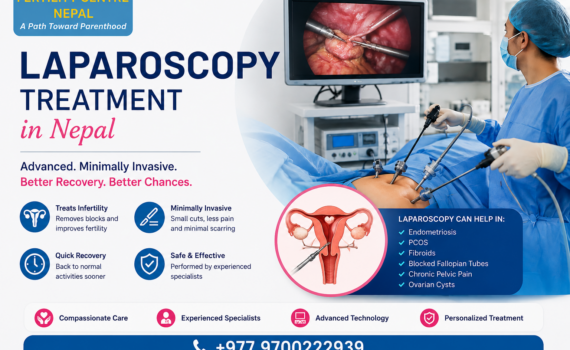
Laparoscopy treatment in Nepal

Laparoscopy treatment in Nepal

Is laparoscopic for infertility in Nepal is the right option?

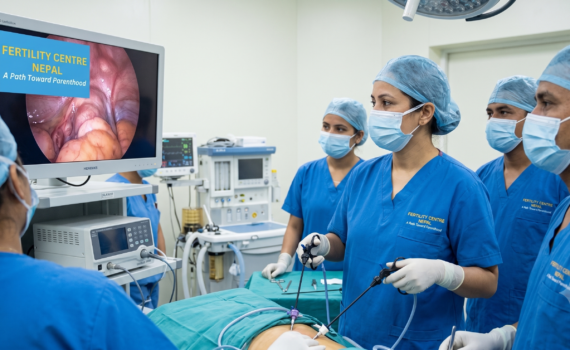
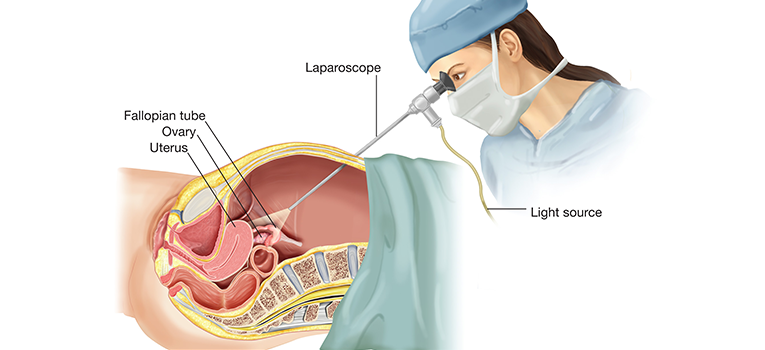
Laparoscopy treatment in Nepal performs with advanced instruments that insert inside the abdomen through a small incision. It has the best method and technique of other surgical and invasive treatments. As compared to open surgery, laparoscopy produces superior results with fewer incisions and less recovery time. It uses a telescope (device) with a camera and light that focus inside and abdomen and provide an inner view to a screen. The laparoscopy cost in Nepal is reasonable in the best centre with fairly advanced packages.

Women face many infertility conditions that affect their happiness and lives. They cannot become pregnant causes many obstacles in their families. In several situations, the internal problem does not disclose in screenings and tests. It requires the doctor to see the inner condition and find the best resolution.

Yes, Laparoscopy treatment in Nepal is the best process performed to check the inside problems of the female reproductive tract. Because doctors directly introduce a device into the female abdomen, it has more options than other treatments. If required, the surgical process can perform in the same process and does not require other invasive stages to follow again. It is the best choice for different procedures and treatments as helping for many years to remove the gallbladder with stones, hernia, and various issues.

Availability Of Laparoscopic In Nepal

Laparoscopy treatment is a surgery that is dedicated to other fertility treatments such as IVF, IUI, PGD, and ICSI treatment in Nepal. IVF or surrogacy treatment specialists have a comprehensive look at each organ inside the pelvis to diagnose all possible diseases such as appendicitis, pelvic inflammation, ovarian cancer, and other mild disease. 

It is also used for surgery to treat conditions, for instance, removing some unconditional organs such as the appendix, and gallbladder. Along with all conversations, we have also discussed Laparoscopy treatment components in afore headings, and paragraphs.

Let’s start with preconceptions on the basic keys of Laparoscopy a minimally invasive surgical technique that is used for both major aims such as diagnostic, and therapeutic purposes in several medical conditions involving infertility gynecological, and abdominal issues. 

In simple language, Doctors make small incisions usually 1-2 cm in the abdominal wall which they enter camera is called a Laparoscope, and surgical instruments are inserted into the uterus to view internal organs that should get out unwanted organs or appendix.

What Are The Actual Cost Of Laparoscopic In Nepal? – Best Laparoscopy Surgeon

Whenever the talk comes to the cost of any treatment in the medical industry, then it comes with varies depending on several significant keys. These keys define the cost of each diagnostic treatment in Nepal. 

Normally, in Nepal, the cost of Laparoscopic treatment is more affordable rather than other kinds of conceiving treatment. Nepal has now become a developing country over the worldwide. In the next section, we will try to show all the factors by which unorganized organs are removed from the uterus.

Here’s a breakdown of the cost of Laparoscopy treatment in Nepal, Let’s trigger out the below-shared points.

Diagnostic Laparoscopy Whole Cost In Nepal

In this paragraph, the balance sheet of Laparoscopy treatment cost is around INR 15,000 to INR 30,000 in Nepal. The whole treatment is typically done to diagnose conditions, for instance, pelvic inflammatory disease., or infertility issues. If we consider then, Laparoscopy treatment is more minimal treatment instead of therapeutic Laparoscopy.

The cost range for laparoscopic gynecological procedures is NPR 60,000 to NPR 120,000 for laparoscopic hysterectomy.

The uterus can be removed with a minimally invasive treatment called a laparoscopic hysterectomy. Because of its complexity and the prolonged post-operative care needed, it is more expensive.

Cost range for laparoscopic myomectomy (removal of fibroids): NPR 50,000 to NPR 100,000 The purpose of this operation is to eliminate uterine fibroids. The size and quantity of fibroids affect the price.

Treatment for endometriosis: NPR 40,000 to NPR 90,000. Endometrial tissue is usually removed during laparoscopic surgery for endometriosis therapy, and the cost varies according to the severity and degree of the condition.

Laparoscopy surgery in Nepal

Laparoscopy surgery in Nepal can give a great chance to get a successful pregnancy.

Fertility treatment in Nepal:

(a)        Budget-friendly fertility treatment cost in Nepal

(b)        IVF centre in Nepal with highly developed infrastructure

(c)        World-certified procedures and methods

(d)        Top fertility experts with advanced knowledge

(e)        Patients-centered care and treatments

(f)        Call us at +977-9808978369

(g)        Mail us at [email protected]

How does laparoscopy assist in infertility problems and increase conception possibilities?

Your fertility expert can suggest laparoscopy treatment in Nepal for various problems of the female partner to check or remove them through surgery. It can use to diagnose a different issue that can be a reason for infertility. Your conventional reproductive function is affected and facing problems in conceiving. The doctor can recommend Laparoscopic surgery in Nepal for visible problems present inside the female reproductive tract. It can use surgical tools that assist in the process and provide better results.

The following conditions can diagnose through the process:

(1) The female partner faces pain during sexual intercourse due to infertility which causes various problems.

(2) You have severe pelvic or lower abdomen pain and unbearable menstrual cramp.

(3) Your expert suspects pelvic disease or adhesion that causes infertility problems.

(4) You have heavy bleeding during the menstruation cycle reason can diagnose through the process.  

The following present issues can remove by the surgical procedure:

(1) The woman has an endometriosis condition that is abnormal tissue growth outside the female uterus. It causes various problems with infertility in women and can locate and remove with laparoscopy.

(2) It can remove any blockage or injury present inside the female fallopian tubes that affect the journey of fertilized eggs to the uterus.

(3) The scar tissues possibility in the reproductive tract or any organ that causes infertility issues can assist through laparoscopy.

(4) The female uterus has non-cancerous growth (uterine fibroid) that interferes with fertility and causes problems that can remove without affecting the uterus.

(5) Ovarian drilling can accomplish with laparoscopy to remove cysts from ovaries in PCOS (Polycystic Ovarian Syndrome) conditions and make them functional.

(6) Other abnormalities present in the fallopian tubes, uterus, and ovaries can assist by laparoscopy to diagnose and treat.

Do you have any query? Feel Free to share your query with us.

Get A Quote

What treatments are available in the best centre?

You will get various treatments for managing infertility conditions. Also, the patient can have the treatment as per their infertility problems. The expert cecks the couple’s infertility issues with different tests and recommends the top method. It will provide you with a successful pregnancy outcome and a genetic child.
The following fertility treatments are available in Nepal:

(a)  Male infertility treatments, diagnoses, assistance

(b)  Female infertility treatment diagnoses, assistance

(c)  Intrauterine Insemination (IUI)

(d)  IVF (In Vitro Fertilization)

(e)  ICSI (Intracytoplasmic Sperm Injection)

(f)  Laser-Assisted Hatching

(g) Frozen Embryo Transfer (FET)

(h) Surgical Sperm Retrieval (TESA/PESA/TESE/MESA)

(i)  Laparoscopy

(j)  Hysteroscopy

(k)  Gametes and embryo freezing

What is the laparoscopy process in Nepal?

Your Laparoscopic surgery in Nepal will depend on your infertility conditions. If you know about your infertility condition like fibroid is present in the uterine lining, the expert will recommend the surgical process that removes the abnormal growth. If you have no idea about the problem or tests are not depicting the issue, the diagnostic process will perform and check for the issue. It can remove in the same process and with no need for another to cause more cost, time, and pain.

Here following are the steps come under the laparoscopic treatment:

(1) Your doctor will prepare you for the surgery by advising you not to eat anything for seven to eight hours before the treatment. They will examine your health, including diabetes and blood pressure difficulties (BP). The medicine recommended by them or used in anaesthesia has no side on your body.

(2) General anaesthesia will use in the procedure that will make you fall asleep and not feel any pain or uneasiness during the process. After your unconsciousness, your doctor will start the process. 

(3) Your expert will make a small incision near the navel and insert a needle to inject the carbon dioxide gas into the abdomen. It causes more space for them to see the organs and perform the procedure.

(4) A laparoscope will insert inside the same cut and check for the problem present inside the reproductive tract. They can perform a biopsy to remove the tissue and identify the conditions. More than two small incisions can make on the abdomen to support the process.

(5) Your doctor will check the reproductive organs’ health and issues like fibroids, cysts, scar tissues, adhesion, or endometriosis. A dye will insert through the cervix to check the health of the fallopian tubes, which will evaluate using laparoscopy.

(6) In surgery requirements, the small surgical devices will insert through incisions. It will remove the problem present in the reproductive tract and affect conventional fertility. After the successful process, all instruments and gas will retrieve from the incision and stitches.

What has laparoscopy cost in Nepal?

Here the cost of your laparoscopy treatment in Nepal is lower than in many developed countries. People in these countries cannot have fertility treatments because of their higher costs. Being a growing country, Nepal has top procedures and centres that provide affordable treatment costs.

The price of laparoscopy treatment in Nepal is NPR 1,50,000, including anaesthesia, one-day hospitalization, and surgical process. It will fluctuate on your reason and the process requirements for the best results. The surgical method takes more time and instruments to perform the approach. After successful treatment, the surgical technique will require sedative medications for some days. It has a best procedure than other invasive surgeries because of the following aspects:

(a) It requires less time in the hospital because people recover faster and does not require several medications.

(b) It has a much lower risk for infection as no invasive process will use that will provide the best results.

(c) The scar and adhesion will reduce after surgery, taking less time to heal. You can join the standard workups in less than two weeks.

The Fertility Centre Nepal is a well-known centre for laparoscopy treatment in Nepal. It is the best place for fertility treatments in Nepal. Their highly experienced doctors and medical staff focuses on patients’ top results and root cause rather than performing the process and earning money. During the entire method, they maintain the high-class comfort and satisfaction of patients to manage the difficult journey of the individual.

Laparoscopy treatment in Nepal

What are the fertility treatment success rates in Nepal?

You can achieve the highest fertility treatment success rate in NepalFERTILITY CENTRE NEPAL has the top procedures and technologies. It helps in achieving the top outcome. Also, the best fertility expert performs the treatment. It provides better results in different conditions.

Still, your fertility treatment success rate in Nepal depends on the following factors:

(1) Age: Age is the biggest factor in conception chances. The female partner in advanced age has fewer chances. And the couple at a younger age has high possibilities. Because their reproductive system produces healthy gametes. And in advanced age, the couple’s eggs and sperm health decreases.

(2) Infertility: Your infertility conditions need the method accordingly. In severe issues, advanced and multiple procedures require. It helps you achieve a top outcome in various problems. If you choose the right treatment, the conception possibilities are higher.

(3) Treatment: Many fertility treatments in Nepal are available. This helps in the conception result of the couple. Also, their expert recommends the best method with advanced approaches.

(4) Place: You need to choose the best centre with highly advanced approaches and technologies. It will help in your treatment process and better results.

(5) Doctor: The highly experienced fertility doctor provides the best treatment. They also focus on every patient’s comfort and high satisfaction.

More about FERTILITY CENTRE NEPAL:

(a)  The well-educated and behaved medical team

(b)   Top assistance at every stage of the treatment

(c)   Extensive facilities and amenities

(d)   Highly affordable fertility treatment cost in Nepal

(e)   Call us at +977-9808978369

(f)   Mail us at [email protected]

What Do’s And Don’ts After Laparoscopy Treatment In Nepal?

Following certain dos and don’ts after laparoscopic treatment is essential for a speedy recovery, reducing the chance of problems, and accelerating healing. The main rules to adhere to following laparoscopic surgery are listed below.

Do’s After Laparoscopy Treatment In Nepal

  • Observe the post-operative guidelines:

Always heed the guidance and instructions provided by your physician or surgeon. These guidelines are customized for your particular surgery and medical condition.

  • Take it easy and rest:

In the initial days following surgery, rest is crucial. Give your body time to recover, particularly if you had an intrusive treatment. To increase blood circulation, it is advised to move around the home lightly.

  • Drink plenty of water and eat sparingly.

Staying hydrated by drinking lots of water promotes healing and helps avoid constipation. Eat light, readily digestible items first. As tolerated, gradually resume your normal diet.

Don’ts After Laparoscopic Treatment In Nepal

  • Avoid Excessive Physical Activity:

Depending on your doctor’s advice, refrain from heavy lifting, vigorous exercise, and strenuous activities for four to six weeks. This involves moving objects weighing more than five to ten pounds (two to four kg).

  • Avoid Driving Right After Surgery:

After surgery, it is usually advised to avoid driving for at least 24 to 48 hours, or longer if you are taking painkillers that can affect your ability to drive. For the first few days, ask someone to help you get home and to drive you.

  • Avoid Having Intercourse Too Soon:

Particularly following gynecological laparoscopic procedures like a hysterectomy or endometriosis treatment, you should refrain from sexual activity for at least two to four weeks or as prescribed by your physician.

We hope that all the informative bullets are mentioned in the upper case of the content. Now, read all of them, and delve to apply these during Laparoscopy treatment.

Is There Any Laparoscopy Treatment Side Affect On Mother?

Like any surgery, laparoscopy has certain possible hazards and adverse effects, even though it is usually regarded as a minimally intrusive and safe treatment. 

Certain adverse effects and difficulties can happen to women who have laparoscopies, whether they are done for fertility treatment, gynecological problems (such as fibroids or endometriosis), or other abdominal procedures. 

However, it’s crucial to remember that most of the time, the operation has fewer risks and a quicker recovery than open surgery, and the side effects are usually light and transient.

  • Abdominal pain & Discomfort
  • Bloating Or Gas Issues
  • Nausea And Vomiting
  • Any Kind Of Infection Happen
  • Scar Tissues Formation On Body
  • Injury To Surrounding Organs
  • Hormonal And Emotional Side Affects On Health

Gradually, we reached the bottom of the article, where we are winding up all the necessary keys that we have discussed in the whole content. You may also search other related articles on our official website such as www.fertilitycentrenepal.com.

 FAQs

(1) Can male infertility be manageable with IVF?

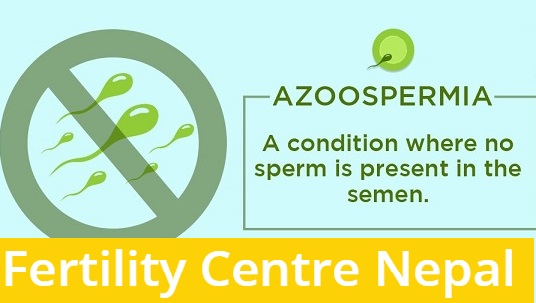
Yes, your fertility expert can recommend IVF treatment for male infertility conditions also. Because, the best IVF involves collecting the male semen sample in the lab. Then, the expert prepares it with advanced technologies and selects the highly motile and healthy sperm. It fertilizes with healthy eggs and provides top pregnancy outcomes. Also, IVF can include different advanced approaches and methods. As the top treatment for azoospermia (no sperm count), poor sperm production, abnormal sperm formation, poor mobility, etc. These conditions can manage with the advanced technologies in IVF. And you can achieve a successful pregnancy outcome.

(2) Does IVF involve any harm?

No, IVF has fewer chances of causing any harm. Because, the IVF process performs with advanced technologies and top assistance. Also, highly experienced IVF experts function in the treatment. So your chances of any problem with IVF are fewer. With it, the couple at an advanced age has higher chances of IVF process effect. Because, fertility medication, egg retrieval, embryo implantation, or other diagnoses can cause problems. As it involves a little invasive stage and affects the treatment chances also. But choosing the best process and place can help you achieve the top outcome.

(3) How to know if IVF is the best for me?

IVF is the top for many infertility conditions. As the couple can conceive their healthy baby successfully. Also, the procedure can include different stages as per your problems. With it, your expert will perform various tests and checkups. It helps to know your infertility and health conditions. And they can recommend the best method as per issues. IVF is the best option for various problems of male and female partners. As it fertilizes outside the reproductive system and under expert observation. And your expert can change for a better outcome.

(4) What can affect my IVF chances?

IVF treatment chances depend on various factors. For increasing it, you need to choose the best centre. Because their top procedures and top-notch technologies help in better chances. Still, the IVF success rates and chances are in the couple’s hands. Firstly, their age as an advanced age, they have few chances to conceive. In advanced age, their healthy eggs, and sperm production face problems. And IVF needs healthy gametes. Then, your IVF treatment because the process needs as per infertility conditions. In severe conditions, the expert suggests or performs various advanced methods. It helps in successful outcomes.

(5) What are my conception possibilities?

Well, the conception possibility with the IVF treatment is much higher. Still, it is not the same for every couple. Because, it highly depends on their age, fertility, and various factors. A successful IVF treatment needs healthy eggs and sperm. And any problem with gametes will cause issues in the successful conception. You need to have the best method for infertility conditions. Because, it will increase your pregnancy chances with the IVF treatment. Age is the most crucial factor because young women have high possibilities than women with advanced age.

Read Also

(a) How is IVF in Nepal a successful procedure?

(b) Which is the best IVF clinic Nepal?

(c) Nepal’s best IVF Clinic Biratnagar for infertile couples  

(d) ICSI Clinic in Kathmandu Where A Hope Born Every Day 

(e) Why ICSI in Nepal is the best process for a successful pregnancy?


Best IVF expert in Nepal

Find out the Best IVF expert in Nepal 2026

Category : blog

IVF treatment in Nepal

IVF treatment in Nepal is a different way of having a baby than a natural pregnancy. In a natural pregnancy, the baby is conceived after intercourse. Fertilisation is a whole process that happens when a man’s semen and a woman’s egg meet inside the woman’s body and successfully merge, and further ends in pregnancy. 

There are many stages in it, but of course, pregnancy is the last stop in this race. This is natural fertilisation; it requires no external assistance, as it occurs within the body’s reproductive system.  

However, when this so-called natural conception does not happen naturally for any reason, that’s where IVF enters the room.

Unlike natural fertilisation, in IVF treatment in Nepal, fertilisation takes place in a glass dish. Meaning the best IVF expert in Nepal takes the semen from a man and an egg from a woman, which meet in this glass dish and successfully merge to form an embryo. 

Then this embryo is kept inside an incubator, which mimics the temperature of the human female body, so that the embryo can grow fully outside the body till it is developed enough for transportation to the actual mother’s uterus. 

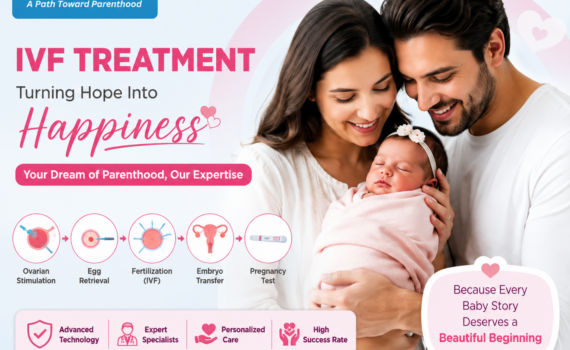
The whole IVF treatment in Nepal is called a “cycle” as it goes through several stages. There are mainly five stages: ovarian stimulation, egg retrieval, fertilisation, embryo culture/ development, and embryo transfer.  Because this is a very intricate and emotional journey, you should look for the best IVF expert in Nepal for your IVF treatment in Nepal. 

But before discussing the best IVF expert in Nepal, let’s go through the IVF treatment in Nepal. The first stage is ovarian stimulation. In this phase, the eggs are being prepared. Basically, the best IVF expert in Nepal gives women a lot of medication to produce eggs. Usually, women produce only eggs on a monthly basis. However, these medications make women produce multiple eggs at once. Additionally, experts also give drugs to curb the unnecessary release of these eggs. 

The next stage is egg retrieval. It is done after 34 to 36 hours, when the final shot is given in the first stage. Now, the best IVF expert in Nepal will actually retrieve the egg from the uterus. However, there are still things that are checked, such as hormonal levels and ovarian egg reserves. These tests are done to prevent any kind of complications during the surgery. The egg is retrieved through minor ultrasound-guided surgery called transvaginal oocyte aspiration (TVOR). This surgery is safely done in just 45 minutes, so patients can go home the same day.  In this same stage, sperm retrieval is also performed.

The next stage in the IVF treatment in Nepal is the fertilisation of gametes together. There are conventional methods and the ICSI method. In the first method, both sperm and egg meet in a small Petri dish. Whereas in the ICSI method, only a single healthy sperm is injected into the egg by the injection. 

If fertilisation methods are successful, the embryo is formed. The doctor will closely determine its status through tests and regular examinations. The next step is to transfer the growing embryo to the incubator, a special laboratory device functioning as an artificial uterus. 

The next stage is to let the embryo grow and then transfer it. 

This is the final stage of the whole IVF cycle. In this stage, the grown embryo now has to be transferred to the mother. Meaning the embryo has to shift to an actual uterus. The minor surgery is performed for this whole stage. There is a common way this is performed, which is similar to a pelvic exam.

The patient is prepared by having a full bladder. Meaning, a lot of water is advised to drink so the uterus is visible through an ultrasound. The selected embryo is inserted into a catheter, a very thin, flexible tube. This small tube is inserted inside the vagina and passes directly into the cervix’s opening. All of this is guided with the help of the ultrasound in real time. After the catheter is inserted successfully,  embryos are gently dropped inside the uterine cavity.

Success rate of IVF in Nepal

Age Group Success Rate Per Cycle
Under 35 50% to 60%
35 to 37 45% to 50%
38 to 40 25% to 35%
Over 40 10% to 15%

ivf treatment nepal

ivf treatment nepal

The success rate of IVF in Nepal is actually based on many factors, such as individual needs and how much treatment you need. But in general terms, the overall Success rate of IVF in Nepal ranges from 50% to 65% per cycle. 

Let’s go through these by two different categories: The success rate of IVF in Nepal could be measured by the age group, and it could also be measured by the kind of treatment you are getting. 

If you’re under 35, your chances of having a successful outcome are 50 to 60%. After the age of 35, it starts to deteriorate by 50% to 45%. By the time you reach 38 and 40 years of age, your chances of success have already dropped by 25 to 35%. The rates for the decline over the age of 40 are 10% to 15% when using your own eggs.

Treatment Type Success Rate Per Cycle
IVF with Donor Eggs 70% to 85%
IVF with ICSI 55% to 65%
Frozen Embryo Transfer (FET) 50%

Now, let’s go to the treatment types. There are very different types of treatment in IVF. If you are doing the IVF with donor eggs, the success rate of IVF in Nepal is 70% to 85%, because the donor eggs are usually donated or retrieved from a very young candidate. 

So the success rate of IVF in Nepal, if you actually have a child, increases by that. 

The second type is IVF with the ICSI method. IVF is done through this method when just one healthy sperm is injected into a healthy egg. The chances of IVF success in Nepal have increased from 55% to 65%, and this is also more successful than regular IVF.

The Frozen embryo transfer, also known as FET, has a 50 to 55% success rate.

Factors that affect the success rates of IVF in Nepal | best IVF expert in Nepal

There are factors which we have to consider before actually thinking about the successful treatment. Even though the success rates we have discussed with you are mentioned, there are many factors at play. One of them is what causes infertility. There are thousands or millions of things which can go wrong in your body. And they could challenge your goal to have a child. 

So doctors, when they actually do the initial consultation, they make sure to know what kind of fertility issue you’re having. If you have a blocked fallopian tube, it would depend on what kind of treatment you will get and what kind of chances you will have.

  1. For example, let’s say that you have PMOS. In PMOS, the cost of the treatment increases and the chances are low because the body of the woman during PMOS is already on a high alert mode. And during the ovarian stimulation phase, doctors might not want to actually stimulate your ovaries longer.
  2. In pregnancy history, there are studies which have shown that women who have had a successful previous pregnancy have the higher or the having a successful IVF treatment. 
  3. There is a clear difference between the pregnancy and live birth rates. The success rates which we have discussed now are the successful fertilisation and transfer of the embryo which was created in the lab. It does not mean that you would have a successful pregnancy; these are two different terms. A thousand things could go wrong after the successful embryo transfer. Maybe after 2 or 3 weeks, your body can kill the implanted embryo. So ask for live birth rates, not just success rate.  

Cost of IVF in Nepal

The cost of IVF in Nepal has changed because of inflation, updated laboratory standards, and advanced equipment. 

The previous 3,00,000 cost of IVF in Nepal has gone up to 5,00,000. All the screening and diagnostic tests take around 30,000 Nepali rupees, which cover the follicles stimulating hormonal test (FSH) and AMH testing to check ovarian reserve. It also covered basic transvaginal ultrasound, semen analysis, any infectious disease screening and the consultation fee of the best IVF expert in Nepal. 

Whereas the ovarian stimulation involves daily hormonal injections with up to 8 to 12 days to actually stimulate your ovarian follicles. Overall, you can expect 80,000 to 2,50,000 rupees.

Whereas the lab fertilisation will cost around 1,50,000.  And, for the embryo culture,  the cost of IVF in Nepal includes about 80,000 to 2,00,000, depending on how many embryos are developed. 

Embryo transfer is one of the most updated sections, which has gone upto 1,00,000 from the 80,000.

IVF Cost Breakdown in Nepal (NPR)

Stages  Cost Range (NPR)
Total Base IVF Cost 3,00,000 to 5,00,000
Screening & Diagnostics 30,000
Ovarian Stimulation 80,000 to 2,50,000
Laboratory Fertilization 1,50,000
Embryo Culture 80,000 to 2,00,000
Embryo Transfer 1,00,000

Best IVF expert in Nepal

Choosing the best IVF experts in Nepal is not a one-size-fits-all solution. Every patient has different needs, and the best IVF expert in Nepal is based on this. Such as one doctor is an expert in IVF for PMOS patients, while another is an expert in multiple failed  IVF cycles.  There is, of course, experience with your specific condition.  

Next, you should focus on the clinic’s standards and technological advancements. You should make sure the clinic has top facilities with a good, sanitised space.  

Best IVF expert in Nepal

Dr Sanu Maiya Shrestha Creator’s IVF Nepal
Dr. Usha Karki National IVF Centre
Dr. Pratikshya Pandey Vatsalya Natural IVF
Dr. Neha Homagai Indira IVF Nepal
Dr. Manisha Acharya Indira IVF Nepal
Dr. Nikita Dhakal Slavica IVF & Research Centre
Dr. Mira Thapa Angel Fertility Clinic
Dr. Anupama Suwal Venus Hospital
Dr. Neelam Sah Sishu Fertility Clinic
Dr. Silpa Panta Sishu Fertility Clinic

Best IVF doctor in Nepal

Renowned fertility specialist Dr Neelam Bhise has vast knowledge of IVF, IUI, and other fertility procedures. She is famous for handling complicated infertility problems with compassion and effectiveness; that’s why she comes first as the Best IVF doctor in Nepal. 

Dr Neha Gupta is the best IVF expert in Nepal with a solid reputation for effective care. Dr Gupta is renowned for her ability to provide individualised care and manage high-risk reproductive issues.

Leading fertility specialist Dr Gunjan Kacker is another of the best IVF experts in Nepal, focusing on assisted reproductive technologies, such as egg donation and IVF. She is renowned for her compassionate approach to patient care and outstanding fertility treatment outcomes.

Dr Deeksha Tyagi: Known for her comprehensive approach to infertility, Dr Tyagi has years of experience in reproductive medicine and is proficient in various fertility therapies.

ivf expert in nepal

ivf expert in nepal

How to choose the Best IVF specialist in Nepal

Of course, for your successful IVF treatment in Nepal, you should choose the best IVF doctor in Nepal. 

How do I choose the best IVF expert in Nepal or a specialist doctor in Nepal?

  • Verify that the doctor has the board certified certiifaction
  • Check their specialisation in IVF, ICSI, egg/sperm donation, or fertility preservation.
  • Ask how many years they’ve been practising IVF.
  • Request clinic-specific success rates (adjusted for age and procedure type).
  • A good doctor will usually be associated with a reputable, regulated clinic.
  • Higher success with complex cases is a good sign for the IVF success rate in Nepal.
  • Ensure the clinic is certified by authorities like NABL, ISO, JCI, or country-specific boards.
  • A good doctor tailors the treatment based on your medical history, hormone levels, lifestyle, and emotional readiness. It will increase your chances of IVF success in Nepal.
  • Read verified reviews on Google, Practo, WhatClinic, etc.
  • The right doctor should explain every step clearly and answer all your questions without rushing.
  • Compassion, honesty, and empathy are signs of a good practitioner.
  • Avoid one-size-fits-all solutions.
  • Choose someone you can easily reach during emergencies.
  • Ask for patient success stories, if possible.
  • The doctor should have a team of skilled embryologists, counsellors, and nurses.
  • Check for in-house labs, cryopreservation units, and backup support.
  • They should be available for in-person or online follow-ups throughout the cycle.

Which hospital is best for IVF

Fertility Centre Nepal is a chain of fertility clinics that aims to provide the best possible infertility treatments and their related services across Nepal. It has been providing its services across Nepal in prominent cities like Kathmandu, Biratnagar, Nepalgunj, and Kathmandu for a long time, making the patients feel satisfied with the treatments and thus making the team also feel satisfied to deliver the best results, which is the main motto of the FCN. 

IVF is a life-changing journey for couples or individuals who are struggling with infertility, and you must choose the right clinic for a successful and safe experience. Fertility Centre Nepal is one of the leading names in Nepal’s IVF field. They provide world-class services and person-to-person care for the intended parent. 

Fertility Centre Nepal has a team of highly experienced IVF doctors who come into the list of best IVF doctors in Nepal. Not only this, they have very advanced technology and facilities. In Nepal, IVF is not just a medical treatment; it is also a matter of the state and the court. Fertility centre Nepal actually assures complete compliance with Nepali law, and they include proper documentation and any kind of contracts.

Best embryologist in Nepal

Embryologist Experience / Achievements
Dr. Ram Prakash Senior Lab Director at Angel Fertility Clinic (Kathmandu) & Max Super Speciality Hospital (India); certified clinical embryologist trained at Kasturba Medical College, BACC Bengaluru, and Embryotools (Spain); 12+ years in ART, 8,000+ IVF cycles and 1,000+ embryo biopsies; has trained 100+ embryologists globally
Dr. Suresh Thapa Senior Clinical Embryologist at Nova IVF Fertility (Kathmandu); Master’s in Clinical Embryology, with specialised training at international ART laboratories in Singapore and India; 7+ years of experience in IVF, ICSI, and embryo culture techniques; certified by international reproductive medicine boards and active member of global fertility societies
Dr. Rohan Shrestha Lead Embryologist at Kathmandu Fertility Centre; highly experienced in advanced ART procedures, including blastocyst culture and embryo freezing; trained in multiple international fertility institutes; recognised for maintaining high success rates in IVF cycles and ensuring safe embryo transfer procedures
Dr. Anisha Karki IVF Specialist & Embryologist at Nepal International Fertility Centre; skilled in handling advanced laboratory technologies and modern reproductive techniques; experienced in managing complex infertility cases with precise lab procedures to ensure optimal fertilisation outcomes
Dr. Neelam Bhise At Acme Fertility Centre in Mumbai, Dr Neelam Bhise offers their meticulous medical services to all, like fertility treatment. She has completed their education or degrees from international colleges or medical institutes. She passed their MBBS or MS in obstetrics in 2005 to 06 to provide the relevant care. An infertile couple can go to her clinic for a personalised meeting or consultation.

.Best IVF doctor in Kathmandu

If you have any difficulties conceiving naturally due to infertility, you can visit an IVF clinic in Kathmandu, Nepal, for the best solution for your infertility factor. All infertile couples are aware that the Fertility Centre Nepal is one of the best fertility clinic which can give patients the chance to patients, have their own baby.  

The fertility experts at the Fertility Centre Nepal,  are well-educated and experienced best IVF doctors in Kathmandu. They are not making money out of you. Their main focus is to maximise the chances of your successful pregnancy at a low cost. 

The best IVF expert in Nepal, here at the Fertility Centre Nepal, will first examine the exact cause of your infertility, and accordingly, they will plan your fertility treatment, which gives you the best possible outcome.

The fertility treatment is designed for couples who are not able to conceive naturally due to the following factors:

  • Blocked fallopian tubes
  • Ovarian failure
  • Unexplained infertility
  • High consumption of alcohol
  • Low or poor sperm count
  • Abnormal shape of sperm, which results in poor mobility
  • Sperms are not present in semen
  • Age over 35 years in the case of women and 38 years in the case of men.
  • Repeated history of miscarriages

Fertility Centre Nepal can help you at every stage. Since Fertility Centre Nepal has the topmost procedure for various issues. Moreover, our experts have the top experience. And they perform treatments with the utmost care. So, every patient can receive the best treatment. Fertility Centre Nepal’s treatment charges are much more affordable. You can have top assistance for paying the expenses. These help with budget-friendly charges. So, you have the best process and results.

Nepal IVF and Fertility Centre Pvt. Ltd

Available treatments and services 

  • Standard IVF cycle
  • Donor programs
  • Egg freezing
  • Antenatal care
  • ICSI
  • Infertility
  • Cost transparency

Indira IVF Nepal: Indira IVF Nepal reviews

Indira IVF Nepal clinic is situated in Panipokhari, Kathmandu. It is the first international branch of the extensive Indira IVF India network. The patient has left many good positive reviews about it. Especially about the specialists like Dr Manisha Acharya and Dr Neha Homagai.

Patients have already been choosing Indira IVF because it has been a mainstay in the field for more than 20 years, and it has brought comfort and familiarity to the patients. Not only this, but they have also advanced laboratory infrastructure, including closed working chambers.

Closed working chambers are the environmental laboratory spaces which actually handle the protected embryos from the outer environment. Not only this, but they also have the first IVF clinic in the whole of Nepal to actually get the quality and the accreditation institute certificate.

And patients have left the review with the same, that is, they do not have to actually travel from one location to another; they just have to get all the things done in just one location, which is the best feature of Indira IVF Nepal.

Vatsalya IVF Nepal

Vatsalya Natural IVF clinic is one of the best IVF clinics in Nepal. It is right now established in Kathmandu. Kathmandu is one of the most prominent and medically advanced states in Nepal. Vatsalya Natural IVF has been recognised as one of the most famous IVF clinics in Kathmandu.

Let’s go through the features and services it has been providing to its patients all along. The clinic has a very complete and broad category of assisted reproductive technology, including in vitro fertilisation, also known as IVF, and IUI (intrauterine insemination). They also offer the ICSI (intracytoplasmic sperm injection) method. Additionally, they have services like egg and sperm freezing and laser-assisted hatching. 

They have a huge team, and their senior reporter is especially for exports in this field. Vatsalya Natural IVF Clinic actually offers treatment for both male and female infertility factors. Their reviews are actually on the positive side. The patients and all the people who have taken treatment from there cleanliness, supportive and empathetic nature and approach.

Vatsalya IVF cost in Nepal

The average and approximate cost breakdown at Vatsalya Natural IVF in Nepal is that the hormonal injections and the stimulation medications range from 30,000 to 50,000 Nepali rupees. 

These are not the actual prices; these are the approx cost at Vatsalya IVF in Nepal. Ovarian stimulation, a key aspect of the IVF treatment, is one of the most costly aspects of the whole treatment, accounting for about 30% of the total treatment cost. With the whole standard according to the official website of the Vatsalya natural IVF hospital, their fresh IVF cycle clinic per cycle cost is between 3,30,000 and 5,00,000 lakh Nepali rupees.

With the advanced procedures like with the ICSI it, you can add 50,000 to 1 lakh extra in you Vatsalya IVF Kathmandu Cost package.  And if you’re opting for Frozen embryo transfer, you have to spend about 80,000 to 1,50,000 Nepali rupees. 

If you just want to freeze your embryo, it will cost you around 30,000 to 60,000 at the initial phase. If using a donor egg program, the donor egg price ranges between 4,10,000 Nepali rupees and 500,000 Nepali rupees. In many IVF cycles, genetic screenings like PGD and PGS are done for 80,000 NPR to 1,50,000 NPR.

Frequently asked questions

  1. Is IVF legal in Nepal?

Yes, IVF is legal in Nepal, but it’s regulated and must be offered only by officially licensed centres approved by the Ministry of Health and Population (MoHP). Nepal’s current regulations allow IVF, ICSI, and egg/sperm donation for married couples. Also, surrogacy is banned, and there are no clear laws governing aspects such as donor anonymity, commercial fees, or offspring tracking.

While many clinics offer IVF services, most are not registered or certified by the health ministry. Patients are advised to choose only those clinics that follow the government’s safety and ethical standards. IVF services allowed in Nepal include:

In-vitro fertilisation (IVF)

ICSI (Intracytoplasmic Sperm Injection)

Egg and sperm donation (within limits)

  1. Who needs the IVF treatments?

There are a few reasons about who needs the IVF treatment in Nepal.

  • Blocked/damaged fallopian tubes.
  • Endometriosis
  • PMOS
  • Advanced maternal age
  • Ovarian reserve is small
  • Very low sperm count
  • Poor sperm movement
  • Abnormal sperm shape
  • Azoospermia
  • If you want to prevent the genetic disorders
  • Unexplained infertility 
  1. How can I increase my chances of successful IVF? 
  1. Eat the Mediterranean diet.
  2. Maintain a healthy weight and height ratio. 
  3. Low-impact exercises
  4. Have  a sleep
  5. Manage stress
  6. Avoid smoking and alcohol

The myths of Sperm Donation -Fertility Centre Nepal

Category : blog

Sperm Donation in Nepal: Common Myths and the Facts You Should Know

Sperm donation can play a role in helping people and couples who want to have a baby but need donor sperm. There are many wrong ideas and fears about sperm donation that often stop people from getting the right information.

At Fertility Centre Nepal we think it’s important to know the truth. When you understand the facts you are better able to make choices about your fertility journey. In this blog we take a look at some of the most common myths about sperm donation, in Nepal.

Sperm donation typically involves the provision of sperm by a healthy heterosexual man to a sperm bank or fertility clinic for the purpose of artificially inseminating a woman who is not his sexual partner. Most recipients of donor sperm are heterosexual couples dealing with male infertility, lesbian couples and single women. Sperm donors get paid for their samples, but there are numerous qualifications to meet before a sperm bank or fertility clinic accepts the donor as a client.

Bring sperm donation up in conversation and it will almost certainly be met by sniggers. You can almost see the mental image forming in the person’s head : overweight, sweaty perverts in a grubby room somewhere. It’s not like that at all. Whatever the individual sperm donor’s sexual predilection may be, it has nothing to do with why they’re donating. We’re donating because we want to help. Some of us have personal reasons.

What Is Sperm Donation?

Myths Sperm Donation

Myths Sperm Donation

Sperm donation is a process where a healthy male donor gives sperm to help people or couples who are trying to have a baby. The donated sperm is used in fertility treatments like insemination (IUI) or in vitro fertilization (IVF). The choice of treatment depends on the situation of the person or couple seeking help.

The American Society for Reproductive Medicine (ASRM) says that sperm donation can be an option when there are serious issues with sperm like very low sperm count or no sperm at all. It may also be used when there are concerns or when a woman is pregnant without a male partner.

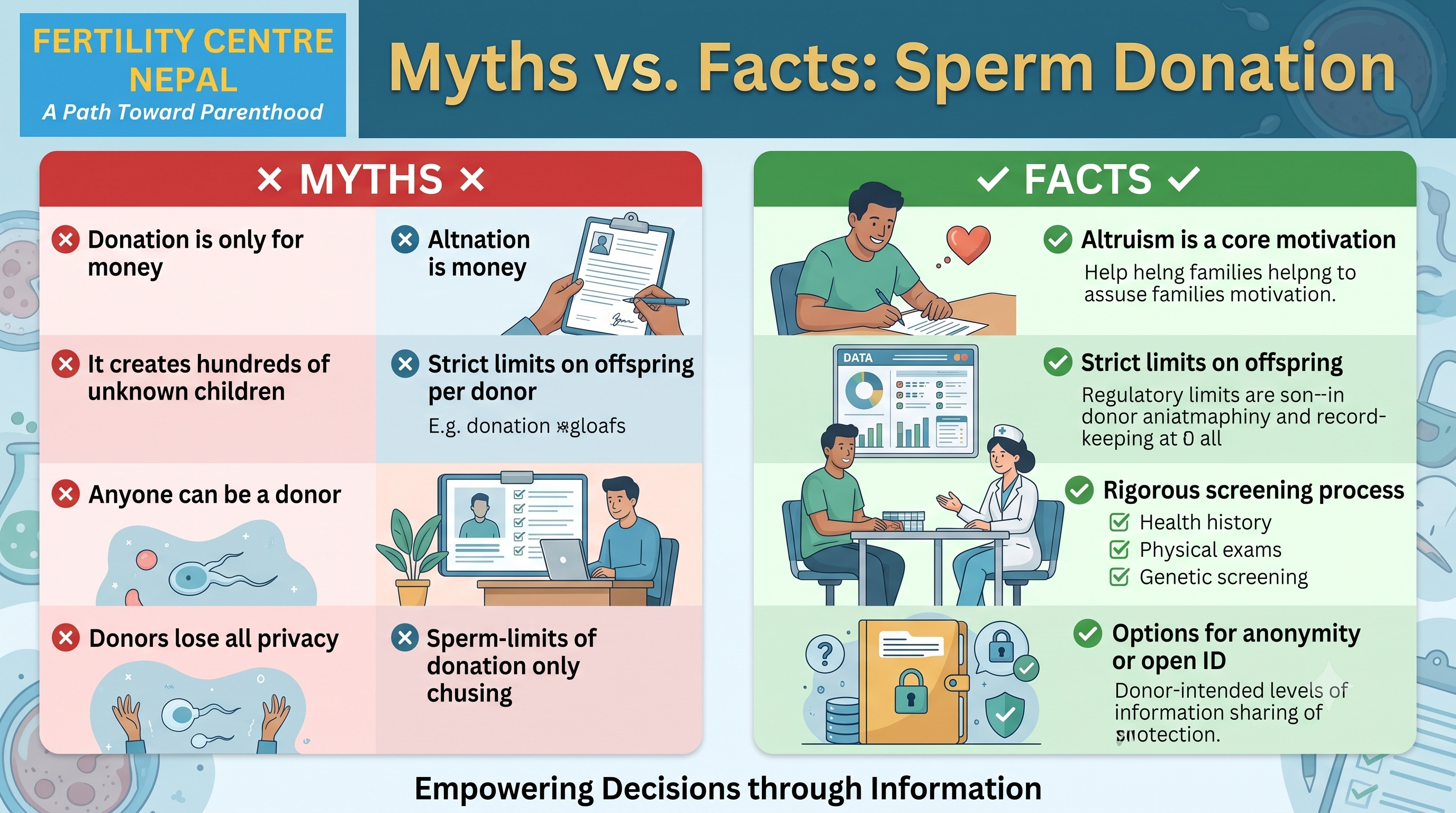
It’s important to know that donor sperm is not just collected and used away. Reputable sperm donation programs follow rules. They check the donors history do physical exams test, for infections and look at genetic risks. These steps are all part of a screening process. The goal is to make sure the sperm is safe and to lower the risk of passing on diseases or health problems.

Basically there are three kinds of people who are looking out for your sperm.
1. Straight Couples Facing Infertility – If a married couple is not able to procreate because of infertility or other medical reasons then they look out for sperm donors.
2. Single Women – Second category is of single women. These women don’t want to get married but they want to experience parenthood so they seek sperm donors.
3. Lesbians Couples – The third interesting group of people that seek sperm donors are lesbians couples. Two women are married to each other and they want a baby then they look for sperm donors.

You may undergo some test before donating sperm. You should be free of diseases. You’ll also have to provide details about your family members. Your lifestyle will also be analyzed. The authorities will check your family history for chronic and genetic diseases. In case you are likely to have an inherited disease, you’ll be rejected. You will be given a request form for your tests. These tests are required as part of the routine screening process necessary to donate sperm. You will need to get the tests completed so the results are available at your medical check-up. You are also required to provide urine samples throughout the donation process. Any results from your medical check-up and blood tests will be given to you by your specialist or fertility coordinator.

The required tests are:

Donor: HIV, hepatitis B and C, syphilis, Human T-lymphotropic Virus (HTLV) 1+2, cytomegalovirus (CMV), cystic fibrosis, karyotype, blood group, Fragile X syndrome (FXS), spinal muscular atrophy, thrombophilia and full blood count.
Urine testing: chlamydia and gonorrhoea.
Semen tests: M/C/S.
Donor partner: HIV, hepatitis B and C, syphilis, HTLV 1+2 and CMV.

Clinics and donors alike are essentially standing for personal choice. The Success rate of the pregnancy by using sperm donation is depending on the many factors like age and health of the recipient. The success rate also depends on the donor sperm count if the sperm count is good chances of getting pregnant are more.

What Should You Ask Before Choosing Donor Sperm?

IVF nepal

IVF nepal

Before proceeding patients should have an opportunity to ask questions about donor screening, donor testing donor infectious‑disease testing, donor semen quality, donor identification and information policies, donor storage and transportation donor treatment options, donor consent, donor costs donor legal considerations and donor future medical information and updates. I have spoken with families who say that knowing these details helps them feel confident about the donor they choose.

Donor screening

Genetic testing

Infectious‑disease testing

Semen quality

Donor identification and information policies

Storage and transportation

Treatment options

Consent

Costs

Legal considerations

Future information and donor updates

The importance of ongoing donor information is also illustrated by established sperm banks. Fairfax Cryobank for example has a donor medical‑status system through which clients can receive information when a donor’s medical status changes.

Sperm Donation in Nepal: Choose Information Over Myths

The internet can give information but it can also spread confusing or wrong ideas. Questions about redheads giving blood gingers giving plasma egg donation and hair color and sperm donor payment often get mixed up even though these are medical topics.

The important thing is simple: being a sperm donor depends on medical, genetic, reproductive and program rules—not on internet myths about hair color or looks.

At Fertility Centre Nepal, people and couples thinking about using donor sperm can talk about their fertility issues with trained doctors. Learn about the treatment options. Whether donor sperm is right for IUI, IVF or another fertility treatment should be decided through a medical check.

If you are looking for a sperm bank near me, in Nepal it is important to make sure the service follows medical checks, tests, storage, consent and record keeping procedures


Laparoscopic in Nepal

Laparoscopic in Nepal – Fertility Centre Nepal

What is laparoscopy in Nepal?

Laparoscopy is the procedure to examine the internal issue of the abdomen. The problems can treat through laparoscopic surgery. It will perform through the doctor in the centre or the expert’s office. For many years, it is helping in treating gallbladder surgeries successfully. It is very successful in various infertility issues of women. Through the process, experts diagnose the internal uterus, ovaries, and pelvic problems of females that can treat with the surgery at the same time.

The laparoscopic surgery cost in Nepal is fair than in developed countries. Its process does not cause severe scars or wounds that take more time to recover.

Many people are infertile and trying for many years and cannot become parents. Patients from different countries prefer Nepal because of affordable infertility treatments and high success rates. In Nepal, numerous clinics offer cost-effective surgeries using the most up-to-date technologies and best practices. Laparoscopic surgery in Nepal is successful in treating various issues.

Which problems can assist with laparoscopic surgery in Nepal?

Laparoscopic surgery is helpful in various infertility issues of females. It does treat other conditions such as Gallbladder Stone surgery, intestine, liver, and other organs problems. In the early years, surgeries performed with the high invasive cut cause excessive wounds and take many recovery days.

Your doctor may recommend this procedure to detect or treat disorders that cause infertility in the female reproductive tract. It can find or treat the following infertility problems of females:-

  • Endometriosis:- It is the condition of growing tissues outside the uterus that affect the endometrium. It can grow in the fallopian tubes, ovaries, and intestines, causing infertility and disrupting the reproductive process. Other issues may arise, such as irregular menstruation and heavy bleeding, severe pelvic pain, and so on.
  • Fibroids:- It is a common issue among women after 35 to 40 years. Infertility causes by an abnormal development that develops inside the female uterus. Women face infertility, irregular and heavy periods bleeding, and pelvic pain.
  • Blocked fallopian tubes:- Healthy tubal system requires in the successful conception of partners. It helps eggs travel into the uterus. Due to any obstruction or injury, it damages and causes infertility in females.
  • Abnormalities:- Various unexplained problems such as abnormal bleeding, spotting, lump-like feeling, and severe pelvic pain can diagnose through the process and can treat also.
  • Severe bleeding and pain:- Many females face severe menstruation bleeding or pain during it but cannot find the reason so, your expert can recommend the process to diagnose and treat it.    

What is its procedure in Nepal?

https://fertilitycentrenepal.com/laparoscopic/

The laparoscopic surgery in Nepal accomplishes by your expert in the clinic. It will perform with a less invasive process after that, the person will recover in a few days and does not anyone health as much. Its process scar heals faster and does not cause significant issues in operative surgery. It will perform with the latest technologies and advanced methods. The following are steps of the procedure in Nepal:-

  • Your doctor will use general anaesthesia for the numbness of the body and, you will not feel any incision feeling or pain during the process.
  • It will start by making an incision near the belly button and injecting carbon dioxide gas inside the incision. It will help expand the space and have a better view of organs.
  • Your expert can make more incisions to insert other surgical instruments inside to treat the pelvic conditions.
  • The specialist will put a laparoscope with a light and a camera into the abdomen through the incision. It will send clear images to the monitor near the expert.
  • Your expert will evaluate pelvic conditions and abdominal organs to locate the issue. They will check fibroids, endometriosis, cysts, scar tissue, fallopian tubes, and adhesions.
  • If surgery is necessary, your specialist will place surgical devices inside the same wounds and address diseases.
  • All tools will retrieve back by the expert and, the cuts will stitch to cover and bandage after removing the CO2 gas from inside the female abdomen.

What has laparoscopy surgery cost in Nepal?

The laparoscopic surgery cost in Nepal is more affordable than in well-developed countries. It is much more expensive in industrialized countries, such as the United States, the United States of America, and Canada. Your laparoscopic surgery price in Nepal will depend on various factors. It will increase by the purpose of the process.

Many patients select the process to examine issues causing difficulties. During it, the problem needs to remove that will perform through surgery. Your expert will perform the surgery through the same incision that will not require another process. It will increase the cost as the surgical instruments will use in the process.

The cost of laparoscopic surgery in Nepal ranges from NPR 1,50,000. It will include the charges of anaesthesia, hospitalization for more than one day, surgical instruments, etc. Its process is less invasive than providing better results at the best cost.

Why select the best centre in Nepal?

FERTILITY CENTRE NEPAL is the best laparoscopic clinic in Nepal. Many people from different countries select the centre in Nepal for the costs of their affordable treatment. Multiple approaches for infertility treatments and assisting several conditions are available. It has provided successful procedures that have helped many partners in conceiving.

Your treatment will perform by the best laparoscopic surgeon in Kathmandu. It has top experts and doctors that help patients at every step. Their entire medical team has highly experienced and certified for fertility treatments. They offer affordable laparoscopic surgery costs in Nepal.

You can have various best services and facilities during the treatment process that help in high comfort and satisfaction. It is the best centre for laparoscopic surgery in Nepal with the latest technologies and advanced methods. All procedures accomplish for the high success of partners and to have better results. Through FCN, many infertile couples are now happy parents.


infertility treatment in nepal

IVF Cost in Nepal – Ease the fertility treatment for infertile couples

IVF Cost in Nepal

The IVF Cost in Nepal depends majorly on the age of the women which is one of the very important factors which affects the success rate of pregnancy. A woman under age of 35 years is more fertile than the woman over the age of 35 years because as she grows older she requires the high dosage to stimulate her ovaries and sometimes the eggs she produces is of bad quality which of no use.

Two IVF cycles are always expensive than one IVF cycle. If you are unable to achieve the successful result in one cycle then you have to go for the second one to achieve the successful results. Most of the women have undergone for more than two IVF cycles to achieve the goal of having their own baby.

If in case alone is not able to give you the successful result then you can opt for IVF with an egg donor, IVF with surrogacy, IVF with PGD or IVF with FET (frozen embryo transfer) this will increase your basic IVF Cost in Nepal, however, also increase the chances of successful pregnancy.

IVF Cost in Nepal before IVF Cycle

The IVF Cost in Nepal before IVF cycle includes the following:

  • Initial Visit: Initial visit means to meet up with the fertility expert who will review your case and examine the exact cause of your infertility by using tests and scans. Your initial visit also includes a consultation with financial experts to review the IVF Cost in Nepal, financing options etc.
  • Sonohysterogram: It is an ultrasound procedure which will detect if there are any abnormalities inside your uterus which can affect the pregnancy.
  • Trial Transfer: This is also an ultrasound procedure where your fertility expert will place a tiny catheter inside your uterus to determine the length and the direction of your uterine cavity before they begin with IVF cycle.
  • Semen Analysis: This is done especially to check the volume and the sperm count of the male member, in case if they require the advanced treatment such as ICSI for successful fertilization.
  • Semen Culture: This is done to identify in case any bacteria is existing in the semen which can affect the success of IVF treatment.
  • FSH Level: FSH means Follicle Stimulating Hormone which is present in women body and this test is done by the blood draw, basically on the second or third day of the periods. This test provides an indirect indicator of egg quality.

IVF Cost in Nepal is divided into 3 categories:

Pre- Existing Expenses:

  • Complete IVF/ ICSI procedure
  • Egg Pick-up
  • Airport Transfer
  • Doctor’s fee
  • Blood tests, scans, male and female blood investigation

IVF Cost in Nepal per IVF Cycle:

  • Lab charges
  • Before and after counseling
  • Consultation with IVF expert
  • Only standard medicines

Note: IVF Cost in Nepal only includes standard medicines. The medicine which requires stimulating ovaries will cost you extra.

Advanced IVF Cost in Nepal:

If you need the advanced treatment with advanced diagnoses than the basic IVF Cost in Nepal will increases accordingly.


book an IVF consultation in Nepal

How can I book an IVF consultation in Nepal in 2026?

IVF in Nepal

What is IVF? How is IVF different from an actual pregnancy? Do I have to get tested for IVF? People have many questions about IVF in Nepal. Like, is it even worth it? Yes, it is, especially in Nepal. Nepal has quickly become the top destination for IVF for Nepali citizens and those from abroad. 

In this ordeal, the biggest question people have is how to book an IVF consultation in Nepal, or how to even start the IVF process in Nepal. It is a very daunting process, especially for first-time parents. 

In this article, we will discuss everything, from the IVF process in Nepal, how it is done, what it costs, and how to book an IVF consultation in Nepal with the best IVF centre in Nepal. 

IVF means In Vitro Fertilisation, meaning fertilisation which takes place in a glass dish or a lab dish. The whole treatment of IVF is called a cycle. There are various stages in this treatment. IVF is a one-time treatment; you should expect at least one month of the whole treatment for one month. This month, there are different stages. Those stages are decided by the type of treatment you are choosing. Although IVF is a basic process of lab fertilisation of gametes, extra-like types of fertilisation, such as how many embryos are produced, are based completely on patients’ demographics. 

Why on the patient‘s demographic? The thing is, IVF in the first place is chosen by patients because of infertility. Now, infertility can be caused by many things, such as male infertility and female fertility.

Factors like the uterine lining in women, not being thick enough, can be problematic, whereas low sperm count in males can cause infertility. These factors can entirely change the route of your treatment. These also affect the cost of the treatment. Now, what is the treatment of IVF in Nepal? 

Five basic stages of IVF in Nepal

  • Initial consultation: This stage is basically all the important tests that should be done so doctors can know the status of the reproductive system. Below is the list of all the tests.   
  • Ovarian stimulation: Usually, women produce only eggs every month, so during this phase, doctors prescribe the medication to women to encourage their bodies to produce more than one egg. In your IVF costs in Nepal, most of the money goes into this phase’s medications. 
  • Egg retrieval: Now, in this phase, the egg is supposed to be retrieved from the body through a minor surgery called transvaginal oocyte retrieval (TVOR). IVF charges in Nepal include the charges of the small surgery, which typically range from Rupees 45,000 to Rupees 1,00,000. However, you must notice that the charges for this surgery vary from one location to another. 
  • Fertilisation & Embryo culture: Sperm and egg are fertilised together in the lab. There are two ways this is done: ICSI and conventional methods. The ICSI method is the most expensive type of procedure compared to conventional methods. Due to this, your IVF charges can increase significantly. If fertilisation methods are successful, the embryo is formed. The doctor will closely determine its status through tests and regular examination. As in most cases, the fertilised embryo will be moved to the incubator. Most clinics include the incubator fees in their packages. 
  • Embryo transfer:  Next is the transfer of the newly fertilised embryos through a small surgery. IVF charges in Nepal include the surgery’s cost. Such as FET (frozen embryo transfer), single embryo transfer, and multiple embryo transfer. The cost of the charges will be based on the type of transfer you opt for or your doctor suggests.

Why should you choose IVF in Nepal?

  1. You should consider the IVF treatment in Nepal because all the tests and all the procedures are done at the same destination, so you do not have to travel from one place to another for different stages of IVF.
  2. The second reason is that Nepal actually has top counselling sessions for a better process of the whole IVF treatment. All the IVF clinics in Nepal offer the best treatment packages, and they have the best guaranteed results too.
  3. The affordable cost of IVF treatment, considering the comparative design window of Western countries. And Nepal also has the highest success rate for IVF in the whole world. An IVF cycle in Western countries costs between 15000 and 15000, whereas if you’re seeking it in Nepal itself, you will have something like $2000 to 4000, which would be approximately 3 to 5 lakhs of Nepali rupees. 
  4. One of the best features is that patients from Nepal or any regional country do not need a passport.  For Nepalese citizens, no passport requirement; only an Aadhaar card and a voter ID card are sufficient. The city is just 6 km from their international border, which they share with Bihar. You don’t even have to take an airplane; take a train to Jogbani, and you are at the top fertility clinic in Nepal within 20 minutes. And there are no language barriers.

Best doctors in IVF in Nepal

Renowned fertility specialist Dr Neelam Bhise has vast knowledge of IVF, IUI, and other fertility procedures. She is famous for handling complicated infertility problems with compassion and effectiveness; that’s why she comes first as the Best IVF doctor in Nepal. 

Dr Neha Gupta is the best IVF expert in Nepal with a solid reputation for effective care. Dr Gupta is renowned for her ability to provide individualised care and manage high-risk reproductive issues.

Leading fertility specialist Dr Gunjan Kacker is another of the best IVF experts in Nepal, focusing on assisted reproductive technologies, such as egg donation and IVF. She is renowned for her compassionate approach to patient care and outstanding fertility treatment outcomes.

Dr Deeksha Tyagi: Known for her comprehensive approach to infertility, Dr Tyagi has years of experience in reproductive medicine and is proficient in various fertility therapies.

Specialist Name Clinic Name Detailed Location
Dr Sanu Maiya Shrestha Creator’s IVF Nepal 3rd Floor, Anu Books Store Building, Satdobato, Lalitpur
Dr. Usha Karki National IVF Centre 4th Floor, Jyoti Bhawan, Kantipath (Jamal), Kathmandu
Dr. Pratikshya Pandey Vatsalya Natural IVF Narayanchaur, Naxal, Kathmandu (Branch also available in Bhaktapur)
Dr. Neha Homagai Indira IVF Nepal 3rd Floor, IME Complex (Adjacent to Global IME Bank), Panipokhari, Kathmandu
Dr. Manisha Acharya Indira IVF Nepal 3rd Floor, IME Complex (Adjacent to Global IME Bank), Panipokhari, Kathmandu
Dr. Nikita Dhakal Slavica IVF & Research Centre Maharajgunj, Kathmandu
Dr. Mira Thapa Angel Fertility Clinic Chundevi, Kathmandu
Dr. Anupama Suwal Venus Hospital Mid-Baneshwor, Kathmandu
Dr. Neelam Sah Sishu Fertility Clinic Bharatpur (Chitwan) & Ghorahi (Dang)
Dr. Silpa Panta Sishu Fertility Clinic Bharatpur (Chitwan) & Ghorahi (Dang)

Best IVF clinic in Nepal

Fertility Centre Nepal clinic is the top choice for any couple seeking IVF treatment. It is headquartered in Nepal. But do not let its location change your choice, because it has many connections and treats patients from abroad. It has been in the Field of assisted reproductive technology for more than a decade. More than 8000 successful pregnancy cases.

The IVF charges in Nepal include one IVF cycle with partners eggs and sperm. It provides pregnancy results if the couple’s gametes and reproductive health are average. They have fewer chances of poor health and fertility status. Their IVF treatment can face multiple failures that affect the IVF charges in Nepal. Your expert can suggest advanced IVF treatment or various approaches in the process for successful outcomes. 

Many procedures are available to assist with different infertility conditions in IVF to help couples become parents. Our highly experienced and certified experts will suggest the best process according to your requirements and a budget-friendly approach. 

At the most affordable prices 

The IVF procedure cost in Nepal comes under the price bracket of NR 3,14,862.57 to NR 3,81,651.60. Your price may go up if the couple decides to undergo advanced fertility treatment due to their severe infertility issue. The fertility expert will harvest your eggs in the fresh cycle. They will monitor the period of ovulation-inducing medications. After that, they mix your eggs with fresh sperm.

The mentioned price range for IVF treatment in Nepal includes the Initial consultation with the fertility expert, complete IVF/ ICSI cycle procedure, Blood tests, ultrasound scans, male and female blood investigations, Egg pick-up and embryo transfer, and the fees of your fertility expert/embryologist. 

How can I book an IVF consultation in Nepal?

Let’s go through the way in which you can book an IVF consultation in Nepal.

  1. Research the market thoroughly for the best IVF centre in Nepal: First, you have to choose a very good clinic for yourself. So it actually starts with doing the very thorough market research for the best IVF centre in Nepal. Right now, the top-tier clinics in Nepal for IVF are located in Kathmandu, Lalitpur, or Pokhara. 
  • Select the best IVF clinic for yourself: There are many top-tier clinics, such as Vatsalya Natural IVF, Fertility Centre Nepal, and Creators IVF. These three clinics come into the top 10 best IVF centres in Nepal. Below we have the things you should consider before choosing the best IVF centre in Nepal to book a consultation in Nepal.  
  • Contact the clinic: The next step is that you have to actually go to that clinic’s official website and search for their contact us page. On that page, you will have all kinds of links from which you can actually book an IVF consultation in Nepal. There are ways, such as phone or WhatsApp, or you can also submit online forms. 
  • Keep your previous medical records ready: Before actually book an IVF consultation in Nepal, you should schedule your date and keep all of your previous medical history reports with you in a chronological order. This includes everything from any kind of injury/treatment you had as a child to previous fertility treatments. 
  • Attend the consultation

Things to consider:

  • Location: The first thing you have to consider for book an IVF consultation in Nepal is the location. For example, Kathmandu is a top choice for any patient to select for IVF; however, you can also choose regional centres, which exist in Pokhara, Chitwan, and Dang. They are very good. They are specifically outside the capital so that they actually serve the patient because Kathmandu is a very crowded place. They are a good alternative ot provide the best services at a lower price, so book an IVF consultation in Nepal.
  • Timeline: when you book an IVF consultation in Nepal, it could be scheduled for about 1 to 2 days; however, still check your schedule for the timeline. 
  • Cost: Another thing is that, like some clinic costs first consultation fee while others do it for free, you should always check. 

What things should I keep in mind to book an IVF consultation in Nepal?

Things to consider that determine which is the best clinic for you to book an IVF consultation in Nepal

  • Legal considerations:
  1. The clinic is registered legally
  2. Donor registrations:(donor age bracket, consent form, and confidentiality)
  3. Latest govt rules regarding the financial subsidies: (10% of fertility services are free of cost)
  • Personal considerations:
  1. Go with your gut feeling: (There are days when you should just trust your gut feeling, see how the staff treats you)
  2. Ask your clinic whether they provide the EMI options when you book an IVF consultation in Nepal.
  3. If you have any genetic abnormalities (ask for the PGT or karyotyping)
  4. Multi-cycle cost-effectiveness
  5. Avoid the doctors who actually just do batching of the patients together)
  6. Read the verified reviews from the patients 
  7. The Best doctors will patiently review your profile
  • Technical consideration:
  1. Advanced lab technology (always check that the clinic you are choosing has that advanced  lab technology)
  2. The doctor has a qualification and experience
  3. Real success rate V/S actual live birth rates: There is a clear difference between the pregnancy and live birth rates. The success rates that we have discussed now are the successful fertilisation and transfer of the embryo that was created in the lab. It does not mean that you would have a successful pregnancy; these are two different terms. A thousand things could go wrong after the successful embryo transfer. Maybe after 2 or 3 weeks, your body can kill the implanted embryo. So ask for live birth rates, not just success rates. 
  4. Transparent financial cost
  5. Quality and legal compliance
  • Things to avoid:
  1. Avoid pop-up camps
  2. Avoid the doctors who are one-size-fits-all 
  3. Avopid doctors who never show up except for the consultation 
  4. Avoid doctors who just push you for IVF straightaway. 

Do I need IVF treatment?

If you have any difficulties in conceiving naturally due to infertility, you can book an IVF consultation in Nepal. All infertile couples are aware that IVF treatment is one of the best fertility treatments that can give them the chance to have their own baby. The fertility treatment is designed for couples who are not able to conceive naturally due to the following factors:

  • Blocked fallopian tubes
  • Ovarian failure
  • Unexplained infertility
  • High consumption of alcohol
  • Low or poor sperm count
  • Abnormal shape of sperm, which results in poor mobility
  • Sperms are not present in semen
  • Age over 35 years in the case of women and 38 years in the case of men
  • Repeated history of miscarriages

And for infertile couples, it’s not easy to believe as well that success rate of taking the home baby with IVF treatment can be around 70-80% of women under the age of 35 years and the women who are over the age of 40 years can also get pregnant with a success rate around 50 to 60% which is relatively high for the women over the age of 40 years only at Fertility centre nepal.

The fertility experts at Fertility Centre Nepal are well-educated and experienced people who give their 100% to make your dream of having a baby come true, and also support you throughout the fertility treatment. The fertility experts at Fertility Centre Nepal are not making money out of you. Their main focus is to maximize the chances of your successful pregnancy at a low cost. The fertility experts here first examine the exact cause of your infertility, and accordingly, they will plan your fertility treatment, which gives you the best possible outcome.

What are the consultation fees for IVF in Nepal?

Service / Test Approximate Cost Why It Is Done
Doctor book an IVF consultation in NepalFee 500 to 1,500 medical history and charting a roadmap.
Transvaginal Ultrasound  1,500 to 2,500 Checking the uterine lining 
Semen Analysis 1,000 to 2,000 For sperm count, shape, and movement.
AMH Blood Test 2,000 to 3,500 To assess the remaining egg reserve.
Hormonal Panel (FSH/LH) 1,500 to 2,500 Checks basic reproductive hormone levels.

Cost of IVF in Nepal

Stage-Wise IVF Cost Breakdown in Nepal to book an IVF consultation in Nepal

IVF Treatment Stage  Estimated Cost Range (NR)
Diagnostic & Prep ₹10,000 to ₹20,000
Ovarian Stimulation ₹45,000 to ₹85,000
Cycle Monitoring ₹15,000 to ₹30,000
Egg Retrieval ₹35,000 to ₹50,000
Lab Fertilization ₹25,000 to ₹40,000
Embryo Transfer ₹30,000 to ₹50,000
Total Cumulative Base Cost ₹1,30,000 to ₹2,30,000

Special extra cost to book an IVF consultation in Nepal

ICSI injects sperm right into the egg for male issues.
It adds 25,000 to 40,000 rupees. Not every case needs it, but it boosts chances.
PGT screens embryos for genes before transfer. 
Think 50,000 to 80,000 rupees extra. It’s key for age or family history worries
Assisted hatching thins the embryo shell for better implantation
Costs run. These steps suit repeated failures. 15,000 to 30,000 rupees

What is the success rate for IVF in Nepal?

Book an IVF consultation in Nepal 

Age Group Success rate of IVF in Nepal
Under 35 50% to 60%
35 to 37 45% to 50%
38 to 40 25% to 35%
Over 40 10% to 15%

The Success rate of IVF in Nepal is actually based on many factors, such as individual needs and how much treatment you need. But in general terms, the overall Success rate of IVF in Nepal ranges from 50% to 65% per cycle. 

Let’s go through these by two different categories: The success rate of IVF in Nepal could be measured by the age group, and it could also be measured by the kind of treatment you are receiving. 

If you’re under 35, your chances of having a successful outcome are 50 to 60%. After the age of 35, it starts to deteriorate by 50% to 45%. By the time you reach 38 and 40 years of age, your chances of success have already dropped by 25 to 35%. The rates for the decline over the age of 40 are 10% to 15% when using your own eggs.

Treatment Type Success rate of IVF in Nepal
IVF with Donor Eggs 70% to 85%
IVF with ICSI 55% to 65%
Frozen Embryo Transfer (FET) 50%

Now, let’s go to the treatment types. There are very different types of treatment in IVF. If you are doing the IVF with donor eggs, the success rate of IVF in Nepal is 70% to 85%, because the donor eggs are usually donated or retrieved from a very young candidate. 

So the success rate of IVF in Nepal, if you actually have a child, increases by that. 

The second type is IVF with the ICSI method. IVF is done through this method when just one healthy sperm is injected into a healthy egg. The chances of IVF success in Nepal have increased from 55% to 65%, and this is also more successful than regular IVF.

The Frozen embryo transfer, also known as FET, has a 50 to 55% success rate.

Know the Factors that affect the Success rate of IVF in Nepal to book an IVF consultation in Nepal.

  • There are factors that we have to consider before actually thinking about the successful treatment. Even though the success rates we have discussed with you are mentioned, there are many factors at play. One of them is what causes infertility. There are thousands or millions of things that can go wrong in your body. And they could challenge your goal to have a child. 
  • So doctors, when they actually do the initial consultation, they make sure to know what kind of fertility issue you’re having. If you have a blocked fallopian tube, it would depend on what kind of treatment you will get and what kind of chances you will have.
  • For example, let’s say that you have PMOS. In PMOS, the cost of the treatment increases and the chances are low because the body of the woman during PMOS is already in a high alert mode. And during the ovarian stimulation phase, doctors might not want to actually stimulate your ovaries longer.
  • In pregnancy history, there are studies that have shown that women who have had a successful previous pregnancy are more likely to have a successful IVF treatment. 
  • There is a clear difference between the pregnancy and live birth rates. The success rates that we have discussed now are the successful fertilisation and transfer of the embryo, which was created in the lab. It does not mean that you would have a successful pregnancy; these are two different terms. A thousand things could go wrong after the successful embryo transfer. Maybe after 2 or 3 weeks, your body can kill the implanted embryo. So ask for live birth rates, not just success rates.  

Frequently asked questions?

  • Which clinic is recommended in the article, and how can they be contacted?

Fertility Center Nepal (FCN) is highlighted as the top choice, operating a prominent regional chain across Kathmandu, Biratnagar, Nepalgunj, and Pokhara. They offer up-to-date reproductive technology, internationally trained embryologists and endocrinologists, and financial assistance options. Phone: +977 98089 78369 Email: [email protected]

  • Can you pick a gender with IVF?

No, it is illegal to identify the gender of the IVF. Under the Safe Motherhood Reproductive Health Rights Act (2018), sex determination of a fetus is not permitted and is a punishable criminal offense. 

  • What does IVF C injection do? Where do you inject the IVF-C injection?       

IVF-C is a trigger shot that is given during the ovarian stimulation phase. Once your follicles have grown to their mature states, doctors give the shot of luteinizing hormone (LH) to release the mature eggs, so that they can just start the process already. About where the injection is injected in your body, it entirely depends on the instructions given by your doctor. 

However, injection is administered either into fatty tissues or deep into the muscles. The fat tissue method is most common, as the needle is very thin and short, and it will cause minimal discomfort. The most common places are the abdomen or the outer thigh.

Next is the deep muscle section. In this method, the upper outer buttocks or outer arm is the best alternative.

  • What factors affect the pricing of IVF treatment in Nepal?
  • Imported brands:  Now, this is the biggest reason as to why every city’s pricing is different. Nowadays, many clinics that offer international services, such as the Go IVF surrogacy clinic, offer medicines that are most of the time imported from abroad. Whereas cities that are very domestic and local, they offer medicine manufactured in India itself. and imported goods are significantly expensive due to various tax regimes, whereas in domestic healthcare products, this is not the case; they are comparatively less costly. 
  • Patient’s health demographic: The patient’s needs also determine the cost of the treatment. Various patients who are young, between 20 and 30, actually do not need much of the medications. On the other hand, patients who are very old need more injections or shots to cover the whole treatment. 
  • Clinic location and fees: Clinic location makes the biggest difference; you can notice that everything is comparatively more expensive in cities than in local areas. Rents, utilities, expenses, needs, and wants are higher in cities, so charges in India are higher. 
  • Typical package rate: Every doctor, clinic, and hospital has its own charging rate for IVF in India. It also depends on their rates, locations, and many other factors, such as what facilities they are providing.  
  • How can I increase my chances of success?

You can increase your chances of IVF chances of success. With Cost and by making small changes in your lifestyle, such as eating the Mediterranean diet, maintaining a healthy weight and height ratio, and engaging in low-impact exercises, having good sleep, managing stress, and avoiding smoking and alcohol.

  • Does the IVF process have any negative side effects?

IVF uses the best techniques and tools available. In cases where a couple is unable to conceive, it aids in a healthy pregnancy outcome. For better outcomes, the tactic can also be utilised in conjunction with other techniques. Certain intrusive steps are also part of the therapeutic process. For some people, it might be an issue. A gadget is used to implant gametes and harvest eggs. Other organs’ health can be affected. The couple might encounter miscarriage, labour problems, an early delivery, an ectopic pregnancy, and signs of multiple births. You can still manage these conditions if you have access to contemporary assistance and the right course of therapy.


How does age affect male and female fertility nepal data

How does age affect male and female fertility nepal data

Category : blog

Sperm Quality Issues

Low Semen Volume (hypospermia)

Even though in-vitro fertilisation lab technicians can extract low quantities of semen, it is still a bad sign, as it reduces the chances of sperm being extracted. The more semen you have, the more sperm extraction.

Problem of Sperm Shape

The morphology of sperm is very important as it reveals how well it can fertilise an egg. The natural and normal shape of semen affects its ability to penetrate the surface of the uterine lining. Some researchers also revealed how an abnormal shape is linked to a lower quality of embryos. For this, many doctors suggest the ICSI method of medical assistance.

Reduced Mortality (Asthenozoospermia)

Mortality is the reduced motility of sperm. In a natural pregnancy, sperm move towards an egg released; males suffering from this condition face failure of conception on several levels. Medically assisted procedures, too, are affected by it, as lower fertilisation rates, shown in various studies, are due to the low mortality of sperm. Not only is this low or slow sperm movement often linked to underlying health issues or DNA fragmentation and aneuploidy.

Genetic Changes

More chances of mutation

Men and women are very different, where women produce only one egg per month, while men produce more than 100-300 million sperm cells daily. Then they take about 2-3  months to mature fully.

Changes with DNA fragmentation

Basically, a set of instructions is provided by the sperm in its head for the growth of the baby. Fragmentation occurs when the DNA is broken into two or more parts. Older men are prone to having this condition. Additionally, researchers are still not sure whether this has a long-term or clinical impact on the baby; fragmented DNA is less prone to successful fertilisation.

Male Hormonal Problems affecting fertility  

Testosterone Decline

Testosterone performs various functions in the male body, from puberty growth to mental and emotional well-being. In reproduction, it also plays a vital role by supporting the sexual functions, such as the erectile method to fertility. Lower testosterone levels are connected to various conditions. Every year after you cross 35, levels of testosterone are decreased by 1 %.

Issues with testicles

Testicles have Sertoli cells, which help in spermatogenesis, preventing the body’s immune system from attacking the sperm, as it doesn’t deem sperm part of the body. With age, their number drops, leading to a drop in sperm quantity as well.

Physical Issues

Diabetes, Hypertension, Oxidative Stress, and Obesity

At what age do most men lose fertility?

There is no universal and scientific age at which men lose their fertility; however, 40 is a scientifically considered age at which male fertility starts to decline. Unlike women, who completely lose their fertility after menopause, there is no exact age at which men lose their fertility. 

Let’s go through the age-wise timeline of male fertility decline.

Age Group Sperm Quality & Volume Hormones & Cells Conception & Pregnancy Risks
20– 30 High sperm count; strong forward movement (motility); optimal shape. Testosterone levels are stable and at their lifetime high. Quickest time to conceive; lowest baseline risk for genetic mutations.
30- 40 A slow decline in sperm quality overall  Testosterone levels are stable There is no need to have any ART.  
40- 50- Measurable drop in motility; increase in abnormally shaped sperm; semen volume begins to decrease. Testosterone declines by about 1% each year; sperm-producing cells begin to age. Takes significantly longer to achieve pregnancy; increased risk of miscarriage.
60s+ Drop in healthy sperm; high rates of DNA fragmentation (damaged genetic material). Loss of Leydig and Sertoli cells; lower overall reproductive drive. Reliance on IVF: higher statistical risk for neurodevelopmental conditions in offspring.

Female fertility age in nepal 

Biological timeline

The female fertility age in Nepal follows the same general biological timeline as in other parts of the world. Meaning peaking at their 20s, declining after the 35. However, there have been small demographic changes in Nepal. 

According to the NMICS (Nepal Multiple Indicator Survey), the peak female fertility age in Nepal is from 15 to 29. This is biologically the most fertile window. This data from NMICS highlights that the vast majority of births happen during this period. 

After the age of 35 there is a natural female fertility drop in Nepali women. Additionally, there is another difference in the menopause age in Nepal. The average age of natural menopause for Nepalese women is slightly lower, around 45 to 52, which is a difference from the global average age of menopause, 50-51. 

Milestone Age Range in Nepal Context
Menarche (First Period) 13 to 15 years Onset of biological fertility varies slightly by ethnicity and nutrition.
Peak Reproductive Window 20 to 29 years Highest concentration of first-time mothers and safest biological window.
Fertility Taper 35 to 44 years Sharp natural drop in egg reserves; increased time to conceive.
Menopause (End of Fertility) Average 48.7 years Complete cessation of menstruation and natural reproductive ability.

Why does age affect female infertility?

Reproductive changes

Decline in egg quantity.

The primary reason age affects female fertility comes down to a fundamental biological rule: women are born with a fixed number of eggs, and the body never creates new ones.

A female fetus has about 6 to 7 million eggs in her ovaries. By birth, that number drops to about 1 to 2 million.

Contrary to popular belief, a woman doesn’t just lose one egg per month during ovulation. Every month, a batch of hundreds of immature eggs enters a development cycle, but only one matures to be released; the rest naturally die off. 

Decline in egg quality. 

In April 1977, an official study was published in the International Journal of Fertility and Sterility. Researchers examined the quality of egg donors from two groups: group A comprised women aged 20 to 40, and group B comprised women over 40.

In the results, women who received eggs from group A had more than two healthy, successful embryos fertilised; on the other hand, those in group B did not have any successful fertilisation. 

Older people, meaning as you age, you have more chances of genetic deformities, especially aneuploidy, which is an abnormal number of chromosomes needed for a successful pregnancy.  

In simpler words, a normal, healthy person has an equal set of chromosomes in an even number, 46. However, if it is low, such as 45, or too high, like 47, it effectively decreases the chances of pregnancy.

Hormonal changes

Fibrosis and scarring

Naturally, women’s bodies produce tissues that look like scars inside the uterus, particularly along the lining of the uterus. This process is important as it helps make the uterus more prone to receiving the fertilised embryos. 

How? This tissue formation is soft and flexible, helping embryos attach themselves to it so the embryo can grow further into the fetus, and the formation of the placenta can take place as well. However, due to age, this process is reduced significantly in the quality of the tissues. After 30s, these tissues start to become harder and less receptive to embryos, leading to a decreased chance of implantation.

Vascular Decline

The uterus consists of spiral arteries, which are essential for delivering nutrients, hormones,  and oxygen to the growing embryo. With age, the quality of these arteries declines such that they don’t expand fully as they should. Instead, the arteries grow to be denser and thicker,  which reduces the blood flow to the embryo.

What are the top 3 causes of female infertility?

  • Ovulation disorders 

According to the National Institute of Health, ovarian disorders include PMOS, Functional Hypothalamic Amenorrhea, and Primary Ovarian Insufficiency (POI). 

  • PMOS: Is the biggest cause of female infertility and is the reason for severe hormonal imbalance. 
  • FHA: It happens when the brain’s signals to the ovaries are disrupted because of high stress or being severely underweight. 
  • POI: Also known as premature menopause, when the woman’s ovarian reserve is prematurely depleted before the age of 40. 
  • Tubal doctor infertility

For a natural pregnancy to occur, the fallopian tubes have to be open. According to many studies, the major reason for infertility around the world is the fallopian tubes. 

How and why must fallopian tubes be open for fertilisation?

Fallopian tubes are the passageways to the ovaries and uterus. They are responsible for the safe travel of the egg and the fertilised embryo down to the uterus. If these tubes are blocked or scarred, this fertilisation can be physically prevented. These fallopian tubes are the reason for about 25 percent of cases. 

  • Pelvic inflammatory disease (PID): This is the result of untreated sexually transmitted infections (STIs) like chlamydia and gonorrhea. These cause severe inflammation. 
  • Previous surgeries: If you have had any past abdominal surgeries, which can lead to adhesions, which are bands of scar tissue. It could cause scarring in the fallopian tubes. 
  • Endometriosis 

Endometriosis has affected millions of women worldwide. It occurs when tissue similar to the lining of the uterus grows outside the uterus like ovaries, fallopian tubes, or pelvic wall. This type of misplaced tissue sheds like normal period bleeding. This can cause cysts (endometriomas), inflammation, and dense scar tissue that can physically distort the anatomy of the pelvis, block the fallopian tubes, or damage the quality of the eggs. 

Best IVF centre in Nepal 

Fertility Centre Nepal is a chain of fertility clinics that aims to provide the best possible infertility treatments and their related services across Nepal. It has been providing its services across Nepal in prominent cities like Kathmandu, Biratnagar, and Nepalgunj for a long time, making the patients feel satisfied with the treatments and thus making the team also feel satisfied to deliver the best results, which is the main motto of the FCN. 

Fertility Centre Nepal has a team of highly experienced IVF doctors who are among the best IVF doctors in Nepal. Not only this, but they also have very advanced technology and facilities. In Nepal, IVF is not just a medical treatment; it is also a matter of the state and the court. 

Fertility Centre Nepal actually assures complete compliance with Nepali law, and they include proper documentation and any kind of contract. Additionally, they offer an IVF Centre Near Me In Nepal With Cost, which is very affordable. 

Female fertility age chart NHS

NHS Female Fertility, Miscarriage, & IVF Success Chart

Age Group Natural Conception Success(Per Menstrual Cycle) Risk of Miscarriage(By Maternal Age) Average IVF Success Rate(Using Own Eggs)
Under 30 20% chance 1 in 10 (10%) Over 40%
30 to 34 15% to 20% 1 in 10 (10%) 30% to 35%
35 to 37 10% to 15% 1.5 in 10 (15%) 20% to 25%
38 to 39 7% to 10% 2 in 10 (20%) 15%
40 to 42 5% chance 3 to 4 in 10 (30% – 40%) 10%
43 to 44 2% to 3% 4 in 10 (40%) Under 5%
45+ Less than 1% to 2% More than 5 in 10 (>50%) 10%-12%

Female fertility age 40

What is the success rate for female fertility at age 40?

Exact Age Bracket Live Birth Rate per Cycle  Live Birth Rate per Transfer
Age 40 20% to  24% 45% to  50%
Age 41 15% to  16% 40% to  45%
Age 42 11% 12% 35% to  40%
Age 43 6% to  8% 25% to  30%
Age 44- beyond 2% to  4% 15% to  20%

Pregnancy health risks increase after the Female fertility age of 40

It takes a toll on the physical body of a mother. Maternal risks are increased, such as

  • Gestational Diabetes (GDM)
  • Preeclampsia and hypertension
  • Formation of blood clots
  • Issues with the placenta
  • Preterm birth with low baby weight
  • Stillbirth
  • Multiple pregnancies
  • Delivery changes 

Pregnancy age limit in nepal 

The pregnancy age limit in Nepal is a different parameter for different women. For assisted reproductive technology, the maximum age for women is 42 to 45 years for using their own eggs. 

However, for using the donor eggs, the pregnancy age limit in Nepal is set at 50, with the necessary screening, such as uterine, and a general health check-up or cardiac health check to ensure that the mother is physically healthy to carry the child to term. 

Additionally, there is a surrogacy ban in Nepal for any citizen, be they a foreigner or a national citizen. It is accessible to couples who are legally married. 

For a natural, unassisted pregnancy, the limit is governed strictly by the onset of menopause (when a woman permanently stops ovulating). Medical studies focusing on women in Nepal show that the average age of natural menopause is 48.7 years.

While a natural pregnancy at age 46 or 47 is extraordinarily rare, less than a 1% chance, biological fertility does not officially drop to zero until a woman has gone 12 consecutive months without a menstrual period.

On the lower end of the spectrum, the legal age limit to marry and legally start a family in Nepal is 20 years old for both men and women. National health initiatives heavily discourage adolescent pregnancies (under 19) due to high maternal health risks. 

Peak fertility age for females

The peak fertility age for females is between the ages of 20 and 24. Why is 20-24 the peak fertility age for females?

  • Optimal Egg Quality: At this stage, the vast majority of a woman’s remaining eggs are chromosomally normal. This translates to the highest chance of successful fertilization and embryo implantation.
  • The Best Monthly Odds: In this age bracket, a woman has a 25% to 30% chance of getting pregnant naturally during any single menstrual cycle.
  • Lowest Miscarriage Risk: Because egg quality is at its peak, the rate of early pregnancy loss is at its lowest lifetime baseline, roughly 10%.
  • Lowest Rate of Complications: Younger bodies typically adapt to the physical stresses of pregnancy with the lowest rates of gestational diabetes, high blood pressure, and premature labor. 

While years from  20 to 24 in the life of a woman are considered peak fertility age for females, however, extended years leading up to her late twenties, such as from twenty-five to twenty-nine, are also peak fertility age for females. The odds of conception failure drop to around 25 percent only. 

Age Bracket Fertility Status Chance of Pregnancy Per Month
20 to 24 Absolute Peak 25% to 30%
25 to 29 High/Stable Baseline ~25%
30 to 34 Gentle, Gradual Decline ~20%
35 to 39 Accelerating Decline ~10% to 15%
40+ Advanced Maternal Age Less than 5%

Best IVF clinic in India 

Go IVF Surrogacy Clinic is the top choice for any couple seeking IVF and surrogacy treatment. It is headquartered in Delhi, India. It has been a spectacular player in the Field of assisted reproductive technology for more than a decade. More than 8000 successful pregnancy cases.

Go IVF surrogacy clinic provides pregnancy results if the couple’s gametes and reproductive health are average. They have fewer chances of poor health and fertility status. Their IVF treatment can face multiple failures; however, their team of specialist doctors is best equipped to curb the problem. 

Your expert can suggest advanced IVF treatment or various approaches in the process for successful outcomes. Many procedures are available to assist with different infertility conditions in IVF to help couples become parents. Our highly experienced and certified experts will suggest the best process according to your requirements and a budget-friendly approach. 

Key reasons to choose GO IVF SURROGACY for your IVF and surrogacy

For IVF and surrogacy, Go IVF surrogacy is the best choice in the whole India. They provide the best consultation and counselling sessions for all of their patients. In surrogacy, or even in IVF, medical counseling plays a vital role. 

Additionally, it has offered elevated assistance and procedures. Among other clinics in Delhi. IVF surrogacy has the highest success rates. Surrogacy can come out as a more expensive route than normal IVF. Go IVF Surrogacy actually offers many packages and other facilities for an affordable IVF cost in India.

Odds of getting pregnant by age chart

The Female Fertility & Pregnancy Odds Chart

Age Group Odds of Pregnancy Per Cycle (Each Month) Odds of Pregnancy Within 1 Year of Trying Rate of Chromosomally Abnormal Eggs
20 to 24 25% to 30% 85% to 90% Low (10% – 20%)
25 to 29 25% 78% to 85% Low (20%)
30 to 34 20% 63% to 75% Gradual rise (30%)
35 to 39 10% to 15% 52% to 67% Steeper rise (35% – 45%)
40 to 44 5% 20% to 36% High (60% – 80%)
45+ 1% to 2% Less than 5% Very High (90%+)

Frequently asked questions

  • How to increase fertility in men?

Focus on eating foods rich in antioxidants, Coenzyme Q10 (CoQ10), Zinc, Vitamin C, Vitamin E, and Vitamin D, which protect sperm from cellular damage. Moreover, you should avoid hot tubs, saunas, wearing tight underwear, and resting your hot laptop directly on your lap. Additionally, you should not smoke or drink alcohol, as the nicotine degrades the sperm DNA. 

  • How to tell if a man is infertile?

You cannot just tell if a person is infertile by looking at their sperm or semen. There are no outward physical symptoms of infertility. A man can have a normal sexual drive and life while being infertile, secretly on hormonal levels. The only way to tell is if a couple is unable to conceive after a year of trying, leading to medical testing.

  • How to check sperm count at home?

You can use over-the-counter at-home sperm testing kits. Some kits work like a pregnancy test, using a liquid solution and a test strip to give a simple positive/negative line indicating if your count is above or below the normal fertile threshold (15 million sperm per milliliter).

Other modern kits include a small microscope lens that clips onto your smartphone camera, allowing an app to video and analyze both your sperm count and motility (movement)

  • Can a male be 100% infertile?

Yes. A male can be 100% infertile if he has a medical condition called azoospermia, which means there is a total absence of sperm in his ejaculate. This can be caused by a physical blockage that prevents sperm from exiting (obstructive) or by the testicles having stopped producing sperm entirely due to genetics, prior illness, or injury (non-obstructive).

  • How can I check male fertility?

The best way to do the physical examination for semen analysis is by an expert.  This test checks all aspects of the sperm, from its shape to volume. This test checks the volume of semen, concentration of sperm, and their motility rates, and their morphology. 

  • What are the signs of weak sperm?

There are no physical signs or lifestyle symptoms to associate with weak sperm. However, you can do the laboratory semen analysis for specific testing to know what the conditions of the sperm are. 

You should check for things written below:

  1. Low Motility: Sperm that move sluggishly, swim in circles, or fail to move forward.
  2. Poor Morphology: Sperm with abnormal head shapes, double tails, or crooked structures.
  3. High DNA Fragmentation: Invisible genetic breaks within the sperm’s DNA strands.
  • Is round 3 sperm strong?

No, this is a myth. If you ejaculate multiple times in a short time frame, it will drastically lower the number of total sperm in your semen. This is because the male body requires about 24 to 48 hours to replenish the semen reserves. 

  • What is the best male fertility test?

The best male fertility test is semen analysis. Your doctor should order it, and if those tests come back abnormal, the next best tests are a male hormone panel, which includes the blood level of testosterone, FSH,  and LH. Another test you can do is a scrotal ultrasound, which is used to find any physical issues like varicocele (enlarged veins in the scrotum). 

  • How to conceive a second baby fast?

To conceive a second baby, you should fast-track your ovulation with the OPKs. Use the ovulation kit to catch the exact luteinizing hormone (LH) release, so you should schedule sexual activities for your most fertile 48 hours. 

Second is the frequency of sexual intercourse, which should be every other day during your fertile window, so the fresh sperm is just waiting when the ovaries release the egg. 

If you’re still breastfeeding your first baby, you should know that your high levels of prolactin can cause ovulation to be suppressed. 

  • Can a woman conceive at age 37?

Absolutely, you can conceive at the age of 37. While it is true that fertility naturally declines in a woman’s late 30s, many studies have shown that roughly 50% to 60% of women can conceive between 35 and 39. 

  • Do you lose 90% of your eggs by age 30?

Yes, this is true biologically; however, it is very popularly misunderstood. When a female baby is born, there are about one to two million eggs, while the number further deteriorates to about 3,00,000 by puberty. 

By the age of 30, only about 10 % to 12 % of that initial reserve remains (30,000 to 40,000 eggs). Additionally, women only ovulate about 400 to 500 eggs in their entire lives, so this remaining pool is still more than enough to achieve pregnancy. 

  • What’s the rarest age to get pregnant?

Natural pregnancy becomes exceptionally rare after age 45. At this stage, a woman’s natural odds of getting pregnant drop to less than 1% to 2% per menstrual cycle because the usable egg reserve is nearing depletion as menopause approaches.

  • How to improve egg quality after 35?

While you cannot create new eggs, you can protect the health of your remaining eggs by:

  • Taking Coenzyme Q10 (CoQ10/Ubiquinol), which boosts the cellular energy centers (mitochondria) of the eggs to help them divide DNA correctly.
  • Eating an antioxidant-rich Mediterranean diet.
  • Avoiding smoking or vaping, which accelerates the aging of the ovaries.
  • Is 32 too late for pregnancy?

No, 32 is a highly common and statistically favorable age for pregnancy. At age 32, a woman’s fertility is stable, egg quality is generally high, and the vast majority of women conceive naturally without needing medical intervention.

  • Which fruit improves egg quality

No single fruit can cure infertility, but berries (blueberries, raspberries, strawberries) are the best choice. They are packed with powerful antioxidants and polyphenols that help lower overall inflammation and protect developing egg cells from oxidative stress.

  • What are signs of poor egg quality?

Poor egg quality has no physical, outward symptoms and does not affect your mood or energy levels. The primary medical indicators of poor egg quality include:

  • Difficulty conceiving despite tracking ovulation perfectly.
  • Recurrent, unexplained early miscarriages (often caused by chromosomal errors in the egg).
  • Poor embryo development during an IVF cycle.
  • What vitamins help you get pregnant?
  • Folic Acid (or Methylfolate): Critical for preventing neural tube defects in early development.
  • CoQ10: Essential for protecting egg and sperm cellular health.
  • Vitamin D: Supports healthy hormone regulation and a receptive uterine lining.
  • What are the signs you’re very fertile?
  • Regular Menstrual Cycles: Having a predictable cycle that arrives every 21 to 35 days is the strongest sign of consistent ovulation.
  • Egg-White Cervical Mucus: Noticing clear, stretchy, slippery mucus around the middle of your cycle means your estrogen is high and your body is actively helping sperm survive to reach an egg.
  • Mild Ovulation Pain: Feeling a brief, dull twinge on one side of your lower abdomen mid-cycle (known as Mittelschmerz) can signify a healthy follicle releasing an egg.

IVF for foreigners in Nepal

IVF for foreigners in Nepal with cost and success rate

Category : blog

 IVF for foreigners in Nepal

In every country, IVF is a life-changing journey for couples or individuals who are struggling with infertility, and you must choose the right clinic for a successful and safe experience. Fertility Centre Nepal is one of the leading names in Nepal’s IVF field. They provide world-class services and person-to-person care for the intended parent

What are the legal regulations for IVF for foreigners in Nepal?

What is the IVF for foreigners in Nepal process?

IVF for foreigners in Nepal process is a different way of having a baby than a natural pregnancy. Let’s go through what is IVf for foreigners in Nepal process. 

How is IVF different from natural pregnancy?

In a natural pregnancy, the baby is conceived after intercourse. Fertilisation is a whole process that happens when a man’s semen and a woman’s egg meet inside the woman’s body and successfully merge, and further ends in pregnancy. 

There are many stages in it, but of course, pregnancy is the last stop in this race. This is natural fertilisation; it requires no external assistance, as it occurs within the body’s reproductive system.  

However, when this so-called natural conception does not happen naturally for any reason, that’s where IVF enters the room.

Unlike natural fertilisation, in IVF, the fertilisation takes place in a glass dish. Meaning the best IVF expert in Nepal takes the semen from a man and an egg from a woman, which meet in this glass dish and successfully merge to form an embryo. 

Then this embryo is kept inside an incubator, which mimics the temperature of the human female body, so that the embryo can grow fully outside the body till it is developed enough for transportation to the actual mother’s uterus. 

The whole IVF treatment in Nepal is called a “cycle” as it goes through several stages. There are mainly five stages: o

varian stimulation, egg retrieval, fertilisation, embryo culture/ development, and embryo transfer.  Because this is a very intricate and emotional journey, you should look for the best IVF expert in Nepal for your IVF treatment in Nepal. 

What is the IVF for foreigners in Nepal process?

Let’s go through the IVF treatment in Nepal for foreigners. 

  • Before you travel

Before you actually travel for IVF for foreigners in Nepal process,  there are some things you have to manage. Nepal is very strict about legal aspects, such as for foreigners, you have to submit a marriage certificate which have to prove prove that you are legally married and are a heterosexual couple. Single individuals or lgbtq+ couples are not allowed to access IVF in Nepal.

Second thing is, of course, you have to manage your own original passport and your marriage certificate from your home country. The clinics in Nepal have to legally ensure that they verify these before starting any treatment. 

Another thing that you need before actually travelling to Nepal for your IVF treatment is that you have to clarify whether the sperm/egg that are going to be used in the IVF process are genetically yours.

  • Initial consultation:

The consultation is the most important thing for foreigners. They, doctors, have to do an initial blood test, like AMH  for women and the semen analysis for a man, in their own home country. 

And they have to send the email digitally to the IVF expert in Nepal. 

And anything you have to make sure is that your female partner’s arrival in Nepal has to be perfectly timed, considering her menstrual cycle, so that the next phase of the IVF for foreigners in Nepal process can be immediately started.

  • Important tests

Another type of test which are very mandatory for every foreigner seeking IVF in Nepal is to go through the HIV test, hepatitis B and hepatitis C, and syphilis  these test are mandatory safety steps.

  • Ovarian stimulation

The first stage is ovarian stimulation. In this phase, the eggs are being prepared. Basically, the best IVF expert in Nepal gives women a lot of medication to produce eggs. Usually, women produce only eggs on a monthly basis. However, these medications make women produce multiple eggs at once. Additionally, experts also give drugs to curb the unnecessary release of these eggs. Only this, the stage cost of IVF for foreigners in Nepal is high. 

  • Egg retrieval

The next stage is egg retrieval. It is done after 34 to 36 hours, when the final shot is given in the first stage. Now, they will actually retrieve the egg from the ovaries. However, there are still things that are checked, such as hormonal levels and ovarian egg reserves. These tests are done to prevent any kind of complications during the surgery. 

The egg is retrieved through minor ultrasound-guided surgery called transvaginal oocyte aspiration (TVOR). This surgery is safely done in just 45 minutes, so patients can go home the same day.  In this same stage, sperm retrieval is also performed.

  • Fertilisation

The next stage is the fertilisation of gametes. There are conventional methods and the ICSI method. In the first method, both sperm and egg meet in a small Petri dish. Whereas in the ICSI method, only a single healthy sperm is injected into the egg by the injection. 

  • Embryo culture

If fertilisation methods are successful, the embryo is formed. The doctor will closely determine its status through tests and regular examinations. The next step is to transfer the growing embryo to the incubator, a special laboratory device functioning as an artificial uterus. 

The next stage is to let the embryo grow and then transfer it. 

During the embryo culture process, there is a chance that there is more than one healthy embryo that has been fertilised. If you choose only one embryo for a transfer. So what actually happens to our remaining embryos? 

In the case of IVF for foreigners in Nepal, you can choose embryo freezing, also known as vitrification. In the case of the Nepali citizens, this is handled by the clinical process; however, for foreigners, you must do some kind of legal agreement to ensure that you have given the green light to the clinic about what will happen to those left over embryo.

Or if you just freeze them fully, then you have to make a legal agreement describing for how long, where, and at what cost?

  • Embryo transfer

This is the final stage of the IVF for foreigners in Nepal. In this stage, the grown embryo now has to be transferred to the mother. Meaning the embryo has to shift to an actual uterus. The minor surgery is performed for this whole stage. There is a common way this is performed, which is similar to a pelvic exam.

The patient is prepared by having a full bladder. Meaning, a lot of water is advised to drink so the uterus is visible through an ultrasound. The selected embryo is inserted into a catheter, a very thin, flexible tube. This small tube is inserted inside the vagina and passes directly into the cervix’s opening. All of this is guided with the help of the ultrasound in real time. After the catheter is inserted successfully,  embryos are gently dropped inside the uterine cavity.

  • Post treatment

After the embryo transfer is done, your doctor may prescribe some kind of drugs so that your chances of that embryo actually getting implanted in your uterine lining increase. This phase  is about 14 days 

After two weeks’ wait, the doctors will take a blood test to confirm if the embryo has successfully implanted or not and resulted in a clinical pregnancy. 

Cost of IVF for foreigners in Nepal? 

Cost of IVF for foreigners in Nepal

Process Stage Cost of IVF for foreigners in Nepal Cost of IVF for foreigners in Nepal
Before You Travel Varies by home country Varies by home country
Initial Consultation 1,500 to  3,000 12 to 23
Important Tests 15,000 to  30,000 115 to 230
Ovarian Stimulation 50,000 to  1,50,000 (Based on needed dose) 380 to 1,150
Egg & Sperm Retrieval Included in Base Package Included in Base Package
Fertilisation Base IVF: 3,00,000 to  4,50,000

ICSI Extra: 50,000 to  1,00,000

Base IVF: 2,250 to 3,400

ICSI Extra: 380 to 750

Embryo Culture Included in Base Package Included in Base Package
Embryo Freezing 30,000 to  60,000 (Includes 1st year storage) 225 to  450
Embryo Transfer Included in Base Package Included in Base Package
Post-Treatment 15,000 to  30,000 (Medication + Test) 115 to  230

When combining these elements, a foreign couple should budget a Grand Medical Total of 4,10,000 to 6,90,000 (3,100 to 5,200 USD) to cover all treatment phases, diagnostic screenings, and required hormones. This does not include personal travel expenses, flights, or hotels in Kathmandu.

Cost of IVF for foreigners in Nepal 2025

Treatment Stage / Medical Component Cost of IVF for foreigners in Nepal 2025 Cost of IVF for foreigners in Nepal 2025(USD)
Pre-Treatment Screening & Mandatory Tests 15,000 to  25,000 115 to  190
Ovarian Stimulation Medications 50,000 to  1,20,000 380 to  900
Base IVF Cycle (Retrieval, Culture, Transfer) 3,00,000 to  4,50,000 2,250 to  3,400
ICSI Procedure (Add-on) 50,000 to  70,000 380 to  530
Embryo Freezing (Vitrification – 1 Year) 30,000 to  50,000 225 to  375
Post-Transfer Drugs & Pregnancy Test 15,000 to  25,000 115 to  190
Total Package Range 4,10,000 to  6,45,000 3,080 to  4,850

Cost of IVF for foreigners in Nepal 2026

The cost of IVF for foreigners in Nepal, 2026, consists of several factors, such as medical cost and then medical costs. 

The whole IVF treatment cost for a foreigner per stage. 

Treatment Stage / Medical Component Cost Range (NPR) Cost Range (USD)
Pre-Treatment Screening & Mandatory Tests 18,000 to  30,000 135 to  225
Ovarian Stimulation Medications 60,000 to  1,50,000 450 to  1,125
Base IVF Cycle (Retrieval, Culture, Transfer) 3,40,000 to  4,80,000 2,550 to  3,600
ICSI Procedure (Add-on) 55,000 to  85,000 410 to  640
Embryo Freezing (Vitrification – 1 Year) 35,000 to  60,000 260 to  450
Post-Transfer Drugs & Pregnancy Test 18,000 to  30,000 135 to  225
Total Package Range 4,71,000 to  7,50,000 3,530 to  5,625

Of course, for the cost of IVF for foreigners in Nepal, we have to consider other things like non-medical travel and living costs. Because IVF treatment is a long process, you have to stay in the country for roughly 15 to 20 continuous days. 

Accommodation: The city that we are going to consider for this whole requirement, of course, is Kathmandu,  700 to 100 for a total of 20 days.

Food: Next, we have the food, which is going to cost you around 400 to 800 dollars for the full 20 days.

Travel: If you are using transport,  like if you are using private apps for your transportation, it will cost you around 450 dollars.

Other utilities: As for the other utilities, like local tourist SIM cards or any high-speed data, or any kind of drinking water, it is a one-time cost, and it would cost you around something at 30 to 50 to 60 dollars. 

Visa: Another thing is like a 30-day tourist visa, which is like a one-time cost for one person, which is something like 100 for both of the adults.

So the total cost of your non-medical costs in Nepal is somewhere around 1000- 4000 dollars 

Cost Category Daily Expense (Avg) 20-Day Total Cost (NPR) 20-Day Total Cost (USD)
1. Hotel / Accommodation 4,600 to  8,000 92,000 to  1,60,000 700 to  1,200
2. Clean & Safe Food 2,600 to  5,300 52,000 to  1,06,000 400 to  800
3. In-City Transportation 1,300 to  2,600 26,000 to  52,000 200 to  400
4. Essential Utilities One-time costs 4,000 to  6,500 30 to  50
5. 30-Day Tourist Visa One-time cost per person 13,300 (For both) 100 (Total for 2 adults)
Non-Medical Subtotal 9,400 to  18,500 1,87,300 to  3,37,500 1,430 to  2,550

Cost of IVF for foreigners in Nepal in the government hospital

Success rate of IVF for foreigners in Nepal?

Age Group Success rate of IVF for foreigners in Nepal
Under 35 50% to 60%
35 to 37 45% to 50%
38 to 40 25% to 35%
Over 40 10% to 15%

The Success rate of IVF for foreigners in Nepal is actually based on many factors, such as individual needs and how much treatment you need. But in general terms, the overall Success rate of IVF for foreigners in Nepal ranges from 50% to 65% per cycle. 

Let’s go through these by two different categories: The Success rate of IVF for foreigners in Nepal could be measured by the age group, and it could also be measured by the kind of treatment you are getting. 

If you’re under 35, your chances of having a successful outcome are 50 to 60%. After the age of 35, it starts to deteriorate by 50% to 45%. By the time you reach 38 and 40 years of age, your chances of success have already dropped by 25 to 35%. The rates for the decline over the age of 40 are 10% to 15% when using your own eggs.

Treatment Type Success rate of IVF for foreigners in Nepal
IVF with Donor Eggs 70% to 85%
IVF with ICSI 55% to 65%
Frozen Embryo Transfer (FET) 50%

Now, let’s go to the treatment types. There are very different types of treatment in IVF. If you are doing the IVF with donor eggs, the success rate of IVF for foreigners in Nepal is 70% to 85%, because the donor eggs are usually donated or retrieved from a very young candidate. 

So the success rate of IVF for foreigners in Nepal, if you actually have a child, increases by that. 

The second type is IVF with the ICSI method. IVF is done through this method when just one healthy sperm is injected into a healthy egg. The chances of IVF success in Nepal have increased from 55% to 65%, and this is also more successful than regular IVF.

The Frozen embryo transfer, also known as FET, has a 50 to 55% success rate.

Factors that affect the Success rate of IVF for foreigners in Nepal

  • There are factors which we have to consider before actually thinking about the successful treatment. Even though the success rates we have discussed with you are mentioned, there are many factors at play. One of them is what causes infertility. There are thousands or millions of things which can go wrong in your body. And they could challenge your goal to have a child. 
  • So doctors, when they actually do the initial consultation, they make sure to know what kind of fertility issue you’re having. If you have a blocked fallopian tube, it would depend on what kind of treatment you will get and what kind of chances you will have.
  • For example, let’s say that you have PMOS. In PMOS, the cost of the treatment increases and the chances are low because the body of the woman during PMOS is already on a high alert mode. And during the ovarian stimulation phase, doctors might not want to actually stimulate your ovaries longer.
  • In pregnancy history, there are studies which have shown that women who have had a successful previous pregnancy are more likely to have a successful IVF treatment. 
  • There is a clear difference between the pregnancy and live birth rates. The success rates which we have discussed now are the successful fertilisation and transfer of the embryo which was created in the lab. It does not mean that you would have a successful pregnancy; these are two different terms. A thousand things could go wrong after the successful embryo transfer. Maybe after 2 or 3 weeks, your body can kill the implanted embryo. So ask for live birth rates, not just success rates.  

Can foreigners afford fertility treatment in Nepal? 

Yes, but under legal regulations. Let’s go through the Nepal Civil Code and the Ministry of Health operation directives. IVF is a legal treatment which is considered a medical solution for the illegal recognition of a family unit. According to Nepali law, to access treatment, the foreigner must have all the legal documents. Below is the list of all important things.

The intended parents should be married and a heterosexual couple. You must provide an official registered marriage certificate from your own home country. Any single individual, unmarried couples or any other lgbtq + couples are not allowed to access IVF in Nepal. 

Another thing is that, according to the law, only a 100% genetic connection between the baby and the parents is permitted by the law. Any third-party gamete donation is completely banned. 

Another thing which comes to the minds of the people is whether surrogacy is possible via IVF treatment for foreigners in Nepal?

The answer is NO, surrogacy is 100% illegal for foreigners, even for Nepali citizens, in Nepal. Not even commercial surrogacy is legal.

What documents do we have to submit for IVF for foreigners in Nepal?

  1. AMH for women and the semen analysis for a man,
  2. an official registered marriage certificate from your own home country
  3. HIV test, hepatitis B and hepatitis C, and syphilis these tests are mandatory safety steps

Best IVF doctor in Nepal for foreigners

Specialist Name Clinic Name Detailed Location
Dr Sanu Maiya Shrestha Creator’s IVF Nepal 3rd Floor, Anu Books Store Building, Satdobato, Lalitpur
Dr. Usha Karki National IVF Centre 4th Floor, Jyoti Bhawan, Kantipath (Jamal), Kathmandu
Dr. Pratikshya Pandey Vatsalya Natural IVF Narayanchaur, Naxal, Kathmandu (Branch also available in Bhaktapur)
Dr. Neha Homagai Indira IVF Nepal 3rd Floor, IME Complex (Adjacent to Global IME Bank), Panipokhari, Kathmandu
Dr. Manisha Acharya Indira IVF Nepal 3rd Floor, IME Complex (Adjacent to Global IME Bank), Panipokhari, Kathmandu
Dr. Nikita Dhakal Slavica IVF & Research Centre Maharajgunj, Kathmandu
Dr. Mira Thapa Angel Fertility Clinic Chundevi, Kathmandu
Dr. Anupama Suwal Venus Hospital Mid-Baneshwor, Kathmandu
Dr. Neelam Sah Sishu Fertility Clinic Bharatpur (Chitwan) & Ghorahi (Dang)
Dr. Silpa Panta Sishu Fertility Clinic Bharatpur (Chitwan) & Ghorahi (Dang)

Renowned fertility specialist Dr Neelam Bhise has vast knowledge of IVF, IUI, and other fertility procedures. She is famous for handling complicated infertility problems with compassion and effectiveness; that’s why she comes first as the Best IVF doctor in Nepal. 

Dr Neha Gupta is the best IVF expert in Nepal with a solid reputation for effective care. Dr Gupta is renowned for her ability to provide individualised care and manage high-risk reproductive issues.

Leading fertility specialist Dr Gunjan Kacker is another of the best IVF experts in Nepal, focusing on assisted reproductive technologies, such as egg donation and IVF. She is renowned for her compassionate approach to patient care and outstanding fertility treatment outcomes.

Dr Deeksha Tyagi: Known for her comprehensive approach to infertility, Dr Tyagi has years of experience in reproductive medicine and is proficient in various fertility therapies.

Best IVF centre in Nepal for foreigners

Fertility Centre Nepal is a chain of fertility clinics that aims to provide the best possible infertility treatments and their related services across Nepal and to foreigners as well.  It has been providing its services across Nepal in prominent cities like Kathmandu, Biratnagar, and Nepalgunj for a long time, making the patients feel satisfied with the treatments and thus making the team also feel satisfied to deliver the best results, which is the main motto of the FCN. 

Fertility Centre Nepal has a team of highly experienced IVF doctors who are among the best IVF doctors in Nepal. Not only this, they have very advanced technology and facilities. In Nepal, IVF is not just a medical treatment; it is also a matter of the state and the court. Fertility centre Nepal actually assures complete compliance with Nepali law, and they include proper documentation and any kind of contracts.

Choosing the Right Fertility Specialist

In every country, IVF is a life-changing journey for couples or individuals who are struggling with infertility, and you must choose the right clinic for a successful and safe experience. Fertility Centre Nepal is one of the leading names in Nepal’s IVF field. They provide world-class services and person-to-person care for the intended parent. 

Frequently asked questions

  1. What factors affect the pricing of IVF treatment in Nepal?
  • Imported brands:  Now, this is the biggest reason as to why every city’s pricing is different. Nowadays, many clinics that offer international services, such as the Go IVF surrogacy clinic, offer medicines that are most of the time imported from abroad. Whereas cities that are very domestic and local, they offer medicine manufactured in India itself. and imported goods are significantly expensive due to various tax regimes, whereas in domestic healthcare products, this is not the case; they are comparatively less costly. 
  • Patient’s health demographic: The patient’s needs also determine the cost of the treatment. Various patients who are young, between 20 and 30, actually do not need much of the medications. On the other hand, patients who are very old need more injections or shots to cover the whole treatment. 
  • Clinic location and fees: Clinic location makes the biggest difference; you can notice that everything is comparatively more expensive in cities than in local areas. Rents, utilities, expenses, needs, and wants are higher in cities, so charges in India are higher. 
  • Typical package rate: Every doctor, clinic, and hospital has its own charging rate for IVF in India. It also depends on their rates, locations, and many other factors, such as what facilities they are providing.  
  1. What are the best cities for IVF treatment?

Being a parent is a joy in life that not everyone is lucky enough to experience, from being infertile to not being ready right now. In a part of the world, a seventy-year-old lady gave birth to a baby. In some parts, young couples still dream of having their first baby. There could be many reasons for having a baby. Every person is going on their own journey.  But there is one thing common in those cases: the desire to have a baby. And what is the use of this advanced technology if it cannot fulfil people’s desires and dreams? However, the impossible seems possible now, through IVF. 

The best cities for IVF treatment in Nepal are Kathmandu, Pokhara, Biratnagar and Nepalganj. 

  1. Is IVF legal in Nepal? 

Yes, IVF is legal in Nepal, but it’s regulated and must be offered only by officially licensed centres approved by the Ministry of Health and Population (MoHP). Nepal’s current regulations allow IVF, ICSI, and egg/sperm donation for married couples. Also, surrogacy is banned, and there are no clear laws governing aspects such as donor anonymity, commercial fees, or offspring tracking.

While many clinics offer IVF services, most are not registered or certified by the health ministry. Patients are advised to choose only clinics that adhere to the government’s safety and ethical standards. IVF services allowed in Nepal include:

  • In-vitro fertilisation (IVF)
  • ICSI (Intracytoplasmic Sperm Injection)
  • Egg and sperm donation (within limits)
  1. How can I increase my chances of success?

You can increase your chances of IVF chances of success.  With Cost and by making small changes in your lifestyle, such as eating the Mediterranean diet, maintaining a healthy weight and height ratio, and low-impact exercises, have a sleep, manage stress and avoiding smoking and alcohol.


How many embryo transfers are allowed

How many embryo transfers are allowed per cycle of IVF    

How many embryos are transferred in IVF in India?

In India, there is no strict numerical limit on embryo transfer under the Assisted Reproductive Technology (ART) Regulation Act. But it doesn’t mean there could be any number of embryo transfers per cycle of IVF. The Indian Council of Medical Research (ICMR) and various national fertility society guidelines regularly issue rules and guidelines in the medical field in India. 

ICMR has set the standard number of embryos for transfer at one or two. In special cases, it can be increased to three. However, how many embryo transfers are allowed can depend on your age and embryo quality. In many cases, generally, women over the age of 40 have slightly lower chances of successful embryo implantation. So in those cases, doctors and even the law permitted more than two embryo transfers.   

According to the general guideline, as per the ICMR norms, how many embryo transfers are allowed? Only two embryos are permitted. However, if someone has previous multiple IVF failed cycles adn have a less favourable medical process can opt for a three-embryo transfer. 

Why is only one to two embryos a standard?    

  1. Human capabilities: the human body’s uterus is only capable of carrying one baby at a time. While doctors recommend or suggest implanting both of the embryos together because it increases the chances of successful implantation by 10 percent, however, at the same time, it also increases the chances of both embryos implanting. This can put the baby and the mother both at risk. The majority of triplets are born with underdeveloped organs and bodies as they are born prematurely. It further increases the chances of lung complications in the future and extended NICU stay. 
  2. Pregnancy health risks increase; It takes a toll on the physical body of a mother. Maternal risks are increased, such as;
  • Gestational Diabetes (GDM)
  • Preeclampsia and hypertension
  • Formation of blood clots
  • Issues with the placenta
  • Preterm birth with low baby weight
  • Stillbirth
  • Multiple pregnancies
  • Delivery changes 
  1. Success V/S risk factor; Most people think that if there are multiple embryo transfers at once, then it increases their chance of having a baby. But it does not work like that. If you have transferred only one embryo, and your success rate was about 55 percent. So if you try to implant another embryo you chances will just double up to 100 percent. Only there is a 10 percent chance.
  2. Change in medical history; earlier, when IVF was still new and newly invented. Only very few embryos actually survived the incubator or freezing process. Doctors routinely transferred 3 to 5 embryos, just hoping one would stick. Today, laboratory environments and culture media are highly sophisticated. Doctors can routinely grow embryos to the Blastocyst stage (Day 5), which has a much higher natural implantation rate. Because individual embryo quality is so much higher now, transferring more than two is no longer medically necessary to achieve great success rates.

Also, how many embryo transfers are allowed is based on the stage of the embryo culture.

Stages of the embryo development; 

  • Cleavage stage: The single-celled embryo is growing rapidly by dividing. This stage is usually of two to three days. By the second day, cells are already divided into four cells. If everything is right, by the third day, embryos already have six to eight cells. Now doctors are looking for fragmentations. Fragmentation is the tiny pieces of extra stuff around the cell that are not needed. The less the fragmentation, the higher the quality of the embryo is.
  • Morula; By this stage, which is day four, cells are beginning to stick together to each other.  
  • Blastocyst; For patients over 40, this is considered the best time to transfer the embryo.  This is day five, this is the most important stage because by now the embryo is already formed by 100 cells. These hundreds of cells are now developed into two distinct parts, known as the inner cell mass and the Trophectoderm. Inner cell mass is the baby, and Trophectoderm is the placenta. 
Metric Day 3 Cleavage Transfer Day 5 Blastocyst Transfer
Cell Development 6 to 8 cells 100+ cells 
Implantation Rate  Lower (30% to 37%) 44% to 50%
Pregnancy Rat ( 40% to 51% 50% to 61%
Uterine Synchrony Lower (In natural conception, a Day 3 embryo is still traveling down the fallopian tube, not in the uterus). Higher (In nature, the embryo reaches the uterus exactly on Day 5, so the lining is perfectly receptive).

Who can get more than two embryos in India? How many embryo transfers are allowed? 

Your chances of actually getting more than two embryos implanted, according to the law, are very low if you are under 35 years old and have no previous failed IVF cycles in the past. Also, if your embryos are already at stage five of development, then your chances are very low. 

If you’re between the ages of 35 and 38, the human body’s eggs are already declining rapidly, which further reduces the chances. But you can opt for multiple embryo transfer in the cleavage stage if you have a previous record of failed IVF cycles. 

Next, who is most eligible to get multiple embryos is someone older than 38 with multiple implantation failures in the past. As after the 35 years, egg quality starts to decline, and then poor embryo quality is another factor. 

How do doctors choose at which stage the embryo should be transferred? How many embryo transfers are allowed? 

Normally, only stage five is the most fertile and has higher chances of successful implantation.  However, people still have questions about why doctors recommend third-stage embryo transfer.

Well, it all comes down to the embryo’s quality and the mother’s age and health.  

Here is that information organized into a clear, side-by-side comparison table to help you easily weigh the two options.

Factor When Day 5 (Blastocyst) is Best When Day 3 (Cleavage) is Best
Embryo Quantity High number available (5 or more good embryos on Day 3). You can afford to let them “race” in the lab to find the strongest candidate. Very few embryos (only 1 or 2 total). Waiting until Day 5 is a gamble; if they stop growing in the lab, you have nothing left to transfer.
Patient Age & Reserve Younger patients (under 35) with a good ovarian reserve, making a single embryo transfer highly likely to succeed safely. Advanced maternal age (over 40) with a low ovarian reserve, where maximizing the number of immediate transfer opportunities matters most.
Genetic Testing (PGT) Required/Planned. A genetic cell biopsy can only be safely performed on a well-developed Day 5 blastocyst. Not planned. Embryos are selected strictly based on how they look under the microscope on Day 3.
Environment Strategy Relies on the advanced lab incubator to filter out the weaker embryos that wouldn’t naturally survive past Day 3. Relies on the natural maternal uterus, which can sometimes be a more supportive environment for fragile embryos than a lab incubator.

2 embryos transferred, but only 1 implanted. What happens to that one? 

Another query people have is this: if two embryos are transferred, but only implanted. What happens to that one?

another embryo, which was not implanted, gets absorbed by the body itself. An unimplanted embryo is microscopically tiny, consisting of only a few hundred cells, and your body simply just reabsorbed at a cellular level. Additionally, it could be shed along with your next menstrual cycle. Many people have questions, like, would it be a miscarriage? No, it would be the miscarriage. 

How many embryo transfers are allowed over 40

For the question How many embryo transfers are allowed over 40? In the case of women over 40, indian medical guidelines are very strict, generally only two or three untested embryos, and only one can be genetically tested (euploid), is the standard way. As for how many embryo transfers are allowed actually depends on other factors such as

People over 40 have a lower chance of a successful embryo implantation. why?

Naturally, women’s bodies produce tissues that look similar to scars,  inside the uterus, particularly along the lining of the uterus. This process is important as it helps make the uterus more prone to receiving the fertilized embryos. How? This tissue formation is soft and flexible, helping embryos attach themselves to it so the embryo can grow further into the fetus, and the formation of the placenta can take place as well. However, due to age, this process is reduced significantly in the quality of the tissues. After 30s, these tissues start to become harder and less receptive to embryos, leading to a decreased chance of implantation.

What is PGT testing?

It is an advanced testing which is performed during the IVF treatment cycle. What actually happens in this testing is that the embryo, which has been fertilised and developed in the IVF treatment, is said to undergo various tests. Many of these tests are for chromosomal or genetic disorders.

Older people have more chances of genetic deformities, especially aneuploidy, which is the abnormal number of chromosomes needed for a successful pregnancy. In simpler words, a normal healthy person has an equal set of chromosomes in even number, 46. However, if it is low, such as 45, or too high, like 47, it effectively decreases the chances of pregnancy.

How many embryo transfers are allowed for people over 40?

Only 2-3 untested embryos, and only one genetically tested embryo are How many embryo transfers are allowed

In untested embryos of the blastocyst stage, doctors will recommend the standard number of two embryos at once, as it gives a realistic chance that at least one will be chromosomally normal and will stick. 

If doctors are transferring the embryos at just stage three, then there will be three embryos at least. According to the legal landscape of the Indian judiciary, absolute legal capacity to transfer the embryos is limited to three under any condition, even for patients over 40. 

If the embryo is genetically tested (PGT-A\)

Then, only one embryo is allowed to be transferred. Let’s say you have three embryos and only one of them is tested. In the test results, if doctors find a normal embryo meaning everything is good with it. So you can now only transfer one. Why? The genetically normal embryo has a higher chance of implantation of about 50% – 60%.  So, you can only transfer one embryo. Even if you insist on transferring more than one embryo, it will just bring you a problem medical wise adn 

IVF; How many embryos make it to day 5

On average, after the fertilisation process, only about 35 to 55 percent ot fertilised eggs make it to stage five of fertilisation, known as blastocyst. 

Let’s understand this with an example. Imagine an IVF cycle where experts have retrieved 10 days.              

Imagine a cycle where a doctor retrieves 10 eggs:

Step 1: Maturity (80% make it); Not every egg retrieved is mature enough to be used. Out of 10 eggs, about 8 will be mature.

Step 2: Fertilization (70% to 80% make it). Of those mature eggs combined with sperm, about 6 will successfully fertilize and become Day 1 embryos.

Step 3: The Day 5 Blastocyst (30% to 50% make it); Out of those 6 fertilized embryos, typically 2 to 3 will survive the massive metabolic hurdle of growing to Day 5.

Average Blastocyst Rates by Age

Maternal age is the single biggest factor influencing how many embryos make it to Day 5, because egg quality naturally declines over time, leading to more chromosomal errors that cause embryos to stop growing.

Age Group Average Percentage of Fertilized Eggs Reaching Day 5 Expected Blastocysts if starting with 6 Fertilized Eggs
Under 35 50% to 60% 3 to 4 blastocysts
35 to 37 40% to 50% 2 to 3 blastocysts
38 to 40 30% to 40% 1 to 2 blastocysts
41 and older 10% to 20% 0 to 1 blastocyst

What is the IVF process? Chances of triplets with 3 embryo transfer

IVF means In Vitro Fertilisation, meaning fertilisation which takes place in a glass dish or a lab dish. The whole treatment of IVF is called a cycle. There are various stages in this treatment. IVF is a one-time treatment; you should expect at least one month of the whole treatment. This month, there are different stages. Those stages are decided by the type of treatment you are choosing. Although IVF is a basic process of lab fertilisation of gametes, other types of fertilisation, such as how many embryos are produced, are based completely on patients’ demographics. 

Why is IVF based on the patient‘s demographic? The thing is, IVF in the first place is chosen by patients because of infertility. Now, infertility can be caused by many things, such as male infertility and female fertility.

Factors like the uterine lining in women, not being thick enough, can be problematic, whereas low sperm count in males can cause infertility. These factors can entirely change the route of your treatment. These also affect the cost of the treatment. Now, what is the treatment of IVF?

Five basic stages of IVF treatment

  • Initial consultation; This stage is basically all the important tests that should be done so doctors can know the status of the reproductive system. Below is the list of all the tests.   
  • Ovarian stimulation; Usually, women produce only eggs every month, so during this phase, doctors prescribe the medication to women to encourage their bodies to produce more than one egg. In your IVF costs, most of the money goes into this phase’s medications. 
  • Egg retrieval; Now, in this phase, the egg is supposed to be retrieved from the body through a minor surgery called transvaginal oocyte retrieval (TVOR). IVF charges include the charges of the small surgery, which typically range from Rupees 45,000 to Rupees 1,00,000. However, you must notice that the charges for this surgery vary from one location to another. 
  • Fertilisation & Embryo culture; Sperm and egg are fertilised together in the lab. There are two ways this is done: ICSI and conventional methods. The ICSI method is the most expensive type of procedure compared to conventional methods. Due to this, your IVF charges can increase significantly. If fertilisation methods are successful, the embryo is formed. The doctor will closely determine its status through tests and regular examination. As in most cases, the fertilised embryo will be moved to the incubator. Most clinics include the incubator fees in their packages. 
  • Embryo transfer; Next is the transfer of the newly fertilised embryos through a small surgery. IVF charges include the cost of the surgery. Such as FET (frozen embryo transfer), single embryo transfer, and multiple embryo transfer. The cost of the charges will be based on the type of transfer you opt for or your doctor suggests.

Chances of triplets with 3 embryo transfer

Chances of triplets with three embryo transfer entirely depend upon the mother’s age and on the development of the embryo.

Chance of triplets with three embryo transfer by age.

  1. If a younger woman under 35 does three embryo transfers at once, there is a higher possibility that all embryos might get implanted successfully. Why? Because egg quality and embryo quality are at their peak. 
  2. From 35 to 39 age you have about a 4 to 8 percent chance of having triplets. The biological egg quality decreases with age, so the chances of having triplets are also low.
  3. After 40 and older, the chances of having triplets further deteriorate to under 1 to 2 percent. 

By embryo development stage

  1. Day three cleavage embryos (3% to 5%)
  2. Day five blastocysts (15 % to 20 %)
Pregnancy Outcome Average Statistical Likelihood What does it mean?
Singleton Pregnancy (One baby) 35% to 45% The most common positive outcome happens when only one of the three embryos successfully implants.
Twin Pregnancy (Two babies) 20% to 30% A very frequent result occurs when two out of the three embryos manage to stick.
Negative Result (Zero implantations) Varies entirely Highly dependent on maternal age and individual embryo quality.
Triplet Pregnancy (Three babies) 3% to 6%  The least likely outcome, though the risk spikes drastically higher (up to 15%+) in younger patients under 35.

Best IVF clinic in India

Go IVF surrogacy clinic is the top choice for any couple seeking IVF treatment. It is headquartered in India. But do not let its location change your choice, because it has many connections and treats patients from abroad. It has been in the Field of assisted reproductive technology for more than a decade. More than 8000 successful pregnancy cases.

The IVF charges in India include one IVF cycle with partners eggs and sperm. It provides pregnancy results if the couple’s gametes and reproductive health are average. They have fewer chances of poor health and fertility status. Their IVF treatment can face multiple failures that affect the IVF charges in India. Your expert can suggest advanced IVF treatment or various approaches in the process for successful outcomes. 

Many procedures are available to assist with different infertility conditions in IVF to help couples become parents. Our highly experienced and certified experts will suggest the best process according to your requirements and a budget-friendly approach. \

At the most affordable prices 

The IVF procedure cost in India comes under the price bracket of INR 3,14,862.57 to INR 3,81,651.60. Your price may go up if the couple decides to undergo advanced fertility treatment due to their severe infertility issue. The fertility expert will harvest your eggs in the fresh cycle. They will monitor the period of ovulation-inducing medications. After that, they mix your eggs with fresh sperm.

The mentioned price range for IVF treatment in India includes the Initial consultation with the fertility expert, complete IVF/ ICSI cycle procedure, Blood tests, ultrasound scans, male and female blood investigations, Egg pick-up and embryo transfer, and the fees of your fertility expert/embryologist. 

ASRM embryo transfer guidelines

The American Society for Reproductive Medicine (ASRM) guideline for embryo transfer is structured to adhere to strict medical goals for the birth of a single healthy baby.  The embryo transfer ASRM guidelines for genetic screening are for all age groups and set to one embryo.

Untreated embryos transferred are allowed according to ASRM guidelines

Patient Age Group Day 5 / Day 6 Blastocysts Day 3 Cleavage Embryos
Under 35 1 Embryo 1 Embryo
35 to 37 Years 1 Embryo 1 Embryo
38 to 40 Years Maximum of 2 Maximum of 3
41 to 42 Years Maximum of 3 Maximum of 4

Even if it is your frozen embryo, the strict single embryo transfer rule is maintained.  Especially in the cases of the egg donor cycles, the age of the egg donor is strictly under 30, so strict single embryo transfer is permitted. The same is the case with surrogacy via a gestational carrier. 

ESHRE guidelines for embryo transfer

The European Society of Human Reproduction and Embryology (ESHRE) has a very strict point of view on the scene. According to the ESHRE guideline, no matter what, there is no need to transfer more than one embryo during your IVF treatment. 

They strongly believe factors such as maternal age, previous failed IVF treatments, duration of infertility, and ovarian response are not green lights for more than one embryo transfer. 

According to the ESHRE guideline, these conditions only increase the chance of increased maternal health risks, such as death and many other complications.  

Frequently asked questions?

  • What exactly happens to the embryos during PGT-A genetic testing, and is there a risk they will be damaged?

PGT-A is performed on Day 5 or 6 when the embryo expands into a 100-cell blastocyst, separating into baby-forming cells and an outer placenta layer. An embryologist uses a precise laser to safely biopsy 3 to 5 cells strictly from the outer placenta layer, leaving the baby-forming cells untouched before ultra-rapid freezing.

  • Who needs IVF treatment in India?
  • Blocked fallopian tubes
  • Ovarian failure
  • Unexplained infertility
  • High consumption of alcohol
  • Low or poor sperm count
  • Abnormal shape of sperm, which results in poor mobility
  • Sperms are not present in semen
  • Age over 35 years in the case of women and 38 years in the case of men
  • Repeated history of miscarriages

GET A QUOTE

    Attach Files


    We Provides Smile Over Faces

    Treatments

    Contact Us

      Attach Files