fertility treatment nepal

Fertility Treatment Destination Nepal- Fertility Centre Nepal

Why is Nepal a preferred Fertility Treatment Destination?

The people across the globe prefer to visit Nepal for their fertility treatment because it is a country where the fertility experts fulfill the dream of the sterile couple possible. IVF is one of the best fertility treatments which have come with an intention to transform the impossibilities into the possibilities. IVF treatment also includes procedures like ICSI and IUI. ICSI is one of the best procedures which are usually performed to treat infertility in men. This is a procedure where the fertility expert will inject the men sperm directly into women egg to achieve successful conception. Similarly, IUI is a treatment in which the fertility expert will directly inseminate the sperms into the uterus. IVF treatment is performed to enhance the fertility for both male and female. Nepal is a country where surrogacy is also an IVF based procedure which is usually performed for the women who are unable to carry the baby in their own womb due to some medical illness. 

There are some other reasons as well that people from other developed countries prefer Nepal as their fertility treatment destination and these are as follows:

a)    Cost: Cost is one of the major reason which attracts the attention of many people from other developed countries to visit Nepal as the cost of the fertility treatment in Nepal is one-third of the cost which the people are paying in the countries like the USA, UK, Australia, Russia, Canada, etc.

b)    Success Rates: Success rates of fertility treatment are also very high as compared to the success rates of the other developed countries by performing the same fertility treatment. For e.g. the success rates of IVF in Nepal around 70 to 80%, whereas the same procedure success rates in other developed countries vary between 30 to 45%.

c)    Environment: The environment at the Fertility Center Nepal is pleasant and comfortable which give the positive energy to the couples and this will help them in achieving the successful results of the fertility treatment.

d)    Behavior: The behavior of the fertility experts at the Fertility Center Nepal is very polite and they treat each individual as their own family member and also examine them properly for the exact cause of infertility which the couples not found in the developed countries like the USA, UK, Russia, Canada, etc.

e)    Time: The fertility expert in Nepal value for your time and they do not waste your time on unnecessary tests or scans. They will conduct only those tests or scans which is necessary for the treatment to give a successful outcome.

How IVF in Nepal has gained the lost hope of the infertile couples?

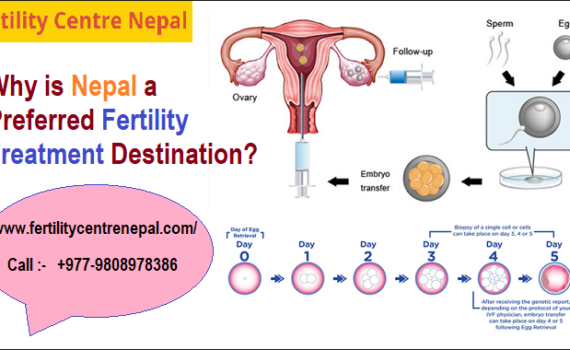
IVF is a treatment which consists of 7 major steps to achieve a successful pregnancy and these are as follows:

a)    Suppressing: The fertility expert will give you some fertility drugs through which your monthly cycle gets suppressed and this drug will continue for about two weeks.

b)    Egg boosting: The fertility expert will give you the human chorionic gonadotropin (HCG). This injection will help in increasing the supply of your eggs and your fertility expert will continue the injection for about 12 days.

c)    Monitoring: The fertility expert will continuously monitor the progress of your ovaries by conducting blood tests or ultrasound scans. Once the tests and scan are completed they will give the human chorionic gonadotropin (HCG) injection which needs to be trigger between 34 and 38 hours to mature the eggs before they are ready to be collected from your uterus.

d)    Egg collection: The fertility expert will collect the eggs from your ovaries by using a hollow needle which is attached to the ultrasound probe. After the eggs are collected your fertility expert will send them to IVF lab for fertilization. During the egg collection, you might experience mild discomfort or pain; the same will be relieved by some pain killer medications as prescribed by your fertility expert.

e)    Egg Fertilization: Your fertility expert will mix the collected eggs with the sperm of your partner or donor sperm to make an embryo and they keep that embryo under laboratory for about 16 to 20 hours where the experts in laboratory will check the growth of your eggs and identify that whether the eggs are ready for fertilization or not. Once your eggs are ready your embryologist will choose the best embryo to transfer into your uterus.

f)    Embryo transfer: This is the important and very crucial step where your skilled embryologist will transfer the best-selected embryo into your uterus and will wait for the symptoms of pregnancy to occur.

g)    Pregnancy test: This is the last and final step of the IVF procedure which will be conducted at the Fertility Center Nepal after two weeks of the embryo transfer. If the results of the treatment are positive then your pregnancy will grow as normal and you will be handed to a gynecologist who will be with you until the baby delivers, however, in case the results are not positive then you need not to worry as you can repeat your IVF cycle or you can opt for the other fertility treatment to fulfill your dream of having an own baby.

Summarization that why only Nepal for fertility treatments

Nepal is a country which offers a reasonable fertility treatment and now it has become the most favored destination for all the people across the globe as they not only offer the reasonable treatment but also a treatment where the fertility experts in Nepal does not compromise the quality of the treatment. They use the equipment that has been purchased from the international market to deliver the highest success rates and in a very short period of time, Nepal has achieved the award for providing the best and reasonable treatment across the globe.

The people for whom having an own baby was a dream only that has been fulfilled by the fertility experts at the Fertility Center Nepal where they properly examine each individual and find the exact cause which is stopping them to enjoy their parenthood. Once the cause has been identified the same will be treated by using the best fertility treatment in Nepal.
ivf treatment in nepal

How Long Does IVF Take in Nepal?

How Long Does IVF Take in Nepal?

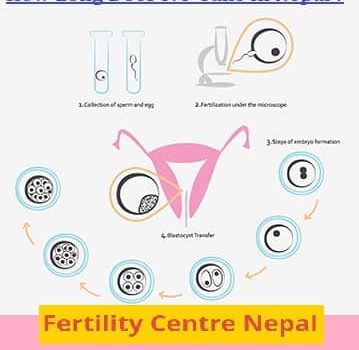
IVF is a procedure in Nepal which takes about 6 to 8 weeks to complete one cycle.

You need to wait for a few weeks so that your egg gets mature. Then you and your husband need to stay for at least half of the day at the Fertility Center Nepal for your egg retrieval and fertilization process. You need to visit the clinic again three to five days later to have the embryos inserted into your uterus and you will be able to go home that same day.

How does the IVF procedure work in Nepal?

The IVF procedure involves the following steps to complete one IVF cycle:

Week 1:

a)    Initial consultation: In your first meeting with the clinic, the clinical staff will obtain an extensive medical history of you and your husband, and they will answer to your all questions or concerns you may have at this stage. This is a stage where you can freely ask any questions without any hesitation. You feel well-informed and comfortable before you commit to IVF treatment In Nepal.

b)    Clinical consultation: This is an appointment with your clinical coordinator who will review your diagnosis and accordingly plan the best treatment for you. Your IVF expert will also help you in learning how to self-administer the medications which are used in an IVF cycle and accordingly will schedule your key procedures.

c)    Consultation on financial aspects: At Fertility Center Nepal we have good counsellors who will provide the best guidance which is one way to help minimize some stress. This consultation is provided so that you can review your options for insurance coverage. If IVF is not covered then the consultant will help you with many other flexible options to explore, including IVF financing.

Week 2 to 4:

Here your procedure for IVF will begin:

a)    Pre-treatment preparation for IVF: Your fertility expert will recommend some comprehensive lab tests which will give the clear picture of your fertility. The following are some common pre-IVF tests:

•    Ultrasounds

•    A blood tests

•    Uterine evaluation

•    Screening for infectious diseases such as AIDS or Hepatitis B

•    Male fertility tests which include a sperm analysis

b)    Start birth controlling pills: The next step followed by your clinical staff is to regulate your menstrual cycle and prepare your ovaries. Your fertility expert will ask you to take birth control pills for 2 to 4 weeks after testing and diagnosis and this mainly depends on the length of your cycle.

Week 5 to 6:

Monitoring and medication will take place during this period:

a)    Consumption of fertility drugs: Your fertility expert will give you some oral fertility medications like Clomid, injectable follicle stimulation hormones such as Follistim and Gonal-F, etc. are used to stimulate the ovaries so that you will be able to produce more mature and healthy eggs in one normal cycle. With the help of fertility drugs, you will be able to produce at least 4 eggs to process a successful outcome.

b)    Monitoring: With the help of ultrasounds and blood tests your fertility expert will be able to monitor the development and the growth of your follicles and eggs. This is the most time-taken part of the IVF process which requires at least 5 to 7 office visits.

Week 7 to 8

During this period your egg will be retrieved, triggered and fertilized:

a)    Egg retrieval: This is a day procedure which will be performed under local anesthesia. Your fertility expert will collect the eggs from your ovaries by using the hollow needle which will be easily inserted through the cervix into your uterus. If you are going through IVF you’re your partner then he needs to provide his semen specimen which will be collected on the same day as your egg retrieval or the sperm could be frozen before.

b)    Combining of egg and sperm in the lab: Once the successful fertilization takes place and embryos are developed then there are several options which can be used at this stage to increase the chances of a successful pregnancy and these are:

•    Assisted hatching: This is a procedure in which a tiny hole is made in an embryo’s outer membrane which is known as the zona pellucida and it will increase the rate of implantation after transfer.

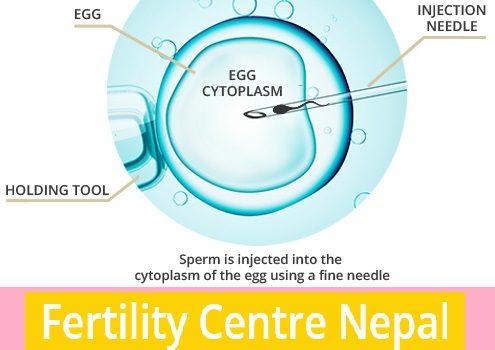
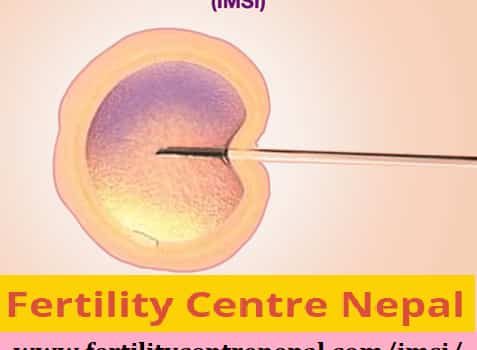
•    Intracytoplasmic sperm injection (ICSI): This is one of the best options when male infertility is a factor. In this procedure, your fertility expert at Fertility Center Nepal will inject a single healthy sperm directly into an egg.

•    Preimplantation genetic screening (PGS) or Preimplantation genetic diagnosis (PGD): This is a procedure which ensures that only healthy embryos are transferred because genetic abnormal embryos can lead to the cause of miscarriage. Usually, this testing is helpful in cases of recurrent pregnancy loss.

c)    Embryo Transfer: This is the final step of the IVF procedure in which your fertility expert will transfer the best-chosen embryo into the uterus via a thin, flexible plastic tube, which is gently passed through the opening in the cervix leading to the interior of the uterus. This procedure is a painless procedure but in there are some women who may experience mild cramping which will be taken care through medications.

What after the IVF procedure?

Once the IVF procedure is completed, your fertility expert at Fertility Center Nepal will recommend you to take a progesterone supplement which helps in supporting the uterine lining and encourage implantation. Also, after two weeks of embryo transfer, you need to visit the center again for the pregnancy test. If the results are positive then you will be handed-over to OB gynecologist for care, but in case your results are not positive then you can repeat the IVF cycle or can opt for other assisted reproductive treatments to fulfill your dream of having an own baby.

Success Rates of IVF

Success rates of IVF Treatment in Nepal performed at Fertility Center Nepal are around 70 to 80% but it depends on the age and the reason for infertility. According to the study, younger women usually have healthier eggs and higher success rates as compared to older women.


best center in Nepal for IMSI treatment

Best Center in Nepal for IMSI Treatment in Nepal with costs

Which is the Best Center in Nepal for IMSI Treatment?

The Fertility Center Nepal is the best center for IMSI treatment because of it a center which has enhanced the possibility to achieve pregnancy when ICSI treatment failed to provide the successful outcome. The fertility expert will suggest IMSI treatment in Nepal to those individuals who are dealing with the following:

•    The quality of sperm is decreased which is released by a male member.

•    The increased proportion of construction of sperm releasing is very uncommon.

•    Unsuccessful ICSI treatment.

Why IMSI treatment is performed?

IMSI is a treatment which is performed to improve the chance of male fertility. This procedure also helps in having normal embryo development. If you compare the traditional method of selecting sperm and assessing it, you will find IMSI is a much better procedure which uses lab tools to select sperm.

How does IMSI procedure works?

IMSI is a procedure in which the surgeon at Fertility Center Nepal uses a microscope with high power light which enhanced by digital imaging and this technique will help your embryologist to magnify the sample of sperm more than 6,000 times. With the help of this magnify instrument your embryologist will able to detect the problems which they are unable to identify through a normal microscope. Your embryologist will now select the sperm which is normal in shape and have the highest level of mobility.

IMSI is a procedure which is similar to ICSI. In this procedure also your fertility expert will give to some fertility drugs to your wife to stimulate the ovaries so that she will be able to produce more mature and healthy eggs for fertilization. Once the eggs are grown to 17-22mm in your wife ovaries, the fertility expert will collect her eggs and will give her a hormone injection of human chorionic gonadotropin (hCG) which will be given to her around 36 to 38 hours before the egg are collected.

The fertility expert will perform IMSI procedure under general anesthesia and she will collect the eggs from your wife’s ovaries by using ultrasound-guided vaginal probe through which she locates the follicles and aspirates its contents. After this procedure, the fertility expert will place the women eggs in a culture dish in the IVF laboratory and then the embryologist will inject a single sperm very carefully into each egg of women to facilitate fertilization.

To whom IMSI treatment is recommended

The fertility experts will recommend the IMSI Treatment to those couples who have previously failed IVF cycles, or for the couples where male infertility is an issue which is stopping a fertile woman to get pregnant. IMSI treatment is little expensive as compared to traditional IVF treatment, however, if you compared the IMSI treatment cost in Nepal with other developed countries than you will find that Nepal is the reasonable country to have IMSI treatment with highest success rates. Till date, the success rate of IMSI treatment at Fertility Center Nepal is around 70 to 80% which is quite higher as compared to other developed countries like the USA, UK, Australia, Russia, etc.

Benefits of having IMSI treatment

IMSI is a treatment which is beneficial for the couples with the unexplained cause of infertility. This is a treatment in which your fertility expert will a healthy sperm by using the high power magnification instrument which gives 6,000 times to magnify the sperm sample and bypasses all defects which are decreasing the chances of a successful pregnancy. Also, IMSI is a treatment which provides benefits to those couples who had failed IVF with ICSI treatment and not able to achieve their goal of a successful pregnancy.

Is there any risk of IMSI treatment?

As we all know, that every surgical procedure is associated with some of the risks, the same goes with the IMSI Treatment as well it is also associated with some risk factors such as there can be higher chances of multiple pregnancies in IMSI treatment as compared to ICSI treatment. It has been found that IMSI is a treatment which is little expensive than ICSI because while performing IMSI procedure the fertility expert use the expensive state-of-the-art equipment and they also need specialized training to perform IMSI procedure.

Is IMSI treatment is useful for all?

It has been found that IMSI is a promising treatment in terms of improving the outcome of ICSI treatments. The people need to agree that high magnification which has been achieved by IMSI treatment contributes with a better evaluation of the aspirated sperm cell for the injection which provides the encouraging results. On the other hand, special instrumentation, prolonged sperm manipulation and the embryologists who are highly qualified and trained professionals to perform IMSI treatment will increase the cost-effectiveness of the procedure. Taking all the above-mentioned points into consideration, your fertility expert will provide you with the best counseling which helps you in undergoing for IMSI treatment and for a better chance to conceive a baby.

Cost of IMSI treatment in Nepal

It has been found that the cost of IMSI treatment in Nepal is quite expensive as they use the special state-of-art equipment to perform IMSI treatment and there is some of the cost of ICSI treatment is also added while performing IMSI. IMSI is a treatment which is performed by highly skilled and experienced fertility experts. This is also the reason that the cost of IMSI is little expensive than ICSI treatment, but if you compare the cost of IMSI treatment in Nepal with other developed countries like the USA, UK, Australia, Russia, Canada, etc. then you will find Nepal is a reasonable and affordable country for IMSI treatment.  Nepal is a country which is a very peaceful place and the Fertility Center Nepal is a center where you will find the positive energy around you and also you will find that your hope of having baby turning into reality.

Nowadays, Nepal has become the most favored destination for the people across the world because of reasonable IMSI treatment in Nepal as compared to other developed countries and the highest success rates for taking the baby home.


iui treatment nepal

Best Fertility Centre for IUI Treatment in Nepal

In the Quest for the Best Fertility Centre for IUI Treatment in Nepal

Top-quality IUI treatment in Nepal

IUI treatment in Nepal is a fertility treatment performed for curing the problem of infertility. Infertility is a problem in which couples fail at achieving conception even after trying to conceive for about six months to a year. It is a primary ART method for treating less severe cases of infertility. It is an immediate fertility treatment that occurs in infertile patients when they think of undergoing fertility treatment. It is the best treatment option for single women who wish to get pregnant without the involvement of a male partner. 

IUI is a famous ART (Assisted Reproductive Technology) technique for assisting couples in their quest for parenthood. ART methods include various fertility treatments for making pregnancy achievable with the help of specialized treatment. It is a simple fertility treatment where the sperms are inserted inside the recipient’s uterus with the aid of a hollow needle. This fertility treatment is performed before the patient can opt for other advanced fertility treatments such as IVF. Intrauterine Insemination is done when the male partner is inefficient at producing a sufficient amount of sperms for the process of Insemination due to various reasons.

The main aim of the IUI treatment is to enhance the number of good-quality sperms that reaches and permeates the egg. It also increases the likelihood of the woman attaining conception and success in the fertility treatment. Fertility Centre Nepal is a widely known medical travel agency in Nepal offering economical prices for IUI treatment in Nepal. Our fertility experts have more than 30 years of experience performing the most compelling cases of IUI treatment. They have helped many patients complete their families and remove the tag of infertility from their life. Our patients receive their fertility treatment under the best infrastructure and within a reasonable price range.

Appropriate Candidates for IUI treatment in Nepal

IUI Treatment in Nepal

IUI is a widely performed and uncomplicated ART treatment wherein the patient is artificially inseminated with the sperms received from the male partner or a sperm donor. However, it is not a suitable fertility treatment for patients with severe infertility. They have to take the help of other advanced ART methods such as IVF, ICSI, IMSI, etc., for attaining their dream of parenthood.

Below is the list of suitable candidates for IUI treatment in Nepal.

  • Infertile couples with unexplained infertility where the cause behind infertility is hard to determine.
  • Female with ovulatory disorders can go for IUI treatment in Nepal.
  • Female with uterine problems such as endometriosis.
  • Female with abnormal cervical mucus that prevents the sperms from entering the cervical canal.
  • Men with ejaculatory problems, erectile dysfunction, etc.
  • Couples with severe male factor infertility where the male partner does not produce a sufficient quantity of fertile sperms.

How is IUI treatment performed in Nepal?

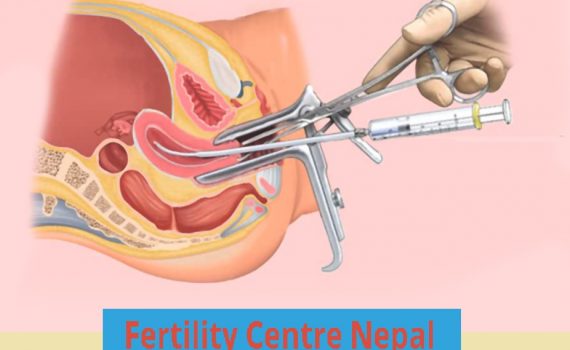
During the process of IUI treatment in Nepal, the doctor thoroughly analyzes the condition of the patient before performing the IUI treatment. The woman is given fertility medications such as Clomiphene for triggering her ovulation cycle. Sometimes, HCG injection is given in combination with the fertility medicines to the patient if the fertility medicines do not work alone. Once the doctor notices the surge in the LH hormone, the doctor performs the IUI treatment in which the doctor directly injects the sperms into the uterus of the female.

Before inserting the sperms, the semen collection process is done in which the sperms are thawed and washed for finding the best-quality sperms for insemination. After two weeks, some pregnancy tests are performed on the woman to confirm pregnancy.

Best Fertility Centre for IUI treatment in Nepal

Fertility Centre Nepal is the best medical tourism company in Nepal offering the services of well-experienced fertility specialists with over three decades of experience. We offer the best IUI treatment in Nepal at a reasonable price, which is why patients from across the world choose our fertility clinic for the best fertility treatment. Our team at the network hospital makes sure that you receive the best fertility treatment experience at a reasonable cost. We also provide affordable prices for different fertility treatments such as IVF, ICSI, IMSI, TESA, PESA, Surrogacy, etc.


Do’s and Don’ts for Ensuring Successful Pregnancy

Affordable IVF Treatment in Nepal: Costs and Success Rates

Do’s and Don’ts for Ensuring Successful Pregnancy Using IVF Treatment

IVF or In Vitro Fertilization is an increasing popular fertility treatment performed to cure infertility issues in couples. The number of infertility cases is on the rise across the world and due to which infertile couples seek IVF treatment in order to have a baby. Infertility is when a couple cannot conceive despite the recurrent attempts of trying to get pregnant for six months to a year.

One of the leading causes behind infertility is unhealthy habits that people are accustomed to, bad lifestyle habits, high-stress levels, health problems, trying to conceive at a later age, etc. Due to these various reasons, the couples fail at conceiving and have to take the assistance of fertility treatment to accomplish their dream of enjoying parenthood. IVF is one of the most famous and extensively performed assisted reproductive techniques to help infertile couples conceive.

In an IVF treatment, fertilization occurs outside the human body or without the aid of a human body. This way it bypasses various steps involved in the natural process of attaining conception due to which the couple were not able to conceive naturally and makes pregnancy attainable. The male and female gametes that are used in the fertility treatment are analyzed carefully for finding any anomalies and removing them for an effective embryo formation and effectuating a healthy pregnancy, which helps in enhancing the chances of healthy IVF pregnancy.

Infertile couples choose IVF treatment for receiving the best results in their fertility treatment and achieving their dream of having a baby. Fertility Centre Nepal is a prominent medical tourism agency in Nepal offering the services of well-qualified and experienced fertility specialists. We provide a superlative quality IVF treatment at a low cost to all the patients. IVF is a prolonged and emotionally draining procedure and picking the fertility centre for your IVF treatment becomes critical for having the highest chances of success in your treatment.  

For increasing your chances of achieving a healthy IVF pregnancy, there are some do’s and don’ts that the patient should adhere to in order to acquire success in the IVF treatment.

Maintain a Healthier Lifestyle

Although it is important to adopt a healthy lifestyle in your life, however, it is most advisable when a couple chooses to undergo an IVF treatment. The doctor may suggest you incorporate a nutritious diet into your schedule or abstain from certain habits that may cause trouble in the effective attainment of pregnancy. The quality of your lifestyle affects the quality of your eggs and sperms, which together form an embryo that is placed inside the woman’s womb. Therefore, it is crucial for ensuring a fertile environment inside your body for assuring better chances of success in the fertility treatment.

Adopt a nutrition-rich diet

You should begin by making alterations to your diet as what you put into your stomach on a daily basis because it creates a fertile environment inside your body, which increases the chances of success in your IVF. Opting for a nutrition-rich diet is important for your fertility and pregnancy and ingesting foods with rich in vitamins, zinc, folic acids, antioxidants, zinc, and foods with other essential nutrients help in nourishing your body in the course of your IVF treatment. It is also advisable to take supplements such as coenzyme q 10, omega 3 fish oil, prenatal vitamin, folic acid, vitamin A, C, and E, iron, etc for preparing yourself for the IVF treatment. One of the major causes of failure in IVF cycle is a vitamin D deficiency; therefore, taking vitamin D supplements is suggested in order to increase the chances of conception.

Increase your fluid consumption

The patient undergoing the IVF treatment should increase their water consumption as it helps in detoxifying your body for removing unwanted elements. It aids in dealing with the complications involved in a pregnancy and handling mood swings. Drinking a sufficient quantity of water also helps in reducing the detrimental effects of heavy medication given to the patient during the IVF treatment.

Abstain from rigorous physical activities

While it is critical to maintaining a healthy body weight for the IVF treatment, it is also important to avoid intense physical activities as it may cause potential damage to the reproductive organs of the patient. Heavy workout can also impact your chances of success in the IVF. However, you can stick to a low-intensity exercising routine that involves walks, yoga, stretching, etc.

Avoid alcohol and smoking

Consumption of alcohol, smoking, and even smoking has detrimental effects on the quality of sperms and eggs. Alcohol is pernicious to the effective development of a fetus and should be avoided if a couple wishes to have a healthy baby. Also, excessive smoking consumption negatively impacts the health of an individual and decreases fertility. Therefore, it is suggested to the patient to abstain from alcohol and smoking or any other addictions if they want to get pregnant using IVF.

Avoid stress and meditate

IVF treatment is a long and arduous treatment process and therefore it is important to maintain your emotional balance and keep your energy levels high. While it is normal to feel and doubtful regarding the results of the IVF treatment but it is not helpful in the long-term. It is crucial to stay positive and avoid participating in any type of stressful thinking if you want to experience positive results in your IVF treatment. Try meditating for de-stressing yourself if your stress levels are high.


infertility and how it is treated

Infertility Treatment in Nepal – Fertility Centre Nepal

What Causes Infertility and How it is Treated?

Causes of Infertility in Men

The following are the causes that affect the men fertility which stops him to become the father these are:

•    Poor or unhealthy functioning of men sperm which includes the quality of his sperm. By the quality of sperm, it means that how well and quick the men sperm move and travel to meet the woman’s egg.

•    Varicocele is a condition in which veins inside man’s testicles gets large and causes them to overheat.  This heat may affect the number or shape of the sperm.

•    The quality of men sperm can be affected if there is any bacterial infection inside the man’s testicles such as sexually transmitted infection (STI).

•    Cancerous or non-cancerous growths.

•    Imbalance or changes in hormones.

•    Tubes which carry the sperms of man are blocked.

•    Genetic disorders.

•    Medicines, especially those treating cancer, fungus, and ulcers.

•    If a man has undergone for any surgery like vasectomy which prevents sperm from leaving the testicles.

•    Regular intake of alcohol, drugs, and smokes.

•    Exposure to industrial chemicals and heavy metals.

•    Radiation and X-rays.

•    The fertility experts at Fertility Center Nepal advise the men not to wear tight underwear or pants as it can overheat the men testicles which cause infertility. It can also happen by using a hot tub for extended periods.

Causes of infertility in Women

The following are the causes that affect the women fertility which stops her to get pregnant and these are:

•    A process in which the women egg leaves her ovary and travels to meet the men sperm which is known as ovulation period. But in some cases, women face difficulty while ovulating every month and this makes harder for her to become pregnant.

•    Women need proper functioning of her fallopian tubes, ovaries, and uterus to get pregnant. If any of these her organs are not working properly it can contribute to women infertility.

•    Disease and disorders which include endometriosis. Endometriosis is a disease or disorder in which women uterine tissue grows outside her uterus or polycystic ovary syndrome (PCOS) is a condition in which women have enlarged ovaries that contains fluid-filled sacs.

•    If women period stop before the age of 40 years will cause infertility in women which make difficult for her to get pregnant. It may be tied to her immune system disease, cancer treatments, or a genetic syndrome.

•    If she has undergone any cancer treatments such as radiotherapy and chemotherapy which affects her fertility.

•    Regular intake of smoke, alcohol and other drug make pregnancy difficult for women.

•    Medicines, especially those treating cancer, fungus, and ulcers.

•    If women are planning to get pregnant then her weight should be according to her body mass index (BMI) as overweight or underweight can also affect the woman’s fertility which decreases her chances of conception. So, it is advisable to maintain an ideal weight to conceive a baby.

•    Uncontrolled diabetes, autoimmune diseases in which your body attack itself, celiac disease, etc. can make pregnancy difficult for a woman.

What fertility tests required for men?

The fertility experts at Fertility Center Nepal suggest the following tests to be done to check infertility in men and these are:

a)    Semen Analysis: Your fertility expert will ask for one or more semen specimens. Generally, semen can be obtained by masturbating or by interrupting intercourse and you can ejaculate your semen into a clean container. The laboratory person will analyses your semen specimen.

b)    Hormone testing: Your fertility expert will ask you for the blood test so that they are able to determine the level of testosterone and other male hormones.

c)    Imaging: There are certain cases in which imaging studies required such as a brain MRI, bone mineral density scan, Transrectal or scrotal ultrasound may be performed.

d)    Genetic testing: The purpose to perform genetic testing to determine whether there is a genetic defect which causes infertility in men.

What fertility tests required for women?

The fertility experts at Fertility Center Nepal suggest the following tests to be done to check infertility in women and these are:

a)    Ovulation testing: This can be tested through a blood test which measures the levels of hormones to determine whether you are ovulating or not.

b)    Ovarian reserve testing: With the help of this test your fertility expert will able to check the quality and quantity of the eggs available for ovulation. This approach can also begin with hormone testing early in the menstrual cycle.

c)    Hysterosalpingography: Hysterosalpingography is a test which evaluates the condition of your fallopian tubes and uterus and also looks is there any blockages or other problems. Your fertility expert will also perform an X-ray which will be injected into your uterus. The X-ray is taken to determine if the cavity is normal and to ensure that the fluid spills out of your fallopian tubes.

d)    Another hormone testing: This test is performed to check the levels of ovulatory hormones, as well as pituitary hormones which control your reproductive processes.

Infertility Treatment for Men

a)    Medications: The men infertility can be treated by using certain medications which increase testicular function, including sperm production and quality.

b)    Surgery: Your fertility expert will perform surgery to reverse a sperm blockage and restore fertility.

c)    Sperm retrieval: With the help of this technique your fertility expert will able to obtain sperm when there is no sperm are present in the ejaculated fluid.

Infertility Treatment for women

a)    Ovulation with fertility drugs: Your fertility expert will give you some fertility drugs which are one of the best treatments for women who are infertile due to ovulation disorders. These medications will help in regulating or inducing ovulation.

b)    Intrauterine insemination (IUI): IUI is a first line infertility treatment in which your fertility expert will place the healthy sperm of men directly into your uterus around the time when your ovary releases one or more eggs to fertilize. Depending on the reasons for infertility, the timing of the IUI treatment will be coordinated with your normal cycle or with fertility medications.

c)    Surgery: If you are dealing with the uterine problems such as endometrial polyps, intrauterine scar tissue or a uterine septum then these conditions can be treated with hysteroscopy surgery.


How many types of infertility are there

Infertility – Fertility Centre Nepal

How Many Types of Infertility are There?

There are 2 types of infertility:

(i)    Primary Infertility: Primary infertility is a type of infertility which refers to those couples who are not able to get pregnant after having regular intercourse for more than 1 year.

(ii)    Secondary Infertility: This refers to the couples who are able to get pregnant once but for the second time they are not able to conceive a baby.

Causes of Infertility in women

The following are the causes of female infertility:

  • When there is a blockage or damage to women fallopian tubes which result from the pelvic inflammatory disease that is usually caused by a sexually transmitted infection, endometriosis or adhesions.
  • Endometriosis is another cause of female infertility where the endometrial tissue grows outside of the women uterus which may affect the function of women ovaries, uterus, and fallopian tubes.
  • Uterine or cervical abnormalities which mean there is an issue with opening the women cervix. Non – cancerous (benign) tumors which are presented in the uterine wall and may cause infertility by blocking women fallopian tubes.
  • When women dealing with ovulation disorders which affect the release of her eggs from the ovaries. This is a condition of hormonal disorders such as polycystic ovary syndrome (PCOS). The women menstrual cycle can also be affected when there is too much thyroid hormone or too little thyroid are presented. Other causes which may affect the women fertility is excessive exercise, eating disorders, injury or tumors.
  • When women are dealing with early menopause which means her ovaries stop working and her menstruation ends before the age 40 years. According to the study, this is an unknown cause of female infertility. There are certain factors that are associated with early menopause such as immune system diseases, genetic conditions, etc.

Causes of Infertility in men

The following are the causes of male infertility:

  • If the male member is unable to deliver the sperm due to sexual problems, such as premature ejaculation; certain genetic diseases, blockage in his testicle; or damage or injury to the reproductive organs.
  • If there is any damage due to cancer and its treatment which includes radiation or chemotherapy. Cancer treatment can impair sperm production and sometimes it is very severe.
  • The men fertility can also be affected by the overexposure to certain environmental factors, which includes pesticides and other chemicals, and radiation. Smoking, alcohol, marijuana or other medications, such as antibiotics, anabolic steroids, etc. can also affect the men fertility. Excessive exposure to heat, such as in saunas or hot tubs may affect the production of sperm.
  • If there is an abnormal production of sperm or the sperm function is affected due to undescended testicles, genetic defects, and health problems such as diabetes or infections will affect the male member fertility. If men have enlarged veins in his testes, this can also affect the quality of sperm.

Treatment of female infertility

The following are some common treatments to treat the female infertility factor and these are:

a) IVF: At Nepal Fertility Center, the fertility expert recommends the IVF treatment which is the first line treatment. This is a procedure in which your fertility expert will collect the eggs from women ovaries and mix them together with the sperms of her husband to facilitate the fertilization. Once the fertilization takes place, the resulted embryo will be placed into the uterus of the intended mother.

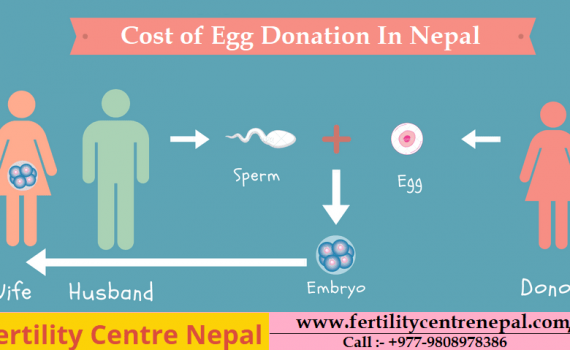
b) IVF with Egg Donor: The fertility experts at Fertility Center Nepal use this procedure for those couples where the female member is unable to produce enough mature eggs for fertilization. In this procedure, the fertility experts will borrow the eggs from healthy, fertile and young women who are under the age of 28 years and will fertilize her eggs with the sperms of the intended father to facilitate the fertilization. Once the fertilization occurs, the fertility expert will place the resulted embryo into the uterus of the intended mother and will continue to monitor the growth and the development of the fetus.

c) IVF with Surrogacy: This is a procedure which is usually recommended to those female members who are unable to carry a pregnancy in their own womb due to some medical illness. With the help of this procedure the couple will have their own baby as the fertility expert will fertilize the eggs of the surrogate mother with the sperm of intended father and after that she will place the resulted embryo into the uterus of surrogate mother who will carry the baby until full term and once the baby born she will hand-over the baby to his/her intended parents.

Treatment of male infertility

The following are some common treatments to treat the male infertility factor and these are:

a) ICSI: ICSI is an ART is a procedure in which the fertility expert will directly insert a single mature and healthy sperm into each egg of the women which help the couple in conceiving a baby.

b) Gamete Intra-Fallopian Transfer (GIFT): This is the male infertility treatment where the fertilization will occur naturally and the fertility expert at Fertility Center Nepal will directly place the best-selected sperm inside the women fallopian tubes.

c) Hormonal treatment: The fertility expert will first recommend the male member to undergo for the hormone replacement before they suggest any surgery to them. With the help of the hormone replacement treatment fertility experts will able to treat the condition of male infertility which has been caused by the high or low levels of hormones.

d) Surgery: The fertility experts at Fertility Center Nepal will recommend the surgery as the last option when all other non-surgical treatments are failed to provide the desired results. The fertility expert will then perform surgery where they will extract the sperms by using the thin fine needle from the Testicle which is known as Testicular Sperm Aspiration (TESA) or Epididymis, known as percutaneous epididymal sperm aspiration (PESA). In case, the fertility expert is unable to retrieve enough sperm through these two techniques then they will use other advanced technology which is testicular sperm extraction TESE. Once the sperms are retrieved, the fertility expert will mix them with the women egg to form an embryo and once the embryo gets developed the same will be placed into the uterus of the female partner.


Cost Of IUI Treatment in Nepal

Costs of IUI Treatment Nepal – Fertility Centre Nepal

How the Costs of IUI Treatment help Couples?

The cost of IUI treatment helps those couples who are unable to afford expensive fertility treatments. This is one of the most reasonable fertility treatments where the fertility experts will wash the male member sperm and place them inside the uterus of the intended mother. The purpose to perform this procedure is to increase the number of sperms so that they can easily reach to women fallopian tubes and increase the chances of successful conception. This is a painless and useful procedure for those couples who have sperm motility issues or low counts. The fertility expert will suggest the IUI fertility treatment as the first-line treatment especially for the couples under the age of 35 years to achieve the highest success rates of the procedure at a very reasonable cost. This reasonable cost of IUI fertility treatment in Nepal has attracts the attention of many international patients who are unable to conceive naturally after having regular unprotected intercourse for 12 months or more. IUI is the less invasive and less expensive fertility treatment as compared to other assisted reproductive methods.

The estimated cost of IUI treatment in Nepal is around USD 500 for one cycle and the cost of IUI will increases accordingly, if you required more IUI cycles, but when you compare the cost of IUI 3 to 4 cycles with other assisted reproductive methods you will still find the IUI is the best and reasonable procedure. The package will include the ultrasound scan and other blood tests which are required for IUI treatment and also it covers the basic clinic procedure such as washing the sperm, preparing them in the lab, implanted into women uterus. If you undergo IUI treatment in other developed countries than the cost for the basic IUI procedure will be around USD 3,000 which is quite expensive as compared to Nepal.

What are the factors that increase the cost of IUI treatment?

The following are the factors that increase the cost of IUI treatment and these are:

a)     The number of Cycles: IUI is a treatment in which couples need to pay for per cycle. For example, you use more than one IUI cycle to fulfill your dream of having an own baby than the cost of IUI treatment will increases from USD 500 to USD 1,000 and it will increase accordingly the number of cycles you use to achieve the successful outcome. According to the study, the fertility expert will perform up to 3 IUI cycles and if the results are not positive then they suggest the couples to choose other reproductive treatment. IUI is a treatment which is especially recommended to the couples below the age of 35 years and the couple over the age of 35 years need more fertility drugs to stimulate ovaries and it will increase the cost of IUI treatment in Nepal.

b)     Ovarian Stimulation Medications: The cost of IUI treatment in Nepal is depending on whether you need medication in the form of pills or injection which helps in stimulating the ovaries. If you take injectable medication than it is a little expensive as compared to the pills. The cost of the medicines in the form of pills will range between USD 10 to USD 100 and this will depend upon the dosage you required for stimulating ovaries. For the single IUI cycle you will be requiring the medicines which will cost around USD 50, whereas, the cost of injectable medication such as human chorionic gonadotropin (HCG) or Follicle-stimulating hormone (FSH) will cost you around USD 500, but in case women need multiple shots to boost the level of her fertility than the cost of these injectable medications will increase as per the requirement.

c)      Other Tests and Scans: If you require more ultrasound scan and blood tests other than the standard tests and scans than you need to pay some extra several hundred dollars apart from your basic IUI treatment cost, however, these tests and scans are under coverage by the insurance providers even if the cost of the IUI treatment is not covered under insurance.

Why Nepal is a reasonable country in terms of fertility treatments?

The team of fertility experts in Nepal offers the reasonable fertility treatments because they wish to see each individual is enjoying the phase of their parenthood happily with own baby and the cost will not stop them to enjoy this phase of their life. The fertility experts at Fertility Center Nepal have cut down their charges just to help infertile couples who were struggling from a long period to have own baby. They are the couples who have been rejected in other developed western countries because they are not able to afford such expensive treatment in countries like USA, UK, Russia, Canada, etc. The day when they visit Fertility Center Nepal and heard the cost of the IUI treatment for single-cycle they were shocked as this is the one-tenth cost of the treatment as compared to other developed countries. This is the way that the country Nepal has to help thousands of people in achieving their dream of having an own baby and now people in larger number across the globe travel Nepal instead of other developed western countries.

The fertility experts in Nepal has charge reasonable cost of the IUI treatment by keeping in mind the condition of the people who are below the poverty line so that they can also easily avail the benefits of the reasonable treatment to have an own baby. The fertility experts in Nepal and the IUI treatment both have become the blessings for thousands of infertile couples due to its reasonable cost with highest success rates for taking the baby home. This makes Nepal is the most favorable and reasonable destination especially for the people below the poverty line and now they recommend Fertility Center Nepal to their relatives and friends whosoever looking for the reasonable and affordable fertility treatments. The fertility experts here treat each individual in the same manner without biasing between the rich, poor, or needy people.


Egg Donation in Nepal

Cost of Egg Donation in Nepal- Fertility Centre Nepal

What is the Cost of Egg Donation in Nepal?

Egg Donation in Nepal is a very reasonable procedure for the couples who wish to have their baby but due to some medical problems they are not able to conceive naturally and they need more assistance to complete their family. Egg Donation is a procedure which helps in fulfilling the dream of having an own baby. This is a procedure in which fertility experts at Fertility Center Nepal will borrow the eggs from young, healthy and fertile women between the age of 21 to 30 years and they are willingly donating their eggs to those women who are unable to produce the good quality of eggs for fertilization. The estimated cost of egg donation in Nepal is around USD 20,000 which includes the compensation of egg donors, IVF procedure, screening of egg donors, embryo pick-up, etc.

How much is the cost of international egg donors?

Fertility Center Nepal is a center which has a large database of international egg donors and the cost vary according to the egg donors is from.

a)     Caucasian egg donors: We have Caucasian Egg Donors who are little expensive than Nepali egg donors because they are the one who is traveling to Nepal from other countries to donating their eggs to needy couples and we also need to spend a lot on their screening, testing, matching the egg donor according to the preference of the intended parents, etc. this will increase the cost of egg donors and the compensation made to them is little higher as compared to Nepali egg donors which means the total cost of egg donation with Caucasian egg donor will cost you around USD 32,000.

b)     African Egg donors: If you choose African egg donor then you need to pay around USD 40,000 as they are expensive than Nepali and Caucasian egg donors because they are healthier than the Caucasian egg donors and their food intake in more than the other egg donors. They are very tall, healthy and till date, we have the highest success rates for taking the baby home using African egg donors.

c)      Chinese Egg donors: The couples who are from China and wish to have a Chinese egg donor as they want their baby to look like them. We have a large database of Chinese egg donors as well and they are not very expensive. The cost of egg donation procedure with Chinese egg donor will cost you around USD 27,000.

d)     Korean egg donors: We have Korean egg donors as well at a very reasonable cost especially for those couples who want their baby to look exactly like them. They can match the egg donor according to their preference and once the egg donor is selected the fertility experts at Fertility Center Nepal will begin the egg donation procedure using the eggs from the Korean egg donor and these egg donors will cost you around USD 22,000.

e)     Japanese egg donors: They are the egg donors who are usually preferred by people with sort height and a fair complexion. The couples will select the egg donor according to their match and these are the women who ensure the highest rates of pregnancy which is around 85%. The egg donation procedure with Japanese egg donor will cost you around USD 30,000.

What’s the cost of frozen donor’s eggs?

The estimated cost for frozen donor egg in Nepal is around USD 18,000 and for the premium donor, it will cost you somewhere around USD 22,000. Fertility Center Nepal does not have any hidden cost. This is a fertility center which offers free shipping of the frozen donor eggs across the globe as compared to other clinics which are charging and additional cost for frozen egg cycle which includes ICSI, embryo transfer, embryo culture, cost of medications, etc.

How can you manage to pay for your egg donation procedure?

There are various ways to pay for egg donation procedure but for this, you need to prepare yourself at least 2 years before plan for egg donation treatment. The best way you can manage to have egg donation procedure is that you hire an egg donor who can be your close friend or relative who is ready to donate her eggs which will save your around USD 10,000 to USD 12,000 which is quite a good amount that you can save. The other options are that you can take help from insurance companies, private financers, use your credit cards, etc. Also, you can choose the egg donor who lives nearby your and the fertility center locality which helps in reducing the great amount of traveling which you pay for egg donation. This will reduce your excess travel expenses and you will feel relaxed during the egg donor cycle as you and your egg donor can walk together to reach the fertility center.

How much does the egg donors pay for their services?

The compensation which is made to egg donor will range between USD 5,000 to USD 12,000 per cycle and it depends that the egg donor is national or international. At Fertility Center Nepal we offer to our egg donors which include the following:

  • We made a portion to be paid to all the egg donors when the egg donor begins with her course of fertility medications and we also pay for the remainder within 5 days of completing the egg retrieval procedure.
  • If the egg donors need to travel to get to the fertility clinic, we cover all the cost of your travelling which include your stay at hotel, airfare, hotel, food, etc. for you and a person who is travelling with you if you decided to bring them with you for the egg retrieval procedure.
  • We also provide access to all the information and will educate the egg donor on each stage about her fertility such as the results of screening tests, ultrasound scans, etc. are available to all the egg donors who are helping the other couples in completing their family and to know about their treatment we provide all the rights to them as they are planning their reproductive future.

ICSI Treatment Nepal

ICSI Treatment Nepal costs success – Fertility Centre Nepal

How Much Does ICSI Treatment Costs In Fertility Centre Nepal?

ICSI is a similar procedure as conventional IVF where fertility expert will collect the eggs and sperm of each partner. The only difference between the two procedures is the method of fertilization.

In conventional IVF, the fertility expert of your will mix together the eggs and sperm in a dish and the sperm fertilizes the egg naturally. However, there are chances that egg will fertilize naturally but for this large numbers of actively swimming normal sperm are required. In many cases, the number of available suitable sperm may be very limited or there may be other factors that prevent fertilization, in such condition IVF is not the best option. Your fertility expert will suggest ICSI treatment Nepal which provides you a hope to have your own baby.

ICSI is a laboratory procedure where your fertility expert will pick up the men single sperm with a fine glass needle and directly injected into each egg of a woman. This procedure is performed by the highly skilled and experienced embryologist in the laboratory where he/she use specialist equipment. In this procedure, very few sperms are required and the ability of the sperm to penetrate the egg is no longer required as this has been assisted by the ICSI technique. ICSI procedure does not guarantee that fertilization is going to happen as normal, however, still need to occur once the sperm has been placed in the egg.

How the Sperms are Retrieving to Use in ICSI Procedure?

The fertility expert will retrieve the sperms through normal ejaculation for those male members who have low sperm count or sperm with low mobility. In case, a man has had a vasectomy, the microsurgical vasectomy reversal is the most cost-effective option for restoring his fertility.

When a competent microsurgical vasectomy reversal has failed or the man refuses surgery then the needle aspiration or microsurgical sperm retrieval are good alternatives. Needle aspiration allows the fertility expert to obtain easily and quickly the adequate numbers of sperm for the ICSI procedure. They use a tiny needle to extract sperm directly from the men testis.

Needle aspiration is a simple procedure which is performed under sedation with minimal discomfort; however, there are chances for pain and swelling afterward. The sperm that has been obtained from testis is only an appropriate procedure for ICSI when testicular sperm is not able to penetrate an egg by itself.

When the ICSI Procedure is Recommended?

ICSI is a procedure which may be recommended when there is no difficulty in achieving fertilization. ICSI is a treatment which is most often used for couples who are dealing with male infertility factors. A male infertility factor includes any of the below following:

  • Low sperm counts
  • Poor motility or movement of the sperm
  • The quality of sperms is poor
  • Sperm that lacks the ability to penetrate an egg
  • Azoospermia.

When there are no sperms in the male’s ejaculation that condition is known as azoospermia and there are two types of azoospermia: obstructive and non-obstructive.

Obstructive azoospermia may be caused by any of the following:

  • Previous vasectomy
  • Congenital absence of the vas
  • Scarring from prior infections

Non-obstructive azoospermia occurs when there is no production of sperm from the defective testicle. In the case of azoospermia, the probability of obtaining usable sperm is low, and the possibility of using donor sperm may be considered.

What are the Risks of Using the ICSI Procedure?

ICSI is a procedure which can increase IVF success rates but the procedure is not perfect. The following are some more common risks that are associated with ICSI and these are:

a) Damage to the embryos: Fertilization rates with ICSI range from 50 to 80%. However, it has been found that not all fertilized eggs develop into healthy embryos due to which some eggs and embryos do become damaged during the ICSI procedure.

b) Becoming pregnant with the multiple eggs: As we all know, that ICSI takes place as part of the IVF process, hence, there are increased chances of becoming pregnant with multiple eggs for couples who are undergoing for the ICSI procedure. Couples that use ICSI with IVF have about a 35 to 45% chance to have twins and 10 to 15% chance of having triplets or more.

According to the study, if you carry the multiple pregnancies then it will increase your chances of developing the following complications during pregnancy and childbirth which includes:

  • Gestational diabetes
  • High blood pressure
  • Low amniotic fluid levels
  • Bed rest
  • Cesarean section or premature labor

When you get pregnant with multiples, your babies are also at the higher risk for complications, such as being born prematurely with low birth weight, or they face difficulty while breathing on their own due to immature lungs. These conditions are more susceptible to infections.

c) Birth defects: According to the study, the birth defects with ICSI and IVF lead to a similar percentage as babies are conceived naturally. However, the risk with ICSI procedure of having a baby with abnormalities is very minimal which less than 1% is.

ICSI Treatment Costs in Nepal?

ICSI is a treatment which fertility experts perform to treat male infertility issues and the estimated cost for treating male infertility depend on the procedure. There are other options also available to treat male infertility apart from ICSI treatment and these are as follows with their costs:

  • IUI is the first line treatment which costs around 50,000NPR Or USD 1,000 for one cycle, however, if the couple requires the ovulation induction, medications, and other screenings which will increase the treatment cost which goes up to Or 3,40 ,000 NPR
  • The cost of ICSI treatment with IVF is around 4, 00,000 NPR OR USD 5500 for one cycle without including medications. ICSI with IVF is the best fertility treatment which increases the chances of conception as compared to IVF alone. In case, the couple needs ICSI with IVF with medications than the cost of the treatment go up to USD 7,000 for the fresh cycle.
  • If you are using egg or sperm donor to increase your chances of conception than the cost of the treatment is around 2, 00,000 NPR for Egg Donors & Sperm Donor 50,000 NPR or USD Amount 20,000.

GET A QUOTE

    Attach Files


    We Provides Smile Over Faces

    Treatments

    Contact Us

      Attach Files