Ovarian stimulation process in Nepal

Ovarian stimulation process in Nepal- Fertility Centre Nepal

Category : blog

What is the ovarian stimulation process in Nepal?

Nepal is quickly becoming a top choice for patients who are seeking IVF treatment from all around the world. There are many reasons why Nepal is at the top of the list of medical tourism countries. One of them is that IVF treatment costs in  Nepal are significantly lower than in any other Western country, even compared to India. 

If we are talking about the standard IVF treatment cost in Nepal is typically from 2,50,000 to 4,50,000 Nepali rupees. However, this is significantly lower than in Western countries such as the United States, where treatment generally begins at $ 20,000. The IVF treatment cost in Nepal gives you a very high return on investment rate, also because Nepal has a very high fertility rate, with the advanced technology. 

Not only does your package of whole IVF treatment actually have a very skilled specialist, but they also offer personal care. Before actually understanding what the ovarian stimulation process in Nepal entails, let’s understand what the IVF treatment costs in Nepal actually include in their packages. 

The IVF process is very simple; it starts with ovarian stimulation, and it ends with embryo transfer. Usually, the whole IVF treatment has 5 basic stages. Ovarian stimulation process in Nepal, egg retrieval, and then there is fertilisation of the egg and the sperm. Then, the embryo culture and embryo transfer. 

All these are included in your IVF treatment cost in the Nepal package. The whole IVF  treatment cost in the Nepal package is almost 30% made up of the Ovarian stimulation process in Nepal. Let’s understand the IVF process in Nepal. 

What is the process of IVF in Nepal?

IVF is known as in vitro fertilisation, meaning fertilisation that takes place outside the body. Fertilisation, which is the fusion of the egg and the sperm, is a result of intercourse. In this article, we are going to explain how the whole IVF treatment works and whether you even need it. 

IVF  is a simple treatment where doctors perform a minimum month-long regimen to let your body be ready to have the baby. Additionally, there are different types of phases in this treatment; however, the basic phases include these five.

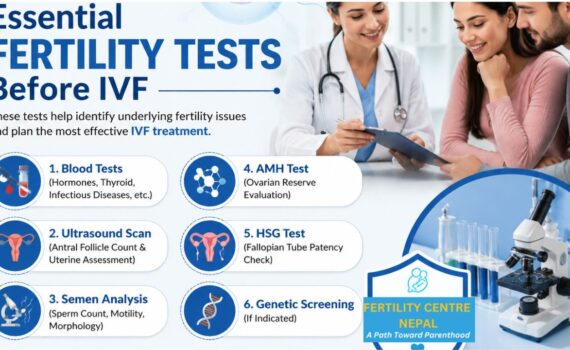
  1. First consultation: Of course, every couple needs to have the first counseling session with an IVF expert. They will make sure to find out the exact reason for your infertility and the inability to have a child. This is done through several tests like AMH.
  2. Ovarian stimulation process in Nepal: This is the process in which the eggs of the female partner are stimulated through a series of injections so that her ovaries can produce multiple eggs at once. Usually, a female’s body only releases one egg per month, but because of these drugs, such as FSH, also known as follicle-stimulating hormone, and LH, luteinizing hormone, all of which are encouraged to produce and release more than one egg, preferably 8 or 10.
  3. Egg retrieval: In the egg retrieval process, doctors perform a small surgery known as transvaginal oocyte retrieval (TVOR). It is a very minor surgery, so you can go home on the same day. Doctors use the ultrasound device so that they can see the actual image inside your body. 

At first, they insert a thin, hollow needle, which is attached to the ultrasound device. This needle is gently passed through your vaginal wall and enters directly into your ovaries. Then the doctors gently vacuum the follicle fluid containing the eggs. This process takes about 45 minutes.

Whereas if the men’s sperm is needed, they are extracted through masturbation. However, if there is a problem with male fertility, doctors could perform surgery to retrieve the sperm directly. The names of the surgeries are PESA, MESA, and many more.

  1. Fertilisation and Embryo Culture: The next process is actually fertilizing the collected egg and the collected sperm. There are two methods. The first is the conventional method, where thousands of sperm are placed in the same spot with or without only one egg. The second method is Intracytoplasmic Sperm Injection (ICSI). After fertilization has occurred, the embryo phone so the doctors will now transfer it into the incubator. An incubator is a device that behaves as an artificial woMB or uterus.

Till the embryo has reached a state where it is healthy and strong enough to be transferred to the actual uterus of the intended mother. Some people actually freeze their fertilized, healthy embryos for future use. 

In some cases, when the timing is not right and when individuals want to focus on their careers or due to any medical conditions, they could actually use this frozen embryo for further embryo transfer when they want to have children in the near future.

  1. Embryo transfer: The last stage in this process is embryo transfer, in which the embryo is healthy enough. The doctors actually transferred this embryo to the uterus. There are two types of embryo transfer: the first is Fresh embryo transfer, and the second is frozen embryo transfer, which we have talked about earlier. 

In the fresh embryo transfer process, first of all, doctors prepare the bladder so they can actually see the full display, so the doctors can actually see the uterus in full display through the ultrasound device. Then, a very thin, flexible plastic tube known as a transfer catheter is used. This catheter has embryo liquid. 

This tube is inserted into the vaginal wall and passes directly through the cervix till they reach the uterine cavity. The uterine cavity is the place where the embryo attaches itself to the mother’s uterus. The uterine cavity actually provides nutrients and essential oxygen levels to the baby. Through the blood of the mother. 

When doctors actually reach the uterine cavity, they gently release the embryo’s liquid inside the uterine cavity. This surgery is a very low-impact surgery. After the surgery is done, the patients typically rest for about 10 to 15 minutes before heading home.

What is the ovarian stimulation process in Nepal ?

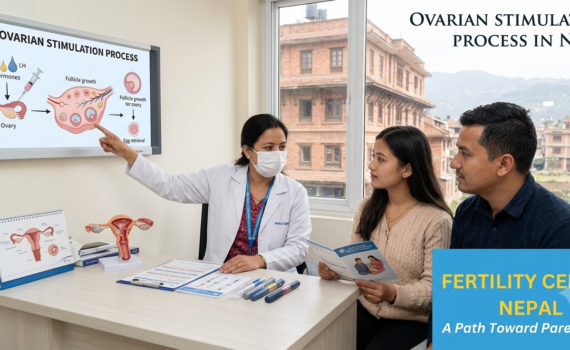
In IVF, the ovarian stimulation process in Nepal is the phase where women’s eggs are being readied, so doctors can retrieve the eggs from their ovaries. So, how it is done is that experts, basically IVF doctors, give the hormonal injection or drugs to the woman so her ovaries can produce more than one egg simultaneously. 

The Ovarian stimulation process in Nepal 

In a natural monthly cycle, a woman’s body typically matures and releases only one egg. During the Ovarian stimulation process in Nepal, the goal is to use hormonal medications to “rescue” and mature multiple eggs simultaneously. Growing a higher number of eggs increases the chances of successful IVF, as it creates a larger pool of opportunities to achieve a viable embryo.

This phase typically lasts 8 to 12 days and requires close monitoring via regular blood tests (to track estrogen) and ultrasounds (to measure the growth of the fluid-filled sacs, called follicles, holding the eggs).

Medications Used in the Ovarian stimulation process in Nepal?

To Stimulate Egg Growth (Gonadotropins): Meds like Gonal-F, Follistim (FSH), and Menopur (FSH + LH) prompt the ovaries to grow multiple follicles.

To Prevent Premature Ovulation (GnRH Antagonists/Agonists): Meds like Cetrotide, Ganirelix, or Lupron keep the body from releasing the eggs naturally before they can be collected.

The Final Maturation (The Trigger Shot): Shots like Ovidrel, Novarel, or Pregnyl are timed precisely to mature the eggs right before the surgical egg retrieval procedure.

The Ovarian Stimulation Process in Nepal at a Glance

Phase / Days Ovarian stimulation process in Nepal
Days 1 to 3 Transvaginal ultrasound and blood work to ensure no large cysts. Hormonal injections begin.
Days 4 to 7 Follicles begin growing. A second injection (antagonist) is added to block premature ovulation.
Days 8 to 11 Monitoring becomes daily or every other day to track final follicle sizes (aiming for 15to22 mm).
Day 12 (the Trigger) Final maturation shot given at a precise, down-to-the-minute time before retrieval.

How much does IVF cost in Nepal?

IVF Costs in Nepal in 2026 have changed because of inflation and many updated laboratory standards and advanced equipment. From 3 lakh and go up to 5 class Nepali rupees. All the streaming and diagnostic tests take around 30 thousand Nepali rupees, which covers the follicles stimulating hormonal test (FSH) and AMH testing to check ovarian reserve. It also covered basic transvaginal ultrasound, semen analysis, and any infectious disease screening.

Whereas the ovarian stimulation involves daily hormonal injections for up to 8 to 12 days to actually stimulate your ovarian follicles. On the way, you can expect 80,000 to 2,50,000 rupees.

Whereas the lab fertilisation will cost around 1,50,000, and for the embryo culture, the IVF treatment cost in Nepal, 2026, actually includes about 80,000 to 2,00,000, depending on how many embryos are developed 

In IVF treatment cost in Nepal, 2026, embryo transfer is one of the most updated cost brackets, which has gone up to 1 lakh Nepali rupees. 

How painful is ovarian stimulation?

Well, it depends on the injections. Many women who have been through ovarian stimulation in IVF share ot have felt the sharp stinging pain because of their injections. Injections are the top choice for receiving the shots and the needed doses for the ovarian stimulation process in Nepal.

IVF-C is a trigger shot that is given during the ovarian stimulation phase. Once your follicles have grown to their mature states, doctors give the shot of luteinizing hormone (LH) to release the mature eggs, so that they can just start the process already. About where the injection is given in your body, it entirely depends on the instructions given by your doctor. 

However, injection is administered either into fatty tissues or deep into the muscles. The fat tissue method is most common, as the needle is very thin and short, and it will cause minimal discomfort. The most common places are the abdomen or the outer thigh.

Next is the deep muscle section. In this method, the upper outer buttocks or outer arm is the best alternative.

Is a husband’s sperm used in IVF?

Yes, a husband’s sperm can be used in IVF directly based on the health demographics of both partners. For example, in some cases, if there is a problem where the male fertility is the issue, such as low sperm count, low movement in his sperm, or there is a problem with the shape of his sperm, then in these cases, most of the doctors actually recommend a sperm donor. 

But of course, there are a lot of ways we could actually work around it. For instance, when there is a low sperm count, doctors actually perform surgical operations to retrieve the sperm from the testicles or testes, and then choose the best and healthiest sperm. In these cases, the method of ICSI is used.

So, it is entirely based on each patient’s case. 

How much does the ovarian stimulation process in Nepal cost?

Cost Category United States  India (INR) Nepal (NPR)
Stimulation Medication 3,000 to 7,000 40,000 to 1,20,000 50,000 to 1,50,000
Clinic Monitoring 1,500 to 3,500 10,000 to 25,000 15,000 to 30,000
Estimated Phase Total 4,500 to 10,500 50,000 to 1,45,000 65,000 to 1,80,000

How many days is the ovarian stimulation process in Nepal?

Exactly how many days of the ovarian stimulation process in Nepal depends on the patient’s case; it all depends on how many days your ovaries will take to release the follicles. However, typically, the Ovarian stimulation process in Nepal phase for most women lasts for about 8-12 days. 

IVF experts will prescribe the dose based on your needs. For example, women who have PMOS are generally just given doses to control their hormones like LH (Luteinizing Hormone)  and FSH (follicle-stimulating hormone). Additionally, there is also another phase of pre-treatment preparation so that the body is ready to receive the medication.

How much is 1 round of IVF?

Procedure Estimated Cost (NPR) Estimated Cost (USD)
Consultation & Initial Tests 10,000 to 20,000 75 to 150
Ovarian stimulation process in Nepal: Medications 80,000 to 1,20,000 600 to 900
Egg Retrieval & Lab Charges 70,000 to 1,00,000 525 to 750
IVF/ICSI Procedure 90,000 to 1,50,000 700 to 1,150
Embryo Transfer Included in the IVF package Included
Pregnancy Test & Follow-up 5,000 to 10,000 40 to 75
(Optional) Embryo Freezing 30,000 to 50,000 225 to 375

Special extra cost: Ovarian stimulation process in Nepal

ICSI injects sperm right into the egg for male issues.
It adds 25,000 to 40,000 rupees. Not every case needs it, but it boosts chances.
PGT screens embryos for genes before transfer. 
Think 50,000 to 80,000 rupees extra. It’s a key for age or family history worries
Assisted hatching thins the embryo shell for better implantation
15,000 to 30,000 rupees

Why are IVF babies usually boys?

Babies born from IVF tend to be male. This is because male embryos are more prone to develop slightly faster in the lab. However, if you’re more prone to getting equal odds of both genders at a fertilisation, when you choose ICSI as your fertilisation method. Additionally,  it is illegal to identify the gender of the IVF. Under the Safe Motherhood Reproductive Health Rights Act (2018), sex determination of a fetus is not permitted and is a punishable criminal offense. The embryo selection is where the selection takes place. Male embryos carrying X and Y chromosomes develop earlier than female embryos carrying XX. As a result, these embryos are considered to be of higher quality for the transfer.          

Frequently asked questions

  1. What is the best IVF clinic in Nepal?

Fertility Centre Nepal clinic is the top choice for any couple seeking IVF treatment. It is headquartered in Nepal. It has been in the Field of assisted reproductive technology for more than a decade. More than 8000 successful pregnancy cases.

The IVF charges in Nepal include one IVF cycle with the partner’s eggs and sperm. It provides pregnancy results if the couple’s gametes and reproductive health are average. They have fewer chances of poor health and fertility status. Their IVF treatment can face multiple failures that affect the IVF charges in Nepal. Your expert can suggest advanced IVF treatment or various approaches in the process for successful outcomes. 

Many procedures are available to assist with different infertility conditions in IVF to help couples become parents. Our highly experienced and certified experts will suggest the best process according to your requirements and a budget-friendly approach. 

At the most affordable prices 

The IVF procedure cost in Nepal comes under the price bracket of NR 3,14,862.57 to NR 3,81,651.60. Your price may go up if the couple decides to undergo advanced fertility treatment due to their severe infertility issue. The fertility expert will harvest your eggs in the fresh cycle. They will monitor the period of ovulation-inducing medications. After that, they mix your eggs with fresh sperm.

The mentioned price range for IVF treatment in Nepal includes the Initial consultation with the fertility expert, complete IVF/ ICSI cycle procedure, Blood tests, ultrasound scans, male and female blood investigations, Egg pick-up and embryo transfer, and the fees of your fertility expert/embryologist. 

  1. How can I increase my chances of success in IVF?

You can increase your chances of IVF chances of success. With Cost and by making small changes in your lifestyle, such as eating the Mediterranean diet, maintaining a healthy weight and height ratio, engaging in low-impact exercises, having good sleep, managing stress, and avoiding smoking and alcohol.

  1. What is the success rate of IVF in Nepal?
Age Group Success rate of IVF in Nepal
Under 35 50% to 60%
35 to 37 45% to 50%
38 to 40 25% to 35%
Over 40 10% to 15%

The Success rate of IVF in Nepal is actually based on many factors, such as individual needs and how much treatment is needed. But in general terms, the overall Success rate of IVF in Nepal ranges from 50% to 65% per cycle. 

Let’s go through these in two different categories: The success rate of IVF in Nepal could be measured by the age group, and it could also be measured by the kind of treatment you are receiving. 

If you’re under 35, your chances of having a successful outcome are 50 to 60%. After the age of 35, it starts to deteriorate by 50% to 45%. By the time you reach 38 and 40 years of age, your chances of success have already dropped by 25 to 35%. The rates for the decline over the age of 40 are 10% to 15% when using your own eggs.

Treatment Type Success rate of IVF in Nepal
IVF with Donor Eggs 70% to 85%
IVF with ICSI 55% to 65%
Frozen Embryo Transfer (FET) 50%

Now, let’s go to the treatment types. There are very different types of treatment in IVF. If you are doing IVF with donor eggs, the success rate of IVF in Nepal is 70% to 85% because the donor eggs are usually donated or retrieved from a very young candidate. 

So the success rate of IVF in Nepal, if you actually have a child, increases by that. 

The second type is IVF with the ICSI method. IVF is done through this method when just one healthy sperm is injected into a healthy egg. The chances of IVF success in Nepal have increased from 55% to 65%, and this is also more successful than regular IVF.

The Frozen embryo transfer, also known as FET, has a 50 to 55% success rate.

Know the Factors that affect the Success rate of IVF in Nepal 

  1. There are factors that we have to consider before actually thinking about the successful treatment. Even though the success rates we have discussed with you are mentioned, there are many factors at play. One of them is what causes infertility. There are thousands or millions of things that can go wrong in your body. And they could challenge your goal to have a child. 
  2. So doctors, when they actually do the initial consultation, they make sure to know what kind of fertility issue you’re having. If you have a blocked fallopian tube, it would depend on what kind of treatment you get and what kind of chances you will have.
  3. For example, let’s say that you have PMOS. In PMOS, the cost of the treatment increases, and the chances are low because the body of the woman during PMOS is already in a high alert mode. And during the ovarian stimulation phase, doctors might not want to actually stimulate your ovaries for longer.
  4. In pregnancy history, there are studies that have shown that women who have had a successful previous pregnancy are more likely to have a successful IVF treatment. 
  5. There is a clear difference between the pregnancy and live birth rates. The success rates that we have discussed now are the successful fertilisation and transfer of the embryo, which was created in the lab. It does not mean that you would have a successful pregnancy; these are two different terms. A thousand things could go wrong after the successful embryo transfer. Maybe after 2 or 3 weeks, your body can kill the implanted embryo. So ask for live birth rates, not just success rates.  

Does the IVF process have any negative side effects?

IVF uses the best techniques and tools available. In cases where a couple is unable to conceive, it aids in a healthy pregnancy outcome. For better outcomes, the tactic can also be utilised in conjunction with other techniques. Certain intrusive steps are also part of the therapeutic process. For some people, it might be an issue. A gadget is used to implant gametes and harvest eggs. Other organs’ health can be affected. The couple might encounter miscarriage, labour problems, an early delivery, an ectopic pregnancy, and signs of multiple births. You can still manage these conditions if you have access to contemporary assistance and the right course of therapy.

  1. Do I need IVF treatment?

If you have any difficulties in conceiving naturally due to infertility, you can book an IVF consultation in Nepal. All infertile couples are aware that IVF treatment is one of the best fertility treatments that can give infertile couples the chance to have their own baby. The fertility treatment is designed for couples who are not able to conceive naturally due to the following factors:

  • Blocked fallopian tubes
  • Ovarian failure
  • Unexplained infertility
  • High consumption of alcohol
  • Low or poor sperm count
  • Abnormal shape of sperm, which results in poor mobility
  • Sperms are not present in semen
  • Age over 35 years in the case of women and 38 years in the case of men
  • Repeated history of miscarriages
Egg retrieval Process In Nepal

Egg Retrieval Process In Nepal – Fertility Centre Nepal

What is the IVF Process in Nepal?

Ovary stimulation: This is the process in which the eggs of the female partner are stimulated through a series of injections so that her ovaries can grow multiple eggs at once. Usually, a female’s body only releases one egg per month, but because of these drugs, such as FSH, also known as follicle-stimulating hormone, and LH, luteinizing hormone, all of which are encouraged to produce and release more than one egg, preferably 8 or 10. 

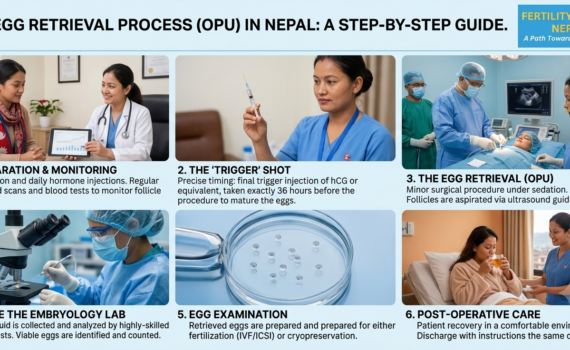
In the egg retrieval process in Nepal, doctors perform a small surgery known as transvaginal oocyte retrieval (TVOR). The egg retrieval process in Nepal is a very minor surgery, so that you can go home on the same day. Doctors use the ultrasound device so that they can see the actual image inside your body.  

At first, they insert a thin hollow needle, which is attached to the ultrasound device. This needle is gently passed through your vaginal wall and enters directly into Your Ovaries. Then the doctors gently vacuum the follicle fluid containing the eggs. This process takes about 45 minutes. 

Whereas if the men’s sperm are needed, they are extracted through masturbation. However, if there is a problem with male fertility, doctors could perform surgery to retrieve the sperm directly.  Names of the surgeries are PESA, MESA, and many more.

The next process is fertilizing the collected egg and sperm. There are two methods. The first is the conventional method, where thousands of sperm are placed in the same spot with or with only one egg. The second method is Intracytoplasmic Sperm Injection (ICSI).

Embryo culture and development: The fourth stage in the process of in vitro fertilization, IVF, is embryo culture and development. After fertilization has occurred, the embryo is now formed, so the doctors will now transfer it into the incubator. An incubator is a device that behaves as an artificial womb or uterus. 

Till the embryo has reached a state where it is healthy and strong enough to be transferred to the actual uterus of the intended mother. Some people actually freeze their fertilized healthy embryos for future use. 

In some cases, when the timing is not right and when individuals want to focus on their careers or due to any medical conditions, they could actually use this frozen embryo for further embryo transfer when they want to have children in the near future.

If the embryo is healthy enough. The doctor will transfer this embryo to the real uterus. There are two types of embryo transfer: the first is Fresh embryo transfer (FET), and the second is frozen embryo transfer, which we have talked about earlier.  

In the fresh embryo transfer process, first of all, doctors prepare the bladder so they can actually see the full display through the ultrasound device. Then, a very thin, flexible plastic tube known as a transfer catheter is used. This catheter has embryo liquid. 

This tube is inserted into the vaginal wall and passes directly through the cervix till they reach the uterine cavity. The uterine cavity is the place where the embryo attaches itself to the mother’s uterus. This uterine cavity actually provides nutrients and essential oxygen levels to the baby. Through the blood of the mother. 

When doctors actually reach the uterine cavity, they gently release the embryo’s liquid inside the uterine cavity. This surgery is a very low-impact surgery. After the surgery is done, the patients typically rest for about 10 to 15 minutes before heading home.

Egg Retrieval Process in Nepal

Egg Freezing Cost in Nepal

Estimated Cost Breakdown

Component Approximate Cost (NPR) What It Covers
Initial Procedures and Retrieval 100,000 to 300,000 Ovarian stimulation monitoring, hormonal injections, egg retrieval surgery, and initial flash-freezing (vitrification).
Annual Storage Fee 10,000 to 25,000 per year Secure cryopreservation maintenance in liquid nitrogen tanks to keep the eggs viable.
Preto Procedure Testing 15,000 to 30,000 Initial fertility assessments, blood panels (AMH, FSH, LH), and transvaginal ultrasounds.

Success rate of IVF in Nepal

Patient Category Success Rate of IVF in Nepal
Women under 35 years 60% to 70%
Women aged 35 to 37 50% to 60%
Women aged 38 to 40 40% to 50%
Women over 40 years 25% to 35%
IVF with Donor Eggs 65% to 75%
IVF with ICSI (Intracytoplasmic Sperm Injection) 55% to 65%
Frozen Embryo Transfer (FET) 50% to 60%
IVF with PGT (Genetic Testing) 60% to 70%

How to Measure IVF Success Rate?

To check the success rate of IVF in Nepal, start by researching accredited fertility clinics with transparent reporting. Reputable clinics often publish their IVF success rates based on age, procedure type, and patient condition. Look for third-party verifications, patient testimonials, and clinic certifications. It’s essential to compare live birth rates, not just pregnancy rates, for accuracy. Also, consult with the clinic directly to understand how their statistics apply to your case, including factors like age, egg quality, and underlying fertility issues.

  • Research accredited fertility clinics in Nepal with good reputations.
  • Visit official clinic websites to find published IVF success rates.
  • Ensure the data is recent and categorised by age group and procedure type.
  • Look for success rates based on live births, not just pregnancies.
  • Check for third-party audits or regulatory body certifications.
  • Read verified patient reviews and success stories for insights.
  • Consult directly with the clinic’s fertility specialist for personalised success probability.
  • Ask about the number of cycles done annually and their cumulative success rate.
  • Verify use of advanced techniques like ICSI, PGT, or blastocyst culture.
  • Understand factors affecting success, like egg/sperm quality, uterine health, and lifestyle.

Egg freezing process

The egg freezing process start by doctor prescribing you a couple of tests. The tests are done to make sure how much egg reserve you have in your ovaries. The egg freezing process in Nepal is very advanced and at a very affordable cost. 

First, initial testing and preparation. Doctors will start by taking your blood test, and a pelvic ultrasound will be done. Doctors do this because they want to check your ovarian reserve. Ovarian reserve is a measure, and it is a ratio of how many eggs you have actually left in your ovaries, and according to them, they tell your medication doses. In the next step, you will learn why you need medication. 

The next step is ovarian stimulation. In this step of the whole process, the ovarian stimulation is usually for 10 to 12 days. Normally, your body matures only one egg per month, as we have said, but you are going to freeze eggs, so doctors want as many as possible so that they can actually freeze the healthiest ones.  To stimulate your body to produce more than one, they give you hormonal injections daily for nearly 2 weeks. The tests in the first place are done for this phase. The drugs that are used for ovarian stimulation are known as follicletostimulating hormone (FSH) or luteinizing hormone (LH).

The next step is the retrieval of these eggs. A doctor performs a very minor surgery known as follicular aspiration, which is a very minimally invasive outpatient procedure. It is done in 20 to 45 minutes without any complications. The process of this surgery involves putting you under anesthesia, so you will feel no pain after that. With the guidance of the ultrasound, a small needle that is attached to the ultrasound probe device will be inserted into your vagina. 

It will pass through the cervix opening and into the ovaries. A small,  gentle suction pressure will be used to gently suck out the fluid that contains the egg. After 15 to 30 minutes, you can go home. 

The next step in the process is vitrification. Human female eggs are the largest single cells of the body, and they are filled with water. So if you naturally try to freeze the water, small, sharp crystals will form. They could damage the eggs. So in the vitrification process, the goal is to drop the temperature so quickly that water does not have time to form those crystals; instead, they just freeze in that state.

Even though people think that it is a very small procedure, there are so many factors that are at play, such as what is the number of eggs. Even though doctors try to retrieve as many eggs as they can, not every egg actually matures, not every egg survives the freezing process, and not every egg will be used in the near future pregnancy treatment.

The quality of the egg is also based on the age of the female. Typically, the biological clock term is right because after 35, the egg quality starts to drastically drop. 

Another factor that is at play is, what is the lifestyle of a woman. Even though she could be more than 35 years old, it does not mean that she cannot freeze her eggs; it just means that if her lifestyle is good, then there is a higher chance of her having healthy eggs. 

The process is not 100% guaranteed. You can freeze eggs at the right age, you can decide to have children at the right age, but sometimes it is not 100% guaranteed that the freezing process will work for the future. It increases the chances of having children, but it does not give you 100% full pregnancy.

Egg freezing meaning

Many people have doubts about how egg freezing is practised in Nepal.  Also, what is egg freezing in Nepal actually? Egg freezing is also known as gamete freezing. It is the process by which women prefer to freeze their eggs for future use. Let’s understand egg freezing in Nepal in simpler terms. 

Egg freezing meaning in Nepali

Egg freezing in Nepal or any other part of the world is the same. It is performed in the same way, with the same precision. Women usually involuntarily produce eggs every month. If that egg is fertilised by the sperm, then a baby is conceived. If not, then menstruation happens.  These eggs are important for pregnancy. 

However, due to any foreseeable reasons, such as chemotherapy or any surgery, it will make it harder to conceive a child in the present. So, egg freezing in Nepal comes in handy. Egg freezing in Nepal is also known as mature oocyte cryopreservation. Doctors would actually freeze the egg in the formation when it’s mature, so that when the individual is ready, they can just unfreeze the egg and use it. 

Egg freezing in Nepal is not as costly as in Western countries. The frozen egg can be used even if you do not use it for years on end.  Now, let’s go through the egg freezing process in Nepal.

Egg freezing cost in India

Egg freezing in India involves a multi-step medical process. The average cost for a single complete cycle typically ranges from INR 1,20,000 to INR 2,50,000, depending on the clinic, your city, and the dosage of medication required.

Stage What It Covers Approximate Cost (INR)
1. Initial Assessment and Diagnostics Specialist consultations, blood tests (such as Antimullerian Hormone/AMH), and pelvic ultrasound scans to check ovarian reserve. 5,000 to 15,000
2. Ovarian Stimulation Daily hormonal injections taken for 10 to 12 days to stimulate the ovaries to grow multiple eggs, along with monitoring scans. 50,000 to 1,50,000
3. Egg Retrieval (Ovum Picktoup) A minor outpatient surgical procedure performed under sedation or light anaesthesia to retrieve the mature eggs. 30,000 to 1,00,000
4. Lab Freezing (Vitrification) The advanced laboratory technique used to rapidly freeze the retrieved eggs using liquid nitrogen. 30,000 to 60,000
5. Annual Storage Recurring annual fee to safely preserve and maintain the frozen eggs in the cryogenic storage facility. 10,000 to 30,000 per year

Important factors to keep in mind:

  1. First year storage: Many top fertility clinics include the first year of storage within their initial cycle package, but it is always best to confirm this upfront.
  2. Number of cycles: Younger individuals often produce a high number of quality eggs in a single cycle. However, if the ovarian reserve is lower, a doctor might recommend a second or third cycle to retrieve an optimal number of eggs (typically 10 to 15), which multiplies the cost.
  3. Future costs: When you decide to use the eggs later, there will be separate charges for thawing, fertilisation via In Vitro Fertilisation (IVF) or Intracytoplasmic Sperm Injection (ICSI), and embryo transfer. This future phase usually costs between INR 70,000 and INR 1,50,000.
  4. Most health insurance plans in India treat elective fertility preservation as a non-essential or elective procedure, meaning it is rarely covered out of pocket, though many clinics offer monthly instalment (EMI) options to help manage the upfront expense.

Best Gynecologist in Nepal

Find out the Best Gynecologist in Nepal

Category : blog

Difference between Gynecologists and IVF doctors

One of the biggest misconceptions people have when it comes to reproductive health care for women is that Gynecologists and IVF doctors are the same. Questions like “What is the difference between a gynecologist and an IVF doctor?” “And does it even make any sense that we have to have different doctors for the same problem?”  “Is there any difference between these two terms?”

Medically speaking, these two terms are very distinct on a foundational level. Let’s get to understand what is the difference between a gynecologist and an IVF doctor. 

The primary and Main difference between these two is that the general gynecologist is a doctor for general female reproductive health. They perform routine exams and manage pregnancy and childbirth. Whereas IVF doctors are infertility specialists, they are for couples or individuals who are not conceiving a baby due to many natural infertility causes. They are specialised in the field of actually helping couples overcome their biological elements or any kind of structure to conceive a child. 

Now, how do they actually treat it? How is their treatment different? Gynecologists are very famous for actually treating any infections, pcos or any prescribing any kind of birth control, and delivering babies, treating yeast infections as well. 

Whereas IVF doctors actually help the couples through hormonal stimulation, surgical treatments, and actually having a lot of treatment in the lab itself. 

Their patients actually are the mass of women from adolescence getting treatment; however, in the case of ivf, any couple or individual who is experiencing infertility can seek an IVF doctor. 

Where can I find the best IVF treatment in Nepal?

Fertility Centre Nepal is the most sought-after choice for anyone who is not able to conceive naturally. Fertility Centre Nepal network has been in the field of assisted reproductive technology for more than fifteen years. Over these 15 years, they have made couples’ dreams of having a baby come true.  

Fertility Centre Nepal has the best team of nursing staff, and with its specialized team of experienced doctors, it has sent many older couples home with arms heavy with babies. 

Top 10 Gynecologists in Kathmandu: Best Gynecologist in Nepal, Kathmandu 

Doctor Name & Credentials Core Clinical Expertise Primary Hospital / Clinic Attachments
Dr. Smrity Maskey, MS High-risk pregnancy, fertility support, menopause management, and general reproductive disorders. Clinic One (Lalitpur) & KIST Medical College & Teaching Hospital
Dr. Bhola Rijal, MBBS, MD Senior pioneer of IVF in Nepal, advanced infertility solutions, and complex obstetric surgeries. HAMS Hospital (Dhumbarahi)
Dr. Lata Bajracharya Shakya, FRCOG Operative laparoscopy, reproductive endoscopy, and complex gynecological surgeries. Nepal Mediciti Hospital (Bhaisepati)
Dr. Padam Raj Pant, MBBS, MD Chief consultant of high-risk obstetrics, maternal-fetal health, and heavy bleeding management. HAMS Hospital (Dhumbarahi)
Prof. Dr. Tarun Pradhan, MD Urogynecology Specialist: Pelvic organ prolapse, urinary incontinence, and minimally invasive surgeries. Sowa Health Care Center (Lalitpur)
Dr. Anju Shrestha, MD Gynecologic Oncologist: Complex reproductive cancer surgeries (cervical, ovarian, and uterine cancers). Nepal Cancer Hospital & Clinic One
Dr. Nira Singh Shrestha, MD Minimally invasive keyhole surgeries, alternative birth practices (water birth), and general wellness. Nepal Health Clinic (Kathmandu)
Dr. Reena Shrestha, MS Vaginal hysterectomies, family planning counseling, and public maternal health guidelines. Patan Hospital (Lagankhel) & Clinic One
Dr. Noora Pradhan, MD Advanced laparoscopic surgeries, obstetric ultrasound scanning, and acute menstrual disorders. Venus Hospital (Mid Baneshwor) & Clinic One
Dr. Anupama Gurung (Suwal), MD Specialized In Vitro Fertilization (IVF), intrauterine insemination (IUI), and hysteroscopy. Venus Hospital (Mid Baneshwor)

Which hospital is the best for a gynecologist in Nepal

 Best Gynecologist in Nepal

Best Gynecologist in Nepal

There is no single answer about what the best hospital for Gynecologists in Kathmandu is. Because different types of treatments need different types of doctors, and having a favourite doctor or obstetrician is an experience everyone experiences on a personal level. 

Paropkar Maternity and Women’s Hospital

Right now, one of the best specialised maternity clinics or hospitals in Kathmandu is Paropkar Maternity and Women’s Hospital. It is popularly known as Prasuti Griha. 

It is Nepal’s oldest and largest government maternity hospital. It handles a very large number of deliveries throughout the country annually. 

Tribhuvan University Teaching Hospital

Next is Tribhuvan University Teaching Hospital. It is a premier academy medical centre. The Department of Gynecology and Obstetrics actually has a very large number of senior professors who train the rest of the country’s gynecologists. It is the best location who have underlying medical conditions like heart disease, severe diabetes, or any renal issues.

Nepal Medicity Hospital

If you are talking about private hospitals, Nepal Medicity Hospital comes at number one. It actually offers a luxurious patient experience. It has an international level of infrastructure.

Best gynecologist in Bharatpur, Nepal. Best doctor for a gynecologist in Nepal

Bharatpur is a district located in Chitwan, Nepal. And it has become the medical capital of Central Nepal very quickly. Let’s go through why Bharatpur is one of the best prices for IVF. Bharatpur has many of the largest institutional teaching hospitals of Nepal, like Chitwan Medical College, and it also has an international fertility centre. It also has a very big number of integrated care, okay. 

One of the best features is that you do not have to endure the traffic and pollution of Kathmandu to actually get the top-tier fertility care of the country. Such as Vatsalya natural IVF and specialized centres have very big, advanced embryology labs right in Bharatpur. 

The best feature is that it is highly competitive and has a very good cost structure. For example, a standard IVF cycle with your own egg and with your sperm has an estimated cost starting from 2,80,000 rupees, and if you want to do it with the ICSI treatment, you should know that the treatment will start from 3 lakh 50000 rupees. 

Best gynecologist in Bharatpur, Nepal

Now let’s discuss the best gynecologist in Bharatpur. Bharatpur actually houses a very big number of gynecologist which are in the top category, providing top-category fertility centres and services to the patients. 

Renuka Tamrakar Mishra

One of the first ones is doctor Renuka Tamrakar Mishra. She is currently an assistant professor at Chitwan Medical College Teaching Hospital.

Dr Sunil Mane Pokharel.

The second best gynecologist in Bharatpur is Dr Sunil Mane Pokharel. He is a chief consultant obstation and gynecologist at a government-run Bharatpur hospital. He has a very big record of high-risk pregnancy management and general reproductive disorders.

best gynecologist in Janakpur, Nepal

If you want to find the best gynecologist in Janakpur, also known as Janakpurdham, the capital of Madhya Pradesh province, you don’t have to look any further. Jnaakpur features many highly accomplish gynecologist and obstetricians. In this city, the most senior specialist operates across major institutions, primarily in the government, running the  Provisional Hospital Janakpur. Also in the private healthcare sector, like Kavya Hospital. 

Let’s discuss the best gynecologist in Janakpur. 

Ruby Singh

The first of them is doctor Ruby Singh, who is widely regarded as one of the most prominent and sought-after senior gynecologists in province number do. She is currently a senior consultant gynecologist at Kavya Hospital, and she also provides consultations at the  Provisional Hospital Janakpur. You must have heard about Satyam Clinic on Hospital Road, which was founded by her. 

Dr Ram Naresh

The second best doctor is Dr Ram Naresh pandit is he is a very influential clinical and academic leader in the region’s maternal health sphere. Right now, he holds the position of senior consultant in the department of obstetrics and gynaecology at the Provisional Hospital Janakpur. 

Dr Murari Thakur 

The third best doctor in the whole of Janakpur, the third best gynecologist in the Janakpur list, is Dr Murari Thakur, currently working as an consulted cannologist at the Provisional Hospital Janakpur. 

If you want more advanced fertility treatment such as IVF or laparoscopy, you can actually find Dr Jitendra Kumar Singh, who is a very highly skilled obstetrician, gynecologist, and infertility specialist from Pacific IVF centre situated at Lalitpur. 

best gynecologist in Pokhara, Nepal

Doctor Name Hospital / Clinic Clinical Location & Address Primary Areas of Expertise
Dr. Bhishnu Palikhe Charak Memorial Hospital Pokhara-8, Nagdhunga (Near Siddhartha Highway) Minimally invasive laparoscopic surgeries, minimal access surgery, and high-risk pregnancy tracking.
Dr. Giri Prasad Gurung Gandaki Medical College (GMC) Pokhara-9, Prithvi Chowk Heavy pelvic bleeding, fibroid removals, and structural birth adjustments.
Dr. Heera Tuladhar Pokhara Academy of Health Sciences Pokhara-11, Ramghat (Western Regional Hospital) Complex public healthcare and emergency maternal scenarios.
Dr. Sharmila Shrestha Fewa City Hospital & Research Center Pokhara-8, Nagdhunga Routine prenatal/postnatal monitoring, painless labor counseling, and compassionate adolescent care.
Dr. Durga Gautam Pokhara Medical Center Pokhara-9, New Road Polycystic ovary syndrome (PCOS) mapping, menstrual irregularities, and family planning medicine.

best gynecologist in Biratnagar, Nepal

If you are talking about who the best gynecologists are in Biratnagar, Nepal, as it is the most clinical centre for the whole eastern Nepal, and it has a very big private clinic and large medical schools. 

Dr Geeta Rana

The first doctor is Dr Geeta Rana, who actually works in her own clinic, Rana Nursing Home, and also at the Saptakoshi Hospital. She is the most celebrated and historically trusted female doctor in the whole province, while she is specialises high risk of streaks and general women’s wellness. 

Yam Bahadur Shreshtha

If you want an expert in surgical intervention or handling massive hemorrhage, or any kind of PID, also known as chronic pelvic inflammatory diseases. You should go to Dr Yam Bahadur Shreshtha.

Dr Balkrishna Saha

At the Noble Medical College and teaching house, Dr Balkrishna Saha is the most sought-after choice for you. He has a speciality in cesarean section during the delivery and fetal anomaly scans. Dr Preeti Yadav actually works in Biratnagar  City Hospital.

Best gynecologist in Butwal & Nepalgunj, Nepal

Best gynecologist in Butwal, Nepal

  1. Dr. Chandra Kanta Sharma: Butwal Hospital Pvt. Ltd. offers diagnostic evaluations, personalized prenatal delivery timelines, and complex obstetric care.
  2. Dr. Bindu Kharel: She is one of the best gynecologists in Nepal. Currently, she works in the Butwal Hospital Pvt. Ltd. AT Golpark, Butwal. Additionally, she offers Long records in Long-term fertility workups, general gynecology, and communicative patient care.
  3. Dr. Lok Bahadur Sedai works at Sishu Fertility Clinic / Lumbini Provincial Hospital. He provides very services such as Ovulation induction, reproductive tract diagnoses, and advanced fertility advocacy.
  4. Dr. Shakuntala Gupta, She has a good and very big experience with managing chronic hormonal conditions, thyroid-related reproductive disorders, and menopausal wellness.
  5. Dr. Rajendra Khanal: He has done many institutional deliveries, ovarian cystectomies, and emergency pelvic interventions throughout his career. 

Best gynecologist in Butwal, Nepal

Nepalgunj Dr. Manju Bista Kanti Arogya Hospital Karkando, Nepalgunj Prenatal care, safe delivery practices, hormonal imbalances, and complete pelvic pain diagnostics.
Nepalgunj Dr. Ankur Bhandari Nepalgunj Medical College / Vayodha Hospital BP Chowk / Surkhet Road, Nepalgunj Advanced laparoscopy (minimally invasive keyhole surgery) and clinical obstetric trauma management.
Nepalgunj Dr. Kumkum Jha Nepalgunj Medical College & Teaching Hospital Kohalpur / Nepalgunj City Center Office Extensive surgical cases, abdominal hysterectomies, and high-risk obstetric admissions.
Nepalgunj Dr. Indranil Ghosh Kanti Arogya Hospital Karkando, Nepalgunj Gynae-Oncology Specialist: Reproductive tract cancers (cervical, ovarian, uterine) and advanced oncological surgeries.
Nepalgunj Dr. Reeta Bista Bheri Hospital Hospital Road, Nepalgunj Complex referral emergencies across the western belt and large-scale public maternal health interventions.

Best female gynecologist in Nepal

Dr. Lata Bajracharya Shakya is the best female gynecologist in Nepal. She has experience of more than 25 years and considered most influential figure in maternal healthcare in whole nepal.

Top 10 Gynecologists in Nepal

S.no Specialist Name Clinic Name
1. Dr Sanu Maiya Shrestha Creator’s IVF Nepal
2. Dr. Usha Karki National IVF Centre
3. Dr. Pratikshya Pandey Vatsalya Natural IVF
4. Dr. Neha Homagai Indira IVF Nepal
5. Dr. Manisha Acharya Indira IVF Nepal
6. Dr. Nikita Dhakal Slavica IVF & Research Centre
7. Dr. Mira Thapa Angel Fertility Clinic
8. Dr. Anupama Suwal Venus Hospital
9. Dr. Neelam Sah Sishu Fertility Clinic
10. Dr. Silpa Panta Sishu Fertility Clinic

Frequently asked questions

  • Is IVF successful in Nepal?

There are factors that we have to consider before actually thinking about the successful treatment. Even though the success rates we have discussed with you are mentioned, there are many factors at play.

One of them is what causes infertility. There are thousands or millions of things that can go wrong in your whole body. And they could challenge your desire to have a child. So doctors, when they actually do the initial consultation, they make sure to know what kind of fertility issue you’re having. If you have a blocked fallopian tube, it would depend on what kind of treatment you will get and what kind of chances you will have.

For example, let’s say that you have PCOS.  In PCOS, the cost of the treatment increases, and the chances are low because the body of the woman during PCOS is already on high alert mode. And during the ovarian stimulation phase, doctors might not want to actually stimulate your ovaries any longer.

In pregnancy history, some studies have shown that women who have had a successful previous pregnancy have the higher or the having a successful IVF treatment. 

There is a clear difference between the pregnancy and live birth rates.

The success rates that we have discussed now are the successful fertilization and transfer of the embryo, which was created in the lab. It does not mean that you would have a successful pregnancy; these are two different terms. A thousand things could go wrong after the successful and you after embryo transfer has been done. After 2 or 3 weeks, your body decides to kill that embryo. 

  • What is the cost of IVF per cycle in Nepal?

The average cost of a standard IVF cycle using your own and your partner’s sperm in Nepal ranges from 3 lakh to five lakh Nepali rupees. If we are talking about lower, it could drop something around 2,50,000 rupees to 3,00,000 rupees in Nepali rupees.

  • What is IVF in Nepal and its process?

Fertilization is a whole process that happens when men’s semen and women’s egg meet inside the woman’s body, successfully merge, and further ends in pregnancy. There are many stages in it, but of course, pregnancy is the last stop in this race.

This is natural fertilization; it does not need any kind of assistance from external elements, as whatever is happening is happening in the body’s reproductive system. However, when this so-called natural conception does not happen naturally for any reason, that’s where IVF enters the room.

  • Advanced pre-treatment screening: This stage is basically all the important tests that should be done so doctors can know the status of the reproductive system. Below is the list of all the tests.   
  • Ovarian stimulation is the next stage. In this phase, the eggs are being prepared. Basically, doctors give women a lot of medication to produce eggs. Usually, women produce only eggs on a monthly basis. However, these medications can make women produce multiple eggs at once. 
  • Now the time is for actually collecting the egg from the body for further procedure.
  • Now the next step is to fertilize sperm and eggs. In conventional methods, about 50000 sperm are placed in a petri dish with a single mature egg, waiting for sperm to penetrate the egg on its own. However, in ICSI treatment, only a single sperm is directly injected into a mature egg.
  • If fertilization methods are successful and the embryo is formed to transfer the growing embryo in the incubator. It is a special laboratory device. It is controlled in terms of temperature, functioning as a uterus till the embryo is strong enough for transfer.
  • Embryo transfers it to the next step. The fertilized embryo is set to be transferred into the mother’s uterus through minor outpatient surgery. 

IVF Clinic Biratnagar – Serving the best fertility treatments

Best IVF Clinic Biratnager _ Fertility Centre Nepal

IVF Clinic Biratnagar is a specialized clinic which is serving the best fertility treatments available to all the couples who are unable to conceive naturally due to the cause of infertility. IVF Clinic Biratnagar now becomes one of the most favored destinations for all those couples who are seeking the help of the IVF clinics to fulfill their dream of having their own baby. IVF Clinic Biratnagar is a fertility clinic which is best known for their services and treatments which they offer to each individual who visit Biratnagar city and they use the best quality of drugs and disposables which are used for the fertility treatment.

What is an IVF treatment?

To proceed further, you should know about the IVF treatment. IVF treatment is one of the most commonly used procedure at IVF Centre Biratnagar in which the fertility experts will collect your egg and your husband sperms and then fertilize them in culture dish outside the women body but in the IVF laboratory under specific circumstances. Once the fertilization occurs the fertilized egg will be placed by your embryologist into your uterus to establish the successful pregnancy. With the help of this procedure, more than 80% of the women are able to achieve the pregnancy at IVF Centre Biratnagar. If in case you are unable to achieve the successful result in one cycle than you can repeat the IVF cycle at IVF Centre Biratnagar as most of the women have undergone for more than two IVF cycles to fulfill their dream of having their own baby.

Why people prefer IVF Clinic Biratnagar for their IVF treatment?

The following are the reasons which make the IVF Clinic Biratnagar are the most favored destination for IVF treatments:

  1. a) Services Offered: The services which have been offered by the IVF Clinic Biratnagar such as counseling, personal and medical care before and after the treatment, transparency in the treatment, maintenance of all the documents properly so that you will not face any difficulty when you visit the IVF Clinic Biratnagar again for the follow-ups.
  2. b) Appearance: The appearance of the IVF Clinic Biratnagar will give you the positive energy at the time you will enter in the clinic. You will find that all the doctors including other staff members are properly coordinating with you and will speak with you with all due respects and politely as they are treating their own family member. You will feel and experience the warm in the atmosphere at IVF Clinic Biratnagar.
  3. c) Location of the IVF clinic: The IVF Clinic Biratnagar is situated in the middle of the city and it can be easily accessible by you which will save your lot of money and travel time.

Success Rate of IVF Clinic Biratnagar

The success rate of IVF Clinic Biratnagar for taking the baby home is around 70 to 80% which is quite high when you compared the success rate of other well-developed countries. Every year people traveling to Biratnagar are increasing rapidly because here they get the high success rate with low-IVF cost treatment.


Total Fertility Rate in Nepal

Total Fertility Rate in Nepal with Success Rate & Cost 

Total Fertility Rate in Nepal

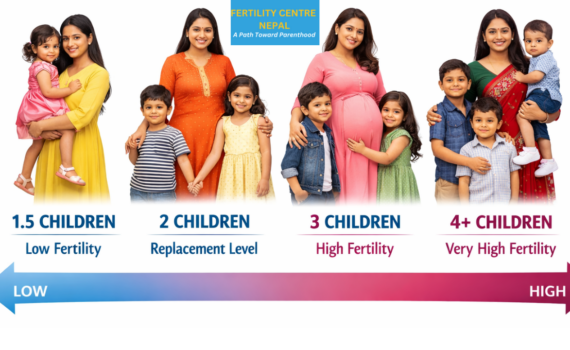
The total fertility rate in Nepal is 1.9 per woman; there is also a replacement fertility rate for Nepal. We are currently focusing on IVF treatment for the replacement fertility rate. IVF  is a hopeful journey for many intended couples, and most of them are hectic during their first meeting with the doctor. The basic problem in the medical procedure is a lack of understanding of the procedure. IVF is a series of complex procedures and needs the patience of both parents and the doctor. It is used for women with blocked fallopian tubes and multiple cysts in the ovaries. Depending on the situation, it may require gametes from other people and result in additional costs to the intended couples. 

While moving slowly in the journey towards becoming a parent, one should consider all angles like cost, ethical issues, and the rules of IVF in that native country. Nepal is the best option for parents who are looking for IVF at a low cost, and technical advances in medicine have been introduced in the country in recent decades. In the further sections of the article, you can check the best IVF center in Nepal. 

What is Fertility Rate?- Why should the fertility rate be maintained? 

The best fertility rate is maintained with the help of awareness and baby- planning. Maintaining a balanced fertility rate is important for the long-term stability of any country. When birth rates fall too low or rise too high, it can create economic and social challenges. A stable fertility rate helps maintain population balance, supports the workforce, and ensures that resources are used sustainably. Governments and health systems often focus on maintaining a reasonable fertility level so that societies can grow in a healthy and manageable way.

  • Balanced population growth: A stable fertility rate prevents sudden population decline or excessive population growth, both of which can strain national planning.
  • Sustainable workforce: When enough children are born, they eventually become part of the working population, supporting industries, services, and economic productivity.
  • Support for ageing population: In many countries, fertility decline leads to a larger elderly population. Adequate birth rates ensure there are enough younger people to support social systems.
  • Economic stability: Balanced population growth helps maintain tax revenues and supports pension and healthcare systems.
  • Social stability: A healthy population structure with balanced age groups helps maintain stable communities and social institutions.
  • National development planning: Governments can plan education, healthcare, housing, and employment more effectively when fertility levels remain stable.

Stepwise Procedure of IVF

The procedure of IVF involves several key steps. To select IVF Nepal, it is better to understand the whole procedure and cross-check the requirements. The IVF may vary from clinic to clinic and also depend on the modern types of equipment. It is also the reason to choose one which is the best IVF center in Nepal. The steps in IVF:

  1. Couples meet with the doctor and tell about the problem in conception, and after that doctor decides on their treatment procedure. 
  2. The next step includes several tests in which ultrasound and MRI are also involved to see the actual condition of the internal reproductive organs. 
  3. Now the ovary of the female is stimulated by giving hormones to release multiple eggs; it also depends on the health factor of the female. 
  4. The fourth step is the retrieval of eggs from the reproductive tract. 
  5. The sperm are collected from the male donor or male partner.
  6. Both male and female gametes are fused in the test tube to ensure fertilization. 
  7. The fertilized eggs after the blastocyst stage are implanted into the womb of the female. 
  8. Continuous monitoring of the Eggs is also done, and nutrition is also measured with time. 
  9. After 9 months of gestation period, child delivery and care are also done by the doctors.

Treatment Option Other Than IVF

IVF is not only a treatment for infertile couples, it is a terminal option for patients who can’t produce normal or healthy gametes to meet the need for fertilisation. Other than IVF many options can be used for fertilisation of gamete. Most of these treatments are based on intra-uterine transfer of gametes.

  1. Mini IVF
  2. IVF for HIV patients
  3. ICSI
  4. IMSI
  5. PGD
  6. IUI
  7. PICSI
  8. IVM

All these treatments are provided by Fertility Centre Nepal. Other section includes medication and hormone-based treatment of male and female infertility. In the case of surrogacy female fertility is taken care of, to reduce the chances of an abortion. IVF centres in Kathmandu also take care of the food intake of the mother during pregnancy and implantation. 

IVF Cost in Nepal 

The IVF cost depends primarily on the health factor and secondarily on the age, hormones, and the vitality of reproductive organs. The next big part is played by the success rate of IVF; if there are maximum chances of successful IVF, then there is no need for a second cycle, which automatically reduces the cost. 

The general cost of IVF in Nepal is 3,50,000 to 9,80,000, and it excludes the cost of gametes. IUI (Intrauterine Insemination),  IVF (In Vitro Fertilization), ICSI (Intracytoplasmic Sperm Injection IVM (In Vitro Mature Freeze Embryo Transfer (FET), Laparoscopic,  IMSI/PICSI are some techniques that may be required during the IVF treatment.

Fertility Treatment Approximate Cost (NPR)
Basic IVF Cycle 3,00,000 – 4,50,000
IVF with ICSI 4,00,000 – 5,00,000
IVF with Egg Donor 4,50,000 – 6,00,000
IVF with Sperm Donor Up to 3,90,000
Frozen Embryo Transfer (FET) 1,50,000 – 2,50,000
Embryo Freezing (1 year) 40,000 – 60,000
PGD / Genetic Testing 2,00,000 – 11,30,000
IUI Treatment 15,000 – 25,000

Fertility Centre Nepal 

If you are a person who failed in several attempts of IVF and has no options left, then you can try Fertility Centre Nepal. With a high success rate of 60%, it has maintained a reputation in the list of the best fertility centres in Kathmandu. It is not about the capital city only, there are several centres at different locations. Kathmandu Fertility Clinic has given hope to many couples who are facing hectic situations. 

During IVF treatment, all people face issues and don’t understand the complex procedures involved. Here are some unique key points mentioned by the clinic itself:

  1. Several tests and procedures at one destination
  2. Top counselling sessions for a better process.
  3. Guaranteed treatment packages.
  4. Suitable IVF cost in Nepal.
  5. State of the ART technologies and methods.
  6. The highest IVF success rate in Nepal.
  7. Top-knowledgeable doctors for IVF treatment in Nepal.

Which is the best fertility centre in Nepal? 

At the same cost as mentioned in the above sections, Fertility Center Nepal is giving a new life to many intended couples to become parents. Many of them face severe infertility issues and also face failed IVF treatment in their journey. The clinic is designed to give benefits to all kinds of patients, irrespective of their caste, religion, and country

How to Choose the Best IVF Treatment in Nepal

Choosing the best option is everyone’s priority, and it sounds difficult because searching in other countries for IVF is like filtering water through a sieve.  When surrogacy is required as an additional procedure for in vitro fertilisation, it becomes more costly. 

The average cost of IVF in India lies between 1.2 lakh to 2.5 lakh, and it depends on certain factors.

IVF treatment in India needs careful evaluation before moving into further procedures. You can consider the following factors while choosing one for you: 

  • Success Rates- The most prominent factor for choosing an IVF clinic is the success rate. It is a percentage from previous data collected, successful IVF rate is mentioned through it. It should be more than 60% for a better clinic. 
  • Technical Facility- There is a big requirement for technical types of equipment in IVF treatment, and this kind of infrastructure also increases the cost of IVF. 
  • Team Expertise- If a team of doctors or an overall medical team is experienced with smooth hands, then you can choose to stay with the IVF clinic. 
  • Patient Reviews- Honestly is the voice of the population, and you can see the reviews of people while choosing an IVF treatment in India 
  • Cost-Transparency- The price of IVF treatment in India is also a dominating factor in choosing an IVF clinic, as people plan everything in their budget. 

How To Maintain a Good Fertility Rate? 

IVF is a top art technique whose effectiveness depends on medical professionals, technological advancements, and patient hands. Your serious infertility issues may limit your ability to conceive and result in failure. IVF therapy can boost your chances of getting pregnant. It requires fit female partners and healthy gametes, which is not possible in the case of a recent lifestyle.

Additionally, it can be helpful to keep a watch on several factors. You must start by selecting the top IVF clinic with the best aids and techniques. Then select the best remedy for your needs that is suitable for many diseases. Next, keep your physical and mental circumstances in good shape. The outcome of treatment can be impacted by any problem condition. A doctor may also suggest some medication or a food chart before entering into the procedure. 

Success Rate of IVF in Nepal

The IVF success rate in Nepal is higher than in most developed countries. If the procedure is performed sequentially, there are high chances of a High success rate. Some doctors also suggest diet and exercise during the procedure. Maintaining a proper weight during the procedure may also increase the chances of conception. 

The success rate of all clinics working under Fertility Centre Nepal is quite high. It is more than 

70 per cento. It is maintained by the efforts of doctors and the team, and particular counselling sessions are also provided by management to inform about the procedure. The second important notice is that cryopreservation makes it easy for couples to use one-time gametes during failed IVF. 

What is the Role of Success Rate or Fertility Rate in IVF?

The success rate tells us about the efficiency of doctors and their teams. We can also see it as a probability factor of successful IVF treatment. However, it depends on many other factors, like proper diagnosis of the problem and an ovarian study. If the growth of gametes and factors affecting their growth can be seen properly, then the chances of successful IVF are increased.

After implantation, Screening and tests for checking the growth of the foetus are also factors during treatment. IVF cost in Kathmandu, Nepal, varies to a certain extent, and it also shows the success rate of their IVF procedures. 

Conclusion 

Total Fertility Rate in Nepal is reducing because of the lifestyle issues and not having a proper awareness about personal life issues. IVF success rate in Nepal is higher than most of the developing countries making it a preferred destination for infertile couples. You have to choose a clinic according to the success rate and it is also a suggestion not to prioritise cost. 

You have to choose one of them according to your needs. Surrogate mother price in Nepal also differs, it may be because of health issues and associated hormonal therapy. It is suggested to take a view of legal formalities before entering into the procedure of surrogacy. Certain guidelines from doctors and clinics should also be followed by patients


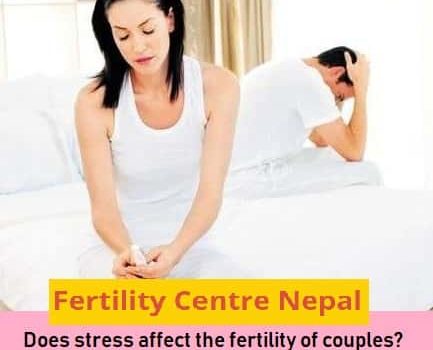
Does stress affect the fertility of couples

Does Stress Affect the Fertility of Couples?

Fertility in Nepal

The couples, who are struggling with the cause of infertility, for them not only infertility, cause stress, but stress may affect their fertility. It has been found that people who are unable to conceive a baby feel more stressed and not able to concentrate on their day-to-day life. The study says that fear about infertility can also lead to tension with your partner, and this can reduce your chances of pregnancy even further.

As we understand, coping with infertility is stressful, but it doesn’t mean that you give up and not try for better results. If your doctor is unable to find out the reason for your ovulation problems then you need to meet some good fertility expert who will help you in finding the causes which are stopping you to become parents and also help you in learning the better ways to cope with the anxieties that come with infertility.

What are the tips to reduce stress to increase fertility?

The fertility experts at Fertility Center Nepal will provide the best tips which help in reducing your stress and increase your fertility chances and these are:

•    Firstly, you both need to accept that you have no control over the past or the future. It means that you need to make a deal with yourself to live in the present and deal with the diagnosis.

•    Keep communicating with your partner.

•    Try to get emotional support which you can take from a couples’ counselor, books, internet or support groups, which can help you to cope with infertility issues.

•    Try to do some stress-reduction therapies such as meditation or yoga.

•    Avoid taking caffeine and other stimulants.

•    Exercise is the best way to release your physical and emotional tension, so for better results exercise regularly.

•    Discuss the medical treatment plan with your partner, including your financial limits.

•    Try to gather more and more information on the causes of your infertility and search for the best treatment option which helps you in conceiving a baby.

•    Do not leave your job to reduce your stress level as it will increase your stress level. To make yourself comfortable try to be with your friends which distract your mind and supports you.

•    And finally, remember to be your own best friend. Stop blaming yourself and your partner, treat yourself and your partner with consideration and respect which you give to others.

What is artificial insemination?

 Artificial insemination is a simple procedure which has few side effects, and this procedure helps many couples who were unable to conceive a baby. Artificial insemination is a procedure in which the fertility experts at Fertility Center Nepal will directly insert the sperm of your husband into your cervix, fallopian tubes, or uterus. The most common method of artificial insemination is the intrauterine insemination (IUI) where the fertility expert will place the sperm of your husband into your uterus. This is a very helpful procedure for the couples who are unable to conceive a baby as this procedure makes the trip shorter for the sperm and gets around any obstructions. Your fertility expert may suggest this method as the first-line treatment for infertility.

What type of infertility is treated with artificial insemination?

Artificial insemination is a procedure which can be used to treat many fertility problems. For example, in cases of male infertility, where the sperm counts are low or when sperm are not strong enough to swim through the cervix and up into the fallopian tubes, etc. can be treated with artificial insemination. When the issue is with female infertility, where the women have a condition called endometriosis or she has abnormal reproductive organs then this method may be right for the women if she has unreceptive cervical mucus. This means that the mucus which surrounds the cervix prevents sperm from getting into women uterus and fallopian tubes. Artificial insemination is a procedure where the sperm skip the cervical mucus entirely and the fertility experts often suggest this procedure when they are unable to find out the reason a couple’s infertility.

What happens before artificial insemination?

The fertility expert will use ovulation kits, blood tests and ultrasound to make sure that women are ovulating when they get artificial insemination. After that, your husband needs to provide his semen sample. Your fertility expert will advise your partner to avoid intercourse for 2 to 5 days before the procedure so that he is able to produce a high count of the sperm. When your husband semen sample is collected it will be properly washed in a laboratory within one hour of ejaculation.

What to expect during artificial insemination?

During this procedure first, your fertility expert will wash your husband sperm in the laboratory to remove the chemicals in the semen which may cause discomfort for you and raises the chances of getting pregnant. The lab technicians liquefy your husband sperm at room temperature for 30 minutes and after that, he or she will add a harmless chemical which separates out the most active sperm. After this, your fertility expert will place the sperm in a thin tube called a catheter and put through your vagina and cervix into the uterus. Artificial insemination is short and a painless procedure. You may experience some cramping during the procedure and light bleeding afterward the procedure is completed. Once the sperm properly set into your uterus you can go back home and resume your normal activities. There are some cases where your fertility expert will give some fertility drugs before the procedure so that you are able to produce more healthy and mature eggs.

Success rates of artificial insemination

The success rates for artificial insemination may vary individual to individual. There are some reasons where this procedure provides the lower success rates and these are:

•    Age of the women is above 35 years.

•    The couple has a poor quality of egg or sperm.

•    A severe case of endometriosis.

•    There may be a lot of damage to women fallopian tubes, usually from long-term infection.

•    Blockage of women fallopian tubes.


IVF Clinic Biratnagar- A solution for all types of infertility

IVF Clinic Biratnagar is a clinic which offers the solution to all types of infertility to couples who are dealing with the cause of infertility and unable to conceive naturally after having an unprotected intercourse for more than 12 months. The IVF Centre Biratnagar uses the latest and advanced techniques to treat the cause of infertility in couples whether it is complex or rare. The IVF Centre Biratnagar has the well-qualified and experienced fertility experts in the field of fertility management which helps a childless couple in conceiving a baby. The IVF Clinic Biratnagar offers a wide range of fertility treatments which allows couples to enjoy their parenthood happily.

Fertility treatments at IVF Clinic Biratnagar

Following are the fertility treatments which are offered by the IVF Clinic Biratnagar to conceive a baby:

  1. a) IUI: At IVF Clinic Biratnagar the fertility experts offer this treatment to you which are very cost-effective. In this procedure, the semen of your husband is processed with special culture media and kept in the incubator for a swim. After that, the fertility expert picks up the fast moving sperm and placed inside your uterus to facilitate fertilization. With this procedure the number of sperms increases and able to reach your fallopian tubes which will increase your chances of successful pregnancy.
  2. b) IVF: IVF is the most commonly used procedure at IVF Clinic Biratnagar where your eggs and your partner sperm or sperm of sperm donor will be mixed together in the laboratory under specific circumstances for fertilization and after that, the resulted embryo will be placed into your uterus.
  3. c) Egg Donation:  The IVF Clinic Biratnagar uses the egg donation procedure for those women who are unable to conceive with their own eggs and need the assistance. In such cases, the IVF Clinic Biratnagar borrow the eggs of young, healthy and fertile women who is between the age of 21 to 28 years without any medical illness and donate her eggs to the women who required for conception. In this procedure, the fertility experts at IVF Clinic Biratnagar will artificially inseminate the donated eggs with your husband sperm or sperm donor and the resulted embryo will be implanted into your uterus to achieve the successful pregnancy.
  4. d) ICSIICSI is a procedure at IVF Clinic Biratnagar which mostly use where male member is affected by the cause of infertility. In this procedure, the fertility experts at IVF Clinic Biratnagar will directly inject a single sperm of your husband or sperm donor into each egg for fertilization and after that, the resulted embryo will be placed into your uterus.

Success Rate

The success rate of IVF Clinic Biratnagar is around 75 to 85% which is quite higher, however, the success rate majorly depends on the age of the women; the young the women is the more are the chances of the successful pregnancy.

Mission & Vision of IVF Clinic Biratnagar

The main aim of the IVF Clinic Biratnagar is to offer the best fertility treatment throughout their journey at IVF Clinic Biratnagar and allow couples to live their life happily with their own baby.


infertility treatment nepal

Is a Woman alone Responsible for infertility?

What is  Woman  alone  Responsible for Infertility?

This is a myth that women are always responsible for the cause of infertility. Infertility is a disorder of hormones which can affect the men and women fertility; hence both are equally responsible for the cause of infertility. According to the study, about one-third of infertility cases are caused by women’s problems. Another one-third of fertility problems are due to the man and the rest of the cases are caused by a mixture of male and female problems or by unknown problems. But we are leaving in a male dominating society where they do not accept that men are equally responsible for not conceiving a baby. When they meet their doctor and came to know that not only women but men also dealing with the cause of infertility which means there is poor or low sperm count, sperm not present in ejaculate etc. can be the reason. After that, they decide to undergo some fertility treatments to fulfill their dream of having their own baby.

What is infertility?

Infertility is an ability not to conceive a baby after having regular intercourse for more than 12 months. Women who can get pregnant but are unable to stay pregnant may also be infertile. But with the advancement in medical science, the Fertility Center Nepal has various fertility treatments which help infertile couples to conceive a baby.

What are the factors that cause men fertility?

The following are the factors that cause man’s fertility and these are:

  • Poor functioning of man’s sperm that includes the quality of the man’s sperm.
  • Changes in man’s hormone levels.
  • Blockage in man’s tube which carries sperms can cause male infertility.
  • Low sperm count which can be due to an enlarged vein inside that loses the skin surroundings of man’s testicles.
  • Cancerous or non-cancerous growths.
  • Genetic disorders.
  • Radiation and X-rays.
  • The sperm quality can also be affected if there is any bacterial infection inside the man’s testicles which can convert as sexually transmitted infection (STI).
  • High intake of alcohol, drugs, and smokes can also affect the man’s fertility.
  • If the man had undergone for any surgery like vasectomy which is a procedure for preventing the sperms from leaving the testicles.
  • Medicines, especially those treating cancer, fungus, and ulcers can also be a reason for men infertility.

What are the factors that cause women fertility?

The following are the factors that cause women fertility and these are:

  • The women who are dealing with the problems to their reproductive system such as blocked or damaged fallopian tubes, the abnormal opening of the cervix, cancerous or noncancerous growths in the uterus, enlarged ovaries etc. can affect woman’s fertility.
  • A procedure where the fertility experts at Fertility Center Nepal collect the women eggs from her ovaries and mix with her partner’s sperm to facilitate fertilization, however, there are some women who face challenges while ovulating every month and for them, pregnancy is a big challenge.
  • Disease and disorders which include endometriosis. Endometriosis is a disease or disorder due to which women it becomes difficult to conceive as her uterine tissue will grow outside the uterus where she has enlarged ovaries that contain fluid-filled sacs.
  • Age is a major factor which affects the fertility of women as the older women face challenges while getting pregnant as her fertility decrease with increased age.
  • There are many women whose menopause stopped before their age of 40 years and they face challenges to get pregnant, also they face the other problems like immune system disease, cancer treatments, or a genetic syndrome.
  • The women who had undergone for the cancer treatments like radiotherapy and chemotherapy etc. can affect her fertility.
  • Medicines, especially those treating cancer, fungus, and ulcers can affect women fertility.
  • Access consumption of smoke, alcohol or any other drugs will harm the egg production which makes difficult for women to get pregnant.
  • An absence of woman regular periods can also affect her fertility.
  • Body weight of women can also be a reason for infertility. According to the study, overweight and underweight, both cases can affect a woman’s chances of getting pregnant. So, the fertility experts at Fertility Center Nepal suggest the women who are undergoing for the fertility treatment to maintain the ideal weight according to her body mass index (BMI) to achieve the successful results of treatment.

How fertility experts at Fertility Center Nepal treat infertility?

The fertility experts at Fertility Center Nepal treat infertility using medicine, surgery, artificial insemination or assisted reproductive technology. Many times they combine these treatments to achieve the highest success rates of the pregnancy. In most cases, infertility is treated with drugs or surgery.

Fertility experts at Fertility Center Nepal recommend specific treatments for infertility based on:

  • Blood test reports and ultrasound scans
  • How long the couple has been trying to get pregnant
  • The age of man and woman both
  • The overall health of the partners
  • Preference of the partners

Fertility experts at Fertility Center Nepal often treat infertility in men in the following ways:

  • Sexual problems: Male member who are dealing with impotence or premature ejaculation. In such cases, the fertility experts at Fertility Center Nepal use the behavioral therapy and/or medicines to treat infertility in men.
  • Too few sperms: Sometimes there are chances that surgery can correct the cause of the problem. However, in other cases, the fertility experts at Fertility Center Nepal can remove the sperms surgically directly from the male reproductive tract. They use antibiotics to clear up infections affecting sperm count.
  • Sperm movement: There are chances that men semen has no sperm because of a block in the man’s system. In such cases, surgery is the best option to correct the problem.

The fertility of women can be corrected with surgery. The fertility experts at Fertility Center Nepal use medicines to treat women with ovulation problems. Before taking these medications it is important that you should speak to your fertility expert about the pros and cons of these medicines. You should understand the possible dangers, benefits, and side effects before you consume any medications as it is a matter of your health.


The Infertility Voice- Fertility Centre Nepal

Category : Uncategorized

What is  Infertility in Nepal?

Infertility can be a lonely place. It’s hard to find others in your “real life” who are living this experience, but fortunately there are many couples those are facing same infertility problem. If you’ve ever felt silenced, lost or even shamed as you struggled to gain your bearings in the complicated world of infertility, this blog will help you to understand what exactly infertility is ?
Infertility is defined as the inability to conceive or carry a pregnancy to term after 12 months of trying to conceive.  If you are over the age of 35, the time of trying to conceive is reduced to 6 months. Infertility is a disease that results in the abnormal functioning of the male or female reproductive system. If you are trying to have a baby and it is not happening as quickly as you expected, you may wonder if you have an infertility issue.
Infertility may be due to physiological factors present in the both man and women. Infertility problem is not only related to the woman but it is related to both men and women. There are many infertility tests that can be taken to identify the cause of the problem. Some infertile couples have more than one cause of their infertility. Your doctor will usually begin a comprehensive infertility examination of both you and your partner.

Fertility Centre Nepal

Aspect Details
Definition Infertility in Nepal is Infertility treatment includes tests Clomiphene, Letrozole, hormonal injections Fertility Centre  Nepal
Prevalence Infertility affects an estimated 10–15% of couples in Nepal.
Male Infertility Causes Low sperm count, poor sperm motility, hormonal imbalance, infections, smoking, alcohol use, and stress.
Female Infertility Causes PCOS, blocked fallopian tubes, endometriosis, hormonal disorders, age-related factors, and infections.
Common Symptoms Irregular menstrual cycles, hormonal issues, sexual dysfunction, and inability to conceive.
Diagnosis Methods Semen analysis, blood tests, ultrasound, hormone tests, hysterosalpingography (HSG).
Available Treatments IUI, IVF, ICSI, Male Fertility,  Embryo Freezing/FET,
Fertility Clinics in Nepal Available mainly in Kathmandu, Lalitpur, and major cities.
Treatment Cost Range IVF treatment in Nepal generally ranges from NPR 300,000 to NPR 500,000 (varies by clinic).
Social Challenges Stigma, emotional stress, lack of awareness, and limited access to fertility care in rural areas.
Lifestyle Factors Poor diet, obesity, smoking, alcohol consumption, and stress can increase infertility risk.
When to Seek Help After 12 months of unsuccessful attempts (or after 6 months if the woman is over 35).
Prevention Tips Healthy diet, regular exercise, avoiding smoking/alcohol, timely medical checkups.

Fertility Treatment in Nepal 

A fertility specialist can speak to you about the recommended course of action based on your unique medical history and fertility situation. It is important to note that every couple’s fertility situation is different. Infertility is not an uncommon issue and regardless of age, couples are encouraged to seek help sooner rather than later. Starting early and getting the right advice and guidance will put you back in control and on the path to achieving your dream of having a baby.

Couples seeking fertility treatment often prefer to start with intrauterine insemination (IUI), which is seen as a less invasive and less intrusive procedure than in vitro fertilization (IVF). Simply put, IUI involves the insertion of a prepared sperm directly into the woman’s uterus close to the time of ovulation and during the fertile window. IVF has become, generally only one embryo needs to be transferred to achieve a successful pregnancy. In special circumstances, the couple and their doctor may decide to transfer two embryos into the uterus but either way they do not have to leave it to fate as they would when seeing how many eggs will be fertilized during IUI. If excess embryos result from an IVF cycle, these are frozen so further treatment can be achieved through the use of these “younger embryos” when the woman is older.
Although IVF treatment is widely considered to be a less costly fertility treatment option, the costs can add up if multiple IUI cycles are needed. Sometimes, a couple may have to undergo three or four IUI cycles to achieve the same success rate as a single cycle of IVF.


Fertility Center Nepal – A marvelous station for infertile couple

What is Infetility in Nepal?

Fertility center Nepal is really a marvelous station for the infertile couple because during the seeking hour of fertility center people are in a great dilemma and Nepal is the country achieving elite services in their fertility centers. Fertility center is such premises which provide the treatment related to fertility disorder. Fertility is the term which illustrates the potentiality to reproduce and when there is any problem such as hormonal imbalance or disorder in the reproductive system either in husband or wife then victim must visit the best gynecologist situated near to him/her. Fertility center Nepal is working for those infertile females and male who are being not able to conceive due to their biological problem.

Fertility center Nepal utilizes the number of the alternative procedure to achieve a successful pregnancy which leads happiness in those victims life. The most important is IVF that is in vitro fertilization. Here in vitro fertilization is such a procedure in which fertilization proceed outside human body that is in laboratory site. In vitro fertilization comprises the number of technique among them most preferred technique is:

  • Hysteroscopy
  • ICSI(Intracytoplasmic sperm injection)
  • IUI (Intrauterine insemination)
  • Surrogacy

Hysteroscopy is that methodology that permits experts to interpret current situation around the uterus so that they can investigate and proceed the treatment of the disorders. Hysteroscope is an instrument which assists while processing hysteroscopy.

ICSI treatment is for recovery of infertility of male and it is determined as successful treatment among any other. In ICSI individual sperm of male is injected directly into an egg. IMSI is such a treatment method which is utilized when ICSI is found as unsuccessful. IUI treatment is also a part of fertility treatment but in this treatment, sperm is directly placed into women’s uterus whereas IMSI is a method employed in IVF treatment to interpret and recommend the sperm by assisting with high magnification digital imaging microscope for microinjection into an egg. Fertility center Nepal is situated in different cities of the country such as Kathmandu, Biratnagar, Pokhara, and Birgunj.

The Fertility clinic in Kathmandu includes highly skilled and experienced doctors to succeed the treatment. Kathmandu has been a wonderful station among all other station because Kathmandu is the capital city of Nepal possessing overall services and people feel easy to travel either that is international or national. The Fertility clinic in Kathmandu offers very reasonable cost as compared to other clinics because the major objective of the entire team of the center is to assist in increasing possibility of pregnancy. Kathmandu is that city which will you’re your life full of happiness by helping you in achieving child. The Fertility clinic in Kathmandu is situated in the different location of Kathmandu so that victims would not face problem during traveling.


GET A QUOTE

    Attach Files


    We Provides Smile Over Faces

    Treatments

    Contact Us

      Attach Files