What to Expect at a Fertility Centre

What to Expect When You go for the First Consultation in the Fertility Centre?

Are you struggling to achieve pregnancy? Having hurdles in achieving pregnancy and seeking best guidance from the fertility expert? Here you are landed on the correct page, where you can find a complete detail regarding the pregnancy-associated issue. This page is about the information What to Expect at a Fertility Centre when you are planning to go for medical assistance.

If you are getting trouble to conceive through regular unprotected intercourse for more than a year, then this is the time you should rush for a fertility clinic. There are specific criteria of this rule as well; you want to know what. Couples under the age of 35 and attempting to conceive for more than one year, they might have infertility and is recommended for them to go for the guidance. On the other hand, couples who are above 35 and under 40, if they are trying to conceive for more than six months, then they should plan for their fertility consultation without any delay. If you are plus 40, later after three months, you should pay a visit. 

Your Ob-gyn will guide you for the next step and will recommend a fertility specialist who can solve the case if it is advanced. However, you need not take stress hearing the word – fertility treatment and meeting up with the fertility specialist. Take it Ease! It’s not at all a rocket science, where you have to think a lot.

So, you are outlining to pay a visit to the fertility centre. If yes, there are some aspects which you need to know before going fertility clinic for your fertility-related issue. 

Several things you need to keep in your mind –

We understand the first step of the fertility journey can be both – exciting as well as nerve-racking.  Couples at their first appointment with the fertility specialist have n number of question marks and the subject to ask.

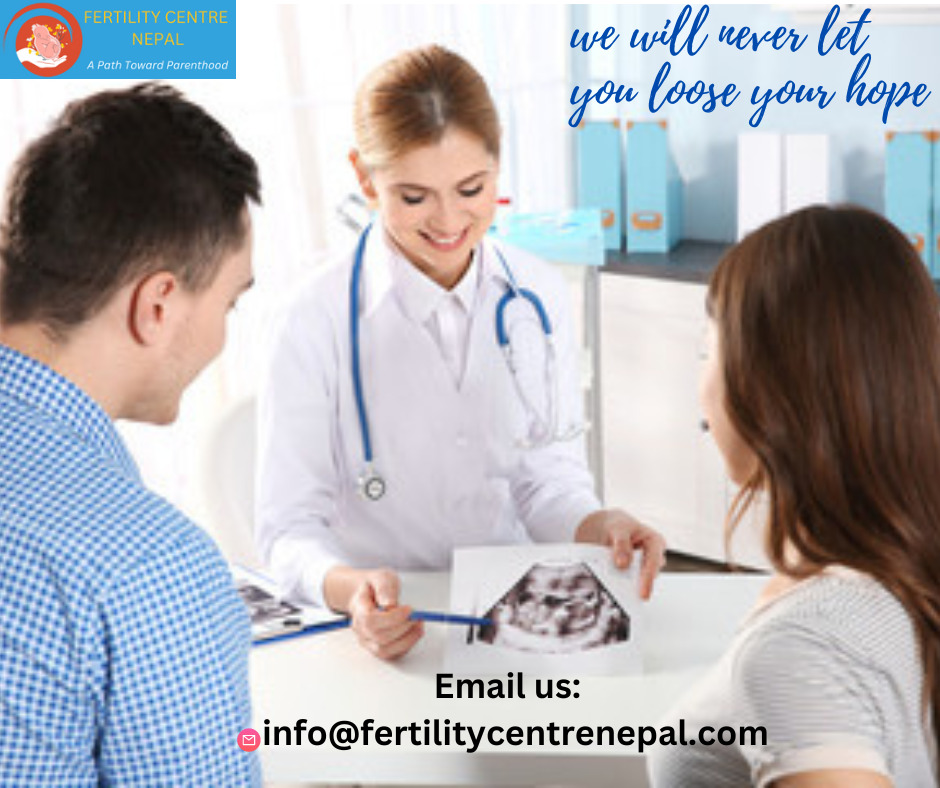
The first consultation of yours is essential in many ways; mainly, it’s an opportunity for you to find the keys of your so many questions. The main motto of the first consultation is to build a clear map of your fertility journey. During the session, the couple meets with the fertility expert and the team that cares for the patient’s requirements and needs. The specialist will evaluate the individual’s infertility issue. Once the doctor gets confirmed about the root behind infertility, the specialist will plan to perform the most appropriate treatment for your case.

Now the major question comes, what to expect, and what should be the preparation you need to do for your first consultation in the fertility centre.

Mentioned below are all the essential aspects which you should know for the first visit to the fertility centre.

What does a couple need to Bring?

  • A couple is required to bring the copies of medical records, that may include –
    • Records of the medical history
    • If the couple has undergone any fertility evaluation or treatment
  • Pre-plan the questions you want to ask from the fertility expert. It is the best idea one can do before lining up the consultation with the fertility centre. During the session, you need to ready to give the answer asked by the specialist as well. However, make sure you ask all questions by your side.
  • You can be there at the fertility centre with your partner. It’s not necessary to bring your partner. But for you to have your partner by your side makes a comfort zone to discuss with the specialist.

During A Couple’s Initial Consultation – Prepare yourself for the diagnostic test and the treatment if the specialist will suggest to you after the confirmation of your infertility. Mentioned below are some of the helpful examples or questions that you can ask for the first consultation. You can add any of your questions as well in the below list.    

  • Fertility evaluation: 

What is the cause that is becoming the hurdle in my pregnancy? What specific evaluation would you consider to diagnose my infertility reason? What is the cost of the evaluation test? How many fertility diagnostic options are there and which one is the best suitable at a reasonable price?

  • Diagnosis:

How many days do I need to wait to get the report of my infertility issue? Do I need to come again here in the centre or will I get my report through the mail? 

  • Treatment:

The treatment of your infertility disorder depends upon the result of your tests. The doctor will profoundly evaluate the case and let you know the appropriate treatment based on your infertility occurrence. Meanwhile, a couple may ask the specialist –

  • Based on the diagnostic tests, what are the fertility options available for me to get pregnant?
  • May I know the success rate of the treatments in terms of successful deliveries?
  • A couple must ask the success rate of the fertility centre, where they have been.
  • Is there any side-effect or risk associated with these fertility treatments?

You would likely to encounter following tests at the first visit –

Couples, during their initial consultation, have to go through with some tests. These tests are done to evaluate the base root of the fertility issue of a male or female. The tests are used to diagnose the couple’s fertility problems; set-up a baseline structure for future tests, and to identify the problem that is interfering with infertility issue.

At the first visit, you’re possible to come across with the subsequent tests:

For women:

  • Ultrasound to evaluate the female’s ovaries
  • Blood work (to test out female’s hormone levels) such as:
    • Follicle Stimulating Hormone (FSH)
    • luteinizing hormone (LH)
    • Thyroid- Stimulating Hormone (TSH)
    • PRL (prolactin)
  • Evaluation of fallopian tubes
  • Pelvic ultrasound examine

For men:

  • A male has to provide his semen sample to the fertility centre
  • Semen analysis test
  • Blood tests

AT The End –

Once a fertility expert gets familiar with the exact cause of a couple’s infertility, the fertility team recommends the patient the most appropriate treatment based on their case. Each individual has different issue according to the infertility issue –

  • If a woman is having the problem of ovulation, then it can be solved using the fertility drugs under the response by ultrasound. This procedure is known as ovulation induction. Ovulation induction is sometimes combined with IUI treatment as well (as per the case of the couple).
  • If the female has an issue in her fallopian tubes (either blocked or damaged), then IVF treatment is recommended.
  • If there is the primary issue of endometriosis, then IUI can also work. However, if a female has an advanced level of endometriosis, then IVF is the best option to achieve pregnancy.
  • If a man has less count of sperm or low mobility, then IVF treatment with ICSI is referred.
  • If a male has an advanced level of male factor infertility, then IVF-ICSI with Sperm Surgical Retrieval process is performed. This surgical procedure is suggested only when a male has no sperm in his semen sample.

Fertility Centre Nepal is one of the leading fertility treatments providers across Nepal and overseas as well. We do have several branches outside Nepal and inside Nepal. A couple, if seeking the best medical assistance for their pregnancy-related issue or fertility issues, then we are always there for them at any step.    


IVF Story

STORY of Successful IVF – Gurorijin and Idris – (Japan)

Before on-setting my IVF story from FERTILITY CENTRE NEPAL, I need to tell that my case of IVF is totally different and even I’m astonished how I had conceived and delivered TWINS via IVF treatment. Damn LUCKY in this case.

Okay! So, I’m a 53-year-old citizen of Japan and my husband is in his forty’s; we made a fabulous pair with each other but the significant part was missing from our life and that was our BABY. Since my menopause has put the last touch on 3 years ago; and for the past 3 years I’ve been trying to have my baby via ART methods, I mean IVF treatment from here only (Japan). Have undergone IVF with several clinics in Japan but unable to find the light at the end of the tunnel; we invested much money in our treatment, even from one of the centre we had taken an IVF guarantee package too but again nothing miracle happened. I don’t blame these centres (because they have done their best) as my case was complicated to get a hold of victory.  

After years of trying with an unsuccessful result, we started to fish around that centre, wherein actual miracle happens, then we were referred to FERTILITY CENTRE NEPAL, this centre was in Nepal. Why Nepal? Since my husband belongs to Nepal, we have some relatives residing there and by their way, we got to know about the Best Fertility Centre in Nepal. We outlined Nepal for the Last Hope to make our family comply with Happiness.

We met with Dr. Vishnu Deene there, had a nice talk with him regarding all our case and desire to have a baby via IVF (also informed about past failed IVF cycles). Few tests are performed and later they suggested IVF with embryo adoption option will be best for our case. But I swear, at that time I was like, HOPE this will work!

And YESSSS!!! It worked for the first time! We were so fortunate to undergo with the first IVF attempt with embryo adoption from FERTILITY CENTRE NEPAL with success for the very first time. Finally, I touched the wood and said No Doubt, there are some of the Miracle fertility Centres still existing, where such flabbergast happening takes place; anyone can count me as the Biggest Wonder case of IVF. I must say, the care and attention, which I received from this centre were totally inexplicable and gentle.

HOW DID FERTILITY CENTRE NEPAL TEAM HELP YOU TO MAKE YOUR JOURNEY A SUCCESS?

Each coordinator of FERTILITY CENTRE NEPAL was so amazing and experienced that we were 100% pleased from their nursing and attention, and entire treatment. Not just this, the senior specialist of this centre had been very supportive of me and always encouraged me and my husband to have faith in them and our fate. Doctor and the fertility coordinator always had a big smile on their face discussing with me about anything, they never let me down at any phase during my IVF or even after completing it.  It was really very nice to have a familiar team every time we would visit the centre.

WHAT ADVICE DO YOU HAVE FOR OTHER STRUGGLING WITH INFERTILITY?

To be very true, this centre has given me the biggest hope to pursue my rest of life lively and jovial with my husband and my twin’s. I just love the manner they have performed my IVF treatment success in the first case. For those who are struggling with their infertility days, need to convey a message- Don’t Give Up! Be always positive and stay confident. Surround yourself with positive people, cheer yourself, have time with your dear and near ones and go ahead for appropriate fertility treatment that can work best in your infertility case. Don’t blame anyone or anything for this journey, remember one thing, Impossible also is made of ‘I am Possible’. I know the journey of IVF sometimes can lead you frustrating and irritating but trust me it will work! A Night is always followed by Brightness.

TELL US ABOUT YOUR EXPERIENCE WITH FERTILITY CENTRE NEPAL-

Mine experience with FERTILITY CENTRE NEPAL was undeniably fantastic! Have been blessed with twins (baby boy and a baby girl) with the great effort by this centre, that too at the age of my 50’s; Barely-Credible. Personally recommend this centre to put an end of your infertility days.


What’s the Purpose of Egg and Embryo Donation?

Egg and embryo donation are the two ways to help the infertile couple in conceiving a baby, using donors.

Egg donation is a procedure in which the eggs from another woman are fertilized with the sperms of an intended father in a laboratory and the resulting embryos are then transferred to the uterus of the intended mother.

Embryo donation is a process in which another couple’s embryo is implanted in the uterus of the intended mother during IVF. Embryo donation is for the couples where both partner needs egg and sperm donation, or it can be used by a single woman who cannot use her own eggs.

How the procedure of an egg and embryo donation does works?

The process of egg and embryo donation starts with finding a healthy and fertile donor whom couples can find at Fertility Centre Nepal as we have a large database of egg and embryo donors.

Egg donations procedure can be performed using egg donors or egg sharers:

•    Egg donors are women who donate their eggs to an infertile woman and they are not receiving any fertility treatment themselves. They just choose to donate their eggs to help other women to whom they might don’t know.

•    Egg sharers are women who will be undergoing for fertility treatment and will donate some of their eggs as part of their IVF cycle.

Embryos donation is usually done by the couples or women who successfully have their babies with them and they wish to donate their left-over embryos from their IVF cycle to other couples who wish to start their family.

The egg and embryo donors are paid for their services by Fertility Centre Nepal as they are doing great jobs and helping the couples in conceiving their babies.

The fertility experts at Fertility Centre Nepal hire the egg donors under the age of 30 years because the chances of pregnancy are more with younger eggs as compared to the older ones.

We at Fertility Centre Nepal properly examine and screened all egg donors for infectious diseases such as HIV, hepatitis B, hepatitis C, and some genetic conditions such as cystic fibrosis, before they donate their eggs to someone else. Also, we provide the egg donors who are closely matched with the recipient couple for characteristics such as her color of hair, eye color, occupation, etc.

In the cases of egg and embryo donation, the woman who is giving birth to the child is a legal mother. Your partner will be the other legal parent if you are married or in a civil partnership. If not, then you need to sign legal parenthood consent forms before we proceed with egg or embryo donation procedure.

How fertility experts perform egg and embryo donation procedures?

a)    Embryo Donation: During IVF the extra embryos get developed which the couples can use in their future if they want more children. These embryos are usually kept in storage for up to 10 years. Sometimes couples decide that they do not want more children and decide to donate their embryo to the clinic to help other couples in conceiving a baby.

If you are the recipient of the donated eggs then your fertility expert will transfer only one or two embryos from the donated embryo into your uterus through your cervix by using a thin fine tube called catheter. This process will happen between two and six days after fertilization.

If more than two embryos are transferred then there is a chance of risk of having multiple pregnancies. Your fertility expert will discuss with you about the number of embryos he/she will transfer so that you will be able to achieve the success against the risk of multiple pregnancies.

If everything goes well then at least one of the embryos will stick to your uterine wall and continue to grow. You need to visit Fertility Center Nepal for pregnancy test after two weeks of embryo transfer. If you do become pregnant through embryo donation then your fertility expert will monitor the growth of the fetus in your womb carefully until the baby delivery.

b)    Egg Donation: Egg donation is a process where your and egg donor monthly cycles need to be synchronized. After that, the fertility expert both will give hormones to make sure this happens. This hormone will be given so that at around the time your womb lining is able to support an embryo and your donor needs to be ovulating at that particular time.

The fertility expert will give some fertility drugs to egg donor as well so that she will be able to proceed more healthy and mature eggs for fertilization. When the eggs are ready, the fertility expert will remove them using a fine hollow needle.

On the same day when the eggs are collected from your donor, your partner needs to provide a semen sample which will be mixed with the donor eggs in a laboratory if you opted for standard IVF. Or if opted for ICSI then one active sperm of your partner is injected into each egg. Two days later, any fertilized eggs become a ball of cells called an embryo.

Your fertility expert then transfers this embryo into your womb through your cervix by using a fine this tube called catheter. This happens between two days and six days after fertilization. As donors are under the age of 30 years, it has been recommended that only one embryo need to be transferred in the uterus of intended mother to avoid multiple pregnancies.

What are the advantages of using an egg or embryo donor?

The advantages of using donor eggs and embryo are for those couples who are unable to produce healthy eggs and hence they are not able to conceive a baby naturally. By using donated eggs or embryo will increase your chances of conceiving a baby. According to the study, the success rates for donor egg and embryo IVF is high as compared to regular IVF because donor eggs are always from young women.


Ovulation induction Treatment

What is Ovulation and the things you need to know about your Ovulation Cycle?

Ovulation is a process which happens usually once in every menstrual cycle in which hormone changes and ovaries are triggered to release an egg. A woman can only become pregnant if a sperm fertilizes an egg. The time when women usually ovulate is 12 to 16 days before her next period starts. The eggs which are contained in women ovaries out of multiple eggs one of the eggs grow and mature in the first part of each menstrual cycle.

The time when women approach ovulation her body starts producing an increased amount of hormone called estrogen. This hormone causes the lining of women uterus to thicken and help to create a sperm friendly environment. These high levels of estrogen will trigger a sudden increase in another hormone which is known as luteinizing hormone (LH). The LH surge causes the release of the mature egg from the woman ovary and this entire procedure is known as ovulation. The ovulation occurs usually after 24 to 36 hours of the LH surge and this is the reason that the LH surge is a good predictor of peak fertility. The egg of the woman can only be fertilized for up to 24 hours after ovulation, however, if it is not fertilized after 24 hours of ovulation then the lining of the womb is shed which means the mature egg is lost and women period begins. Once the period begins women need to wait for the next menstrual cycle and repeat the process again.

Things you need to know about your ovulation cycle

The followings are the several things which you should know about your ovulation cycle and these are:

a)    What happens at the time you ovulate?

At the time of your ovulation each month one of your ovaries will release a mature egg, which will travel into one of the woman’s fallopian tubes. The uterus lining is thick in case the egg is fertilized. The fertilized egg then will travel down to the women uterus and settles in the rich lining. The egg will only survive for 12 to 24 hours. If the women egg is not fertilized then the egg will be lost and women periods will start.

b)    What are the most fertile days?

According to the study, it has been found that most of the women are most fertile in the first five days before ovulation and on ovulation day itself. There are many cases where the cycle lengths vary and ovulation occurs 14 days prior to the women next period begins. It is difficult to know exactly when the egg will be released; however, the men sperm can stick around for up to seven days after you have sex and this is the best time for you to conceive. Having regular sex from Day 11 to Day 16 where you need to count the first day of your period as Day 1.

c)    How women can track their ovulation time?

The fertility experts at Fertility Center Nepal suggest the best way for the women to confirm when she ovulates is with an ultrasound in the hospital or clinic, or also they can track their ovulation time with hormonal blood tests at home.

•    Basal body temperature (BBT) charting: With the help of basal thermometer women can track her each morning throughout her cycle to record its changes. Ovulation is confirmed after the women temperature has stayed elevated from her baseline for three days.

•    Ovulation predictor kits (OPK): These kits are easily available over-the-counter (OTC) at any drugstore. The ovulation predictor kit will detect the presence of LH in the women urine and you will be able to ovulate within the next couple of days after the result line is as dark as the control.

•    Fertility monitors: These are also easily available over-the-counter (OTC), however, they are little expensive as compared to ovulation predictor kit. The fertility monitors are best because with this women can track two hormones i.e. estrogen and LH which help her to identify the six days of her fertile window.

d)    What if the women are not ovulating regularly?

If the women track her ovulation from one month to the next month and she will be able to notice that either she is not ovulating regularly or in some cases, they are not ovulating at all. This is a time when she needs to speak to her fertility specialist and start with the treatment.

Although there are certain things like stress or improper diet which can also impact the exact day of ovulation from month to month or there can be medical conditions as well like polycystic ovary syndrome (PCOS) or amenorrhea that may make woman’s ovulation irregular or stop completely.

These are the conditions which may also cause other symptoms related to hormonal imbalances which include excess facial or body hair, acne, and even infertility.

e)    Are women are able to get pregnant when they are on their period?

Yes, there are some cases where women are able to get pregnant even when they have on their period. It has been found that the men sperm can live in the women fallopian tubes for five or six days. If you are a woman with a short cycle say around 22 days instead of 28 days or you have long periods and you did sex on the last day of your periods in such cases, the sperm could survive until the women egg is released during her ovulation. The fertility experts at the Fertility Center Nepal says that it is important to note that there are cases where some women have bleeding in their mid-cycle and they mistakenly think that it’s their period. You should keep in mind that spotting and ovulation can happen at the same time. Also, keep in mind that if you are off from birth control pills after being on hormonal contraceptives for many years then it will take a while for your natural cycle to regulate as normal.


How people can boost their fertility

How People Can Boost Their Fertility?

When you are thinking about getting pregnant to boost your fertility you need to evaluate your lifestyle choices. Starting healthy habits or getting rid of bad ones can improve your overall health. And some lifestyle changes may promote fertility in both you and your partner.

How to improve male fertility?

It is important for the male member to have healthy sperm when they are planning to conceive a baby, but your sperm may only be as healthy if you are healthy. The following are the ways through which you can maximize the quality and quantity of sperm that your body produces and these are:

a)    Stop smoking: It has been found that the men who smoke tend to have lower sperm counts, and the sperm which they produce may not be properly formed. The fertility experts will advise the male member to quit smoking at least prior to 3 months of the fertility treatment.

b)    Reduce alcohol consumption: If you are an occasional drinker then it will not harm sperm production, however, if you frequently drink this can lower testosterone levels, reduce sperm count and cause erectile dysfunction. So, it is always better to reduce your alcohol consumption before you plan a fertility treatment.

c)    Lose weight: According to the study, obesity is the major factor that affects male fertility in many ways. Your excess body weight can cause hormone changes and this will reduce your fertility. It has been found that male member has lower sperm count and the sperm don’t move quickly enough.

d)    Avoid drugs: The fertility experts at Fertility Center Nepal suggest the male member avoid illegal drugs as it will impact their fertility. The consumption of cocaine and marijuana reduces the number and quality of your sperm, and anabolic steroids can shrink your testicles. If you consume some legal drugs such as herbal supplements then you need to speak to your fertility expert to make sure they don’t impact sperm production.

e)    Avoid the heat: According to the study you need to elevated temperatures, especially around your scrotum which may reduce sperm production. The fertility experts at Fertility Center Nepal will limit your time in hot tubs and saunas and also they ask you to avoid tight-fitting pants and placing your laptop directly on your lap during use.

f)    Practice safe sex: It has been found that unprotected sex, especially with multiple partners can increase your chances of getting a sexually transmitted disease (STD). Men infected with an STD may experience fertility problems such as low sperm count, poor sperm movement and sperm DNA fragmentation.

How to improve female fertility?

Most of the women are aware that it is important to make a healthy lifestyle during pregnancy; however, you may be less familiar with lifestyle choices which can improve your fertility.

The following are the healthy habits that may increase your chances of getting pregnant and help you set the stage for a healthier pregnancy:

a)    Stop smoking: If you are a woman who smokes then you need to quit your smoke it affect your ovaries and you are not able to produce good quality of eggs for fertilization. It also harms your cervix and fallopian tubes and increases risk chances of ectopic pregnancy and miscarriage.

b)    Limit your caffeine intake: According to the study, too much consumption of caffeine will affect your fertility. So, the fertility experts at Fertility Center Nepal would suggest you limit your caffeine intake to 200 mg per day, especially when you are trying to conceive. The 200mg per day caffeine is equivalent to about two to eight-ounce cups of coffee per day.

c)    Maintain body weight: The fertility experts at the Fertility Center Nepal will suggest you maintain your ideal body weight as obesity can harm your health in several ways, including interfering with your ovulation. However, if you are an underweight woman then also you are at increased risk for ovulation problems. Whether you need to overweight or underweight you need to focus on a healthy body mass index (BMI) to help maintain normal ovulation.

d)    Practice safe sex: If you have unprotected sex, especially with multiple partners will increase your chances of getting the disease like chlamydia or other sexually transmitted diseases (STDs). These are the infections which permanently damage your fallopian tubes and uterus and you are unable to carry a baby for the full term.

e)    Reduce alcohol consumption: The fertility experts at Fertility Center Nepal suggest the women quit the consumption of alcohol during her pregnancy as frequent drinking before pregnancy is linked to ovulation disorder which means you are not able to conceive a baby. So, if you are trying to get pregnant, try to avoid alcohol completely.

Tips for both partners to improve fertility

The following are the tips which help you both to tackle with your infertility and these are:

a)    Change your diet: It means that you have a busy schedule due to which you consume packed food and the result is that your body will not get the sufficient nutrients which require at the time of conception. It is better to have cooked meals at home and consume fresh fruits. Besides nourishing your body, you also need to shed your excess weight and gain energy.

b)    Exercise: Moderate physical activity, such as walk, light yoga, etc. can help you to maintain your body weight and also ease your stress. The women who take part in frequent, intense exercise may experience ovulation problems for them the fertility experts at Fertility Center Nepal will suggest limiting vigorous activity.

c)    Manage stress: In this busy world, none of us can avoid stress; however, the couples who are trying to get pregnant can cause extra worry or anxiety, especially if one or both of the partners. If you feel stress and you realize that it is affecting your health or your relationship, then speak to our counselor or psychologist they will help you with coping from stress so that you can enjoy your fertility treatment journey and give birth to a healthy baby.


3 Ways to get Fertility Treatments

3 Ways to get Fertility Treatments

There are many couples who are not ready to conceive a baby immediately after their marriage, but the time when they plan to have a baby it becomes difficult for them to conceive. According to the study, the majority of couples will get pregnant within one year of regular unprotected intercourse; however, for the 15 to 29% of couples who struggle with infertility and negative pregnancy tests month after month can be frustrating for them. With the advancement in medical science, there are various fertility treatments are available to couples who need some extra help conceiving a baby.

The following are the 3 ways which help you in conceiving your baby and these are:

a)    Diagnosis of infertility: Schedule an appointment with a gynecologist if you are unable to conceive a baby even after a year of regular unprotected intercourse. Your doctor will evaluate the way you live and your sexual habits. After reviewing you and your partner your doctor may recommend some changes in sexual habits, and you will be entering a period of trial and error to see if your infertility problems can be resolved without invasive treatments. You may also undergo testing to determine if there is a physical cause for infertility which can be:

•    Women who were facing an issue with their monthly cycle and have not menstruated in six months or they are above the age of 30 years, they need to schedule an appointment to receive a diagnosis of infertility as soon as they suspect they are having trouble in conceiving a baby.

•    Men who are dealing with low or poor sperm count and women who had the previous history of recurring miscarriages, pelvic inflammatory disease, endometriosis, pelvic pain or unusual menstrual cycles need to consult a doctor before they begin trying to conceive a baby.

b)    Determining the cause of infertility: Consult with your doctor to determine the necessary tests which help in finding the cause of infertility and also that whether men or women or both are dealing with the cause of infertility. Your doctor may recommend both partners be tested depending on each person’s medical history. A medical history evaluation can help your doctor in prioritizing your treatment based on your medical report.

•    Women may undergo physical and ultrasound examinations and the doctor will also conduct the hormone testing, as well as another testing that is specific to women reproduction. Hysterosalpingography is a test in which your doctor injects fluid into the uterus of the women and after that, your doctor will use an X-ray to determine if the fluid proceeds to the fallopian tubes without encountering any damage or blockage. Your doctor may also recommend a laparoscopy, which is typically an outpatient procedure and it will be performed under general anesthesia. A laparoscopy is a procedure which allows your doctor to view inside your uterus and fallopian tubes by using a tiny fiber-optic telescope. They also recommend women to undergo genetic testing as it also gives some insight into what is causing the women fertility.

•    Like women, men also may undergo a general physical examination as well as an ultrasound examination to ensure the sexual organs are functioning properly. Y doctor will recommend you to have a semen analysis which will determine the number and quality of your sperm. Your doctor will also recommend having a blood test which helps in evaluating your hormone levels.

c)    Proceed with fertility treatments: After also tests are completed plan your fertility treatment with your fertility expert starting with the least invasive treatment first.

•    Your fertility expert will give you some fertility drugs which help hormone levels to get back on track and these are available for both men and women. The fertility experts at Fertility Center Nepal often recommend hormone therapy where the cause of infertility is unknown, even after testing. Hormone therapy may also be used in conjunction with another treatment.

•    The patients who deal with blockage and scarring within their reproductive system, for them the fertility expert recommend surgery as the best and permanent resolution. They recommend surgery for the patients with fibroids, ovarian cysts, endometriosis or genetic defects.

•    Artificial insemination is a solution to unexplained infertility. This is a procedure where the fertility expert will inject a concentrated amount of sperm directly into the women uterus during her ovulation. This is a simple fertility treatment given by the fertility experts at the Fertility Center Nepal when there is no known medical reason found which is preventing the couple from conceiving a baby.

•    If less invasive fertility treatment get failed to provide a successful outcome then artificial reproductive technologies such as in vitro fertilization (IVF), zygote intrafallopian transfer etc. are the treatments which will fulfill the dreams of many infertile couples. For men who are dealing with low sperm count or low sperm motility for them, the best treatment is Intracytoplasmic sperm injection (ICSI) in which your fertility expert will directly inject a single active sperm into harvested mature eggs. In some cases, the woman is unable to produce viable eggs, in such condition your fertility expert will suggest the egg donation treatment where they will borrow the eggs from healthy and fertile women under the age of 30 years and fertilized her eggs with the male member sperm to facilitate fertilization.

If women face an issue with her uterus and unable to carry pregnancy then the best option is surrogacy where a healthy and fertile woman will carry the baby in her womb for nine months and hand-over the baby to his/her intended parents after baby born.

•    The men who all are dealing with the issues such as premature ejaculation or impotence for them medication can help in addressing these problems and increase the chances of the couple’s to become pregnant.

•    With the advancement in fertility management, there are wide varieties of fertility drugs are available for the women who are not able to ovulate their own. The fertility experts at Fertility Center Nepal may prescribe some medications which help women to stimulate her ovaries and produce more mature and healthy eggs for fertilization.


assisted reproductive technology (ART)

What Are the Different Types of Assisted Reproductive Technology (ART)?

Assisted reproductive treatments (ART) are the treatments which are used to assist people in achieving a pregnancy. At Fertility Center Nepal, we have various ART treatments depending on the cause of infertility. The following are the types of treatment that may be suggested to the people who were struggling to conceive a baby naturally and these are:

a) Ovulation induction: Ovulation induction is a treatment which generally the fertility experts at Fertility Center Nepal recommend to those women who are not at all ovulating or are not ovulating regularly. Ovulation induction involves taking a hormone medication which will be taken in the form of tablet or injection and it stimulates the production of the follicle-stimulating hormone. This encourages the development of one or more follicles. When the follicles are large enough your fertility expert will be administered another hormone which releases the egg from the follicle. If the couple has intercourse around this time then the chances of their conception are highly increased.

b) Artificial insemination: Artificial insemination is also known as intrauterine insemination (IUI) and this treatment is mainly used to treat women who have normal and healthy fallopian tubes, however, they are unable to conceive a baby. This may be due to difficulties during intercourse, for example, a man is unable to achieve an erection after trauma or surgery. Artificial insemination is a treatment which is used when semen has been frozen due to a male partner’s absence or prior to cancer treatment.

The artificial insemination is a procedure where the male partner semen will be inserted through the female cervix and into her uterus at or just before the time of her ovulation. This procedure will be performed during a natural menstrual cycle. If women are still unable to achieve pregnancy after a few attempts of artificial insemination then the other best options are IVF or ICSI.

c) Donor conception: There are several ways of donor conception is used at Fertility Center Nepal such as sperm donor, egg donor, and embryo donor.

  • Sperm Donor: The sperm donor can be used when a male partner is unable to produce the good quality of sperms, does not able to produce normal sperms or there is a high risk of passing the genetic disease to the baby born. In such cases, the best option is the sperm donor which can be used by single women or women with same-sex. The procedure of sperm donor is similar to artificial insemination.
  • Egg donor: Egg donor is a treatment which the fertility experts at Fertility Center Nepal performed when women are unable to produce good quality of eggs, experience miscarriages or they have the high risk of passing a genetic disease to a baby born. In such cases, the best option is the donor eggs which will be borrowed by a healthy, fertile and young woman under the age of 28 years and will be fertilized by the sperm of the intended father or donor sperm to facilitate fertilization.
  • Embryo donor: Embryo donor can be used by the couple if they require both sperm donor and egg donor to achieve a pregnancy. There are many people who choose to donate their frozen embryos which are left out after their IVF procedure so that other couples who require the embryos to create their family can use them. When the recipient woman is ready, embryos are thawed and transferred to her uterus.

d) IVF (in-vitro fertilization): IVF is a procedure which is useful for those women who have blocked or damaged fallopian tubes and are unable to conceive a baby. In IVF, the fertility experts at Fertility Center Nepal will collect the women eggs and mix them with the sperm of intended father or donor sperm. The eggs and sperms are then placed in a culture dish in a laboratory which allows the egg to fertilize. Once the fertilization occurs your embryologist will transfer the best-chosen embryo into your uterus. Sometimes while performing IVF there are chances that multiple embryos are developed your IVF clinic will freeze those embryos with your permission for later use.

e) GIFT (gamete intrafallopian transfer): GIFT is a more natural version of IVF where the eggs will not fertilize in a culture dish in a laboratory. GIFT is a procedure where the fertility experts will retrieve the women eggs from her ovaries and inserted them between two layers of sperm in fine tubing. After that, they fed this tubing into one of the woman’s fallopian tubes, where the egg and sperm are left to fertilize naturally. Nowadays, the GIFT procedure is very rarely used. However, this can be sometimes used as an option for couples who do not wish to undergo for IVF and the fallopian tubes of women are in working condition.

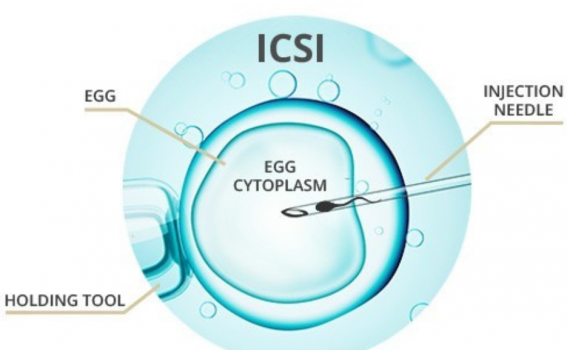
f) ICSI (Intracytoplasmic sperm injection): ICSI is a procedure which is mainly used to treat the male infertility factor where the fertility experts at Fertility Center Nepal will directly inject the single sperm into women each egg to facilitate fertilization and once the fertilization takes place the resulted embryo will be placed into the women uterus to achieve successful pregnancy.

g) Surrogacy: Surrogacy is a procedure which is used by those women who face difficulties in carrying a baby in their womb due to some medical illness with their uterus. In such cases, a surrogate mother is hired and she will carry the baby in her womb and hand-over the baby to his/her intended parents after the baby born. The surrogacy is of two types (i) gestational surrogacy and (ii) traditional surrogacy.

(i) Gestational surrogacy is a procedure where the eggs and the sperms of intended parents are fertilized together and the resulted embryo will be placed into the uterus of the surrogate mother. In this case, the surrogate is not the biological mother of the baby born as her eggs were not used for fertilization.

(ii) Traditional surrogacy is a procedure where the fertility expert will collect the eggs of donor or surrogate mother and fertilize them with the sperm of intended father to facilitate fertilization. Once the fertilization occurs the resulted embryo will be placed into the uterus of the surrogate mother.


common signs for women not being able to conceive a baby

What are the common Signs for Women not being able to Conceive a Baby?

The following are the common signs due to which women are unable to conceive a baby and these are:

a) Irregular Periods: When women begin with her menstruation having irregular periods can be normal. As it takes the body a while to get regulated. Once the women have passed her teenage years then her monthly cycles should be regular as irregular periods can be a red flag for infertility problems and may be a sign of an ovulation problem. There are several things that cause irregular periods. For e.g., polycystic ovarian syndrome (PCOS) is one of the most common causes due to which a woman has her irregular cycles and ovulation-related infertility. Other possible causes for irregular periods include primary ovarian insufficiency, low ovarian reserves, thyroid dysfunction, body weight, and excessive exercise.

b) The rate of Miscarriage: Infertility is a disorder of hormone which usually associated with the inability to get pregnant. However, a woman who had experienced recurrent miscarriages needs extra assistance in getting pregnant. Miscarriage is very common and it occurs in 15 to 20% of pregnancies, however, repeated miscarriage is not common. Only 1 to 2% of women will miscarry three pregnancies in a row. If you are a woman who had two successive miscarriages then you need to speak to your doctor.

c) Painful or heavy periods: It has been found that most of the women experience cramps during their periods, however, painful periods can interfere with your daily life and this can be a symptom of endometriosis.

d) No Periods: There are many women who do not have periods at all and the factors like stress or heavy workouts can cause your period to temporarily disappear. No having the regular periods is not good and affects your fertility it’s a time for you to get your fertility checked by experienced fertility experts.

e) Hormone Fluctuations: Hormone fluctuations in women indicate the potential issues with her fertility and women need to speak to their doctor if they experience the following:

  • Reduced sex drive
  • Skin issues
  • Facial hair growth
  • Weight gain
  • Thinning hair

f) Pain during sex: There are many women who have experienced painful sex throughout their lives and they convinced themselves it’s normal, however, it’s not. Painful sex can be related to hormone issues, to endometriosis, or to other underlying conditions that affect the women fertility and reduce her chances of getting pregnant.

g) Obesity: According to the study, obesity is the major factor which stops women to conceive a baby as if affects the growth of women eggs in her ovaries due to which she is unable to get pregnant. So, the fertility experts at Fertility Center Nepal advice the women to maintain their ideal body weight according to her body mass index (BMI) to achieve the successful outcome of the treatment.

What are the common signs for men infertility?

The following are the common signs due to which men fertility get affected and these are:

a) Hormonal imbalance: According to the study, the man’s fertility is linked with his hormone health. So, if there are any changes in his virility can often be governed by hormones and this could indicate issues with his fertility. Testosterone is a key hormone for male fertility, so if a male member facing an issue with the testes that produce this hormone may lead to infertility. Two hormones are the signal to the testes that make sperm and testosterone which is luteinizing hormone and follicle-stimulating hormone. The pituitary gland produces these hormones, so any problems that men face with this gland may also influence his infertility.

b) Pain or swelling in testicle: It has been found that there are several different conditions that could lead to pain or swelling in the men testicles and many of which could affect the fertility of men.

c) Problems with an erection: There are many male members who face difficulty in maintaining an erection which is often linked to his hormone levels. Reduced level of hormones may result in infertility and men faces challenges in conceiving.

d) Problems with ejaculation: According to the study, an inability to ejaculate is a sign that men’s fertility is getting affected and this is a high time they need to visit a doctor.

e) Small testicles: The tests are where the man’s sperm live so testicle health is paramount to male fertility. A small or firm testicle is an indication of infertility and men need to consult a medical practitioner or a fertility expert.

f) Obesity: Obesity is a factor which highly affects the men fertility as it affects the production of sperms in testicles due to which it is not able to fertilize with women eggs. So, the fertility experts at Fertility Center Nepal advice the male members to maintain their ideal body weight when they plan to have a baby.

g) Other risk factors: Other risk factors which affect the fertility of both men and women are:

  • Consumption of alcohol
  • Age of men and women
  • Smoking
  • Poor diet
  • Stress
  • History of sexually transmitted infections

When to See a Doctor?

The person who experiencing signs and symptoms of infertility and trying to conceive a baby for more than 12 months without any protection and unable to conceive a baby need to speak to the doctor. Also, the couples who have reached at the age of 35 years need to speak to the fertility expert if they are unable to make the conception happen naturally. At Fertility Center Nepal we have a highly qualified and skilled professional with more than 30 years of experience who diagnose each individual and then suggest the treatment which helps them in conceiving a baby.

Sometimes you can just make some simple ways to make your lifestyle adjustments to improve your fertility, while other underlying causes may require treatment.

Even after your infertility has been diagnosed, there are still many ways to conceive a baby that you can discuss with their doctor.


infertility treatment Nepal

Is Infertility is a Disease?

No, infertility is not a disease it is only a disorder of hormones due to which many women are unable to conceive a baby after having regular unprotected intercourse without using any birth control pills for more than 12 months. Infertility is a cause which affects the man or the woman or both. Infertility may also refer to the state of a woman who is unable to carry a pregnancy to full term. Fertility Center Nepal is a medical tourism company which has tie-ups with various fertility hospitals and this disorder of hormones can be treated and couples can conceive their own baby.

What are the Treatments Available at Fertility Center Nepal to Treat Female Infertility?

The following are some common fertility treatments available at Fertility Center Nepal to treat infertility in women and these are:

a) IVF: IVF is the most common fertility treatment in which the fertility experts at Fertility Center Nepal will collect the eggs from women ovaries and mix them together with the sperm of her husband to facilitate fertilization. Once the fertilization takes place the embryologist will transfer the best embryo into the women uterus and wait for the pregnancy to occur.

b) IVF with egg donor: This is also the most common IVF procedure where the fertility experts at Fertility Center Nepal will borrow the eggs from the women who are under the age group of 28 years and fertilize the donor eggs with the sperms of the intended father to facilitate fertilization. This procedure is fruitful for those women who are unable to produce the good quality of eggs for fertilization. With the help of IVF with an egg donor, an advanced procedure, many women are able to conceive their baby as the fertilized eggs of the donor will be kept in the womb of the intended mother and the fertility expert will continue to monitor the growth and the development of the fetus.

c) Surrogacy: Surrogacy is an advanced procedure and the last option if all other procedure failed to give a successful outcome. This procedure is useful for those women who are not able to carry a baby in their own womb due to some medical problems and they need extra assistance in conceiving. For such conditions, the Fertility Center Nepal has a large database of surrogate mothers who can carry the baby in her womb for nine months and hand-over the baby to his/her intended parents. The couples can hire the surrogate mother from our agency or they can bring their own surrogate who can be their friend or relative and she is willingly ready to carry a baby for the full term.

The surrogacy procedure is of two types: (i) Gestational surrogacy and (ii) traditional surrogacy.

  • Gestational Surrogacy: Gestational surrogacy is a procedure where the fertility expert will collect the women eggs and sperms of the intended father which they will fertilize together by using an IVF procedure. After that, the resulted embryo will be placed into the uterus of the surrogate mother and she will carry the baby in her womb for nine months. This is a procedure where the couple will have their own biological child as their eggs and sperms are used for fertilization.
  • Traditional Surrogacy: Traditional surrogacy is a procedure where the fertility expert will use the eggs or egg donor or surrogate mother and will artificially fertilize them with the sperm of the intended father or donor sperm to facilitate fertilization. Once the fertilization takes place the embryologist will transfer the resulted embryo into the uterus of the traditional surrogate mother and she will carry the baby in her womb until the baby birth. In this procedure, you will not be the biological mother of the baby born as your eggs are not used for fertilization.

What are the treatments available at Fertility Center Nepal to treat male infertility?

The following are some common treatments are available at Fertility Center Nepal to treat infertility in male members and these are:

a) Hormone treatment and medications: To treat the male member infertility, the fertility experts at Fertility Center Nepal first recommend the hormone replacement before they suggest any surgical option. The hormone replacement is the best fertility treatment which is used to male infertility factor that has been caused by the high or low levels of hormones.

b) Gamete Intra-Fallopian Transfer (GIFT): This procedure is similar to IVF where the fertilization will naturally occur and the fertility experts at Fertility Center Nepal will directly place the best-chosen sperm inside the women fallopian tubes to achieve the successful outcome of the procedure.

c) Assisted reproductive technology (ART): ART is a procedure where the fertility expert will surgically extract the male member sperm or donor sperm and directly inject the most active single healthy sperm into each egg of the women by performing in vitro fertilization (IVF) procedure or Intracytoplasmic sperm injection (ICSI) procedures which help the couples in conceiving a baby.

d) Surgery: The fertility experts at Fertility Center Nepal recommend the surgery as the last option when all other non-surgical male infertility treatments are failed to give the successful outcome. In such cases, the fertility experts will suggest the male member to undergo for the surgery where the fertility expert will extract the sperms of male member by using the thin fine needle from the Testicle which is known as Testicular Sperm Aspiration (TESA) or Epididymis which is known as percutaneous epididymal sperm aspiration (PESA), however, still the fertility experts are failed to retrieve enough sperms for fertilization then they opt for the highly advanced technique which is testicular sperm extraction TESE.

Once the fertility experts are able to retrieve enough sperms they mix them with the women egg to form an embryo and they will monitor the growth of an embryo in women ovaries using ultrasound scan. The day embryo formed the skilled and highly trained embryologist will implant the best-selected embryo into the women uterus and then wait for the signs and symptoms of pregnancy which will be conducted after two weeks of embryo transfer. Once the successful pregnancy occurs the women will be hand-over to her gynecologist.


What is Endometriosis

Endometriosis: Chapter and Verse Minutia From Beginning to End

What is Endometriosis; is there any best way to get rid of this disorder, what are the symptoms of endometriosis, its complications, diagnosis and its stages- these are several things, which you need to know about endometriosis. Let’s discuss all the points one by one in order to get the essential information about endometriosis.

What is Endometriosis?

Endometriosis is that case, where a female’s endometrium grows outside the uterus, or we can say the tissue that makes up the lining of the uterine wall grows outside the female’s uterus and thus it causes pain.

Endometriosis is generally found to be in female’s lower abdomen, ovaries, fallopian tubes, this tissue sometimes may spread beyond pelvic organs. Women who face with endometriosis, often suffer from lower abdominal pain, she may feel pain during sexual intercourse and pain during the menstruation cycle. Endometriosis largest disorder is infertility; Yes! due to a severe level of endometriosis issue, the female won’t be able to give birth with the help of her partner. The couple has to settle on some of the fertility treatment to get pregnant. On the other hand, some of the women with endometriosis disorder may not have any symptoms at all. Fertility Centre Nepal offers the best medication of Endometriosis in marked down and affordable cost all over the world.

Endometriosis symptoms –

  • One of the common symptoms of endometriosis is pelvic pain.
  • Women with endometriosis suffer pain during menstruation cycle (dysmenorrhea)
  • A female may face infertility issue
  • Heavy menstrual bleeding
  • Pain in the lower abdomen
  • A female experiences cramps one or two weeks around menstruation
  • Discomfiture with the bowel movement

The stages of Endometriosis –

  1. Minimal
  2. Mild
  3. Moderate
  4. Severe

These are four stages of Endometriosis, on the basis of the level of endometriosis issue; one can find its exact solution. In the first level of endometriosis, there are small wounds or lesions endometrial implants on the ovary and also inflammation around the pelvic cavity.

Mild endometriosis involves shallow endometrial implants on an ovary and the pelvic lining too. In the stage of moderate endometriosis, these occurrence starts taking place deeply on the female’s ovary & pelvic lining, more lesions, and wounds.

During the severe endometriosis level, there are more lesions on the fallopian tubes, deep and extreme endometriosis implants on the pelvic lining and ovaries.

What happens during Endometriosis disorder?

As discussed above, Endometriosis is a disorder, where the inner lining of the uterus starts developing outside the uterus that may be on the female’s ovaries, fallopian tubes, and pelvic cavity. This inner lining of the uterus is known as the endometrium.

It sometimes can spread beyond the female’s pelvic region (it is quite rare but found in some of the women). The tissue that starts growing outside of the female’s uterus is known as an endometrial implant. The disorder of endometriosis occurs when the tissue lining of the uterus (endometrium) starts spreading on the tissue lining of the pelvis, ovaries and the bowel.

Tissue that grows outside of the uterus, they continuously act as it normally would- this tissue becomes thick, gradually it breaks down and then it bleeds with the female’s menstrual cycle. This displaced tissue becomes trapped and has no way to exit from the body.

Tissue that has developed near the ovaries is termed as endometriomas. These all the displaced tissue (if not treated earlier) slowly and gradually causes irritation to the female, eventually form the scar tissue and adhesions that may affect pelvic tissue and other organs to stick with each other. The tissue that has trapped in the female’s pelvis and has no way to exit from the body, can cause –

  • Irritation
  • Adhesions
  • Fertility-related problem
  • Extreme pain during menstruation
  • Formation of the scars

Is there any specific cause of Endometriosis –?

Although the exact cause of this disorder is not proven yet or not certain, possible explanations by the researchers are given below –

  • Retrograde Menstruation – this happens when the female’s menstrual blood starts flowing back through the fallopian tubes into the pelvic cavity instead of making exit from the vagina.
  • Some of the cells in the body outside of the female’s uterus may change to become similar kind of cells, which lines the uterus
  • Surgical scar implantation
  • Immune system disorder
  • Endometrial cell transport

How Endometriosis is associated with fertility related problems?

Approximately one-third of the women with endometriosis have trouble with infertility and struggling phase to get pregnant. Between 20-30% of the cases of female infertility will have the disorder of endometriosis and this is the reason why they struggle with their childbearing phase. Endometriosis seems to affect fertility in given points-

  • Inflammation and irritation caused by the endometriosis disorder
  • Inflammation of fimbria (that picks up the female’s egg and reaches it into the fallopian tube) may result in the egg not arrive at the exact destination.
  • Inflammation caused by the endometriosis disorder also damages the sperm and the egg.
  • Endometriosis, at some case, also blocks the fallopian tubes resulting infertility
  • Scarring of the ovaries and the tubes also results in fertility related issue

How Endometriosis is best treated?

  • By Pain medication (to ease painful menstruation, the medication may involve – Nonsteroidal anti-inflammatory drugs (NSAIDs), Advil, Motrin IB, Naproxen sodium etc. It may happen that the female won’t get full relief then she can talk to her doctor and approach for another treatment.
  • Surgery – Surgery is used to remove the endometriosis lesions, also used to get rid of the scar tissue in order to locate the ovaries and the tubes back to their normal place.
  • Hormone therapy
  • Hysterectomy with the removal of ovaries
  • If you are facing infertility due to endometriosis then you have to meet up with the fertility expert, they will recommend the treatment once after knowing the stage of endometriosis. Usually, IUI, IVF etc. is done to get to the bottom of this disorder.


GET A QUOTE

    Attach Files


    We Provides Smile Over Faces

    Treatments

    Contact Us

      Attach Files